Nigeria raises its alert level to maximum in response to Ebola.
Nigeria takes decisive action to combat Ebola
Written by Mohamed Ragab
Nigerian health authorities have raised the alert level to the highest degree in response to the Ebola virus, following the outbreak of the deadly Bundibugyo strain in several East and Central African countries, amid growing fears that the infection could spread to Africa’s most populous nation through travel and border crossings.
The Nigeria Centre for Disease Control and Prevention (NCDC) has activated emergency health surveillance in the federal capital Abuja and nine other states, including Lagos, Rivers, Kano, Enugu, Borno, Akwa Ibom, Cross River, Taraba and Adamawa, due to the high volume of human movement and the presence of active airports, ports and border crossings that may contribute to the transmission of the virus.
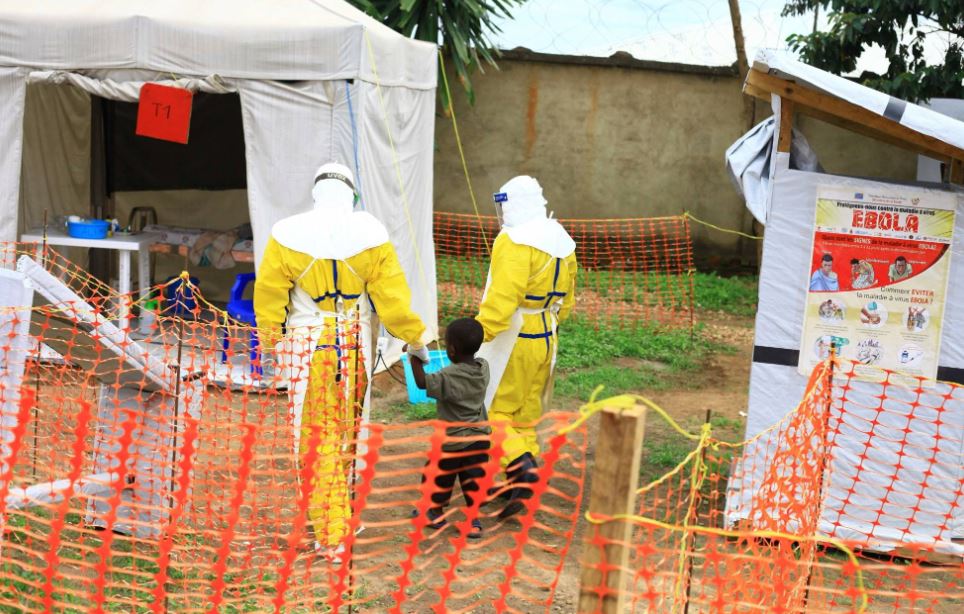
The center explained, in an urgent health warning issued on May 27, 2026, that Nigeria faces a “high risk” of potentially importing the virus due to the increasing number of cases in the region, in addition to weak control over some land borders and the continuation of international travel.
Spread of the Bundibugyo strain
These developments come at a time when the spread of the Bundibugyo strain is causing widespread concern among international health organizations, especially since it differs from the more common Zaire strain, which is the target of current vaccines and treatments.
To date, there is no approved vaccine or treatment specifically for this new strain, further complicating containment and control efforts.
Discovery of any suspected case
The Nigerian center stressed that the primary objective of the current emergency plan is to ensure that all states and the federal capital are able to quickly detect and contain any suspected cases before they become a widespread outbreak, while protecting health workers and ensuring the continuity of essential medical services.
Although no confirmed cases have been recorded inside Nigeria so far, health authorities stressed that the chances of the virus spreading to the country remain very high, especially with more than 1,077 suspected cases and 247 deaths recorded in Uganda and the Democratic Republic of Congo, with a mortality rate of about 24.6%.
The health report also noted suspected cases in India, while Canada imposed temporary restrictions on some travelers arriving from Uganda, the Democratic Republic of Congo and South Sudan, while Uganda strengthened its border measures to prevent the spread of the disease.
Health authorities have warned that the symptoms of Ebola in its early stages may resemble those of common diseases such as malaria or Lassa fever, which could lead to delays in detecting infected cases.
Therefore, doctors and health workers were urged not to wait for bleeding to appear as a primary sign before suspecting infection, especially in people coming from infected areas or who have been in contact with possible infected people.
As part of the emergency preparations, the Nigerian center announced the activation of the National Emergency Operations Center in “alert” mode, with the aim of coordinating response efforts across the country. State governments were also directed to prepare isolation centers, strengthen surveillance at border crossings, provide protective equipment for medical staff, and launch awareness campaigns to prevent the spread of rumors and misinformation.
No cases of infection were recorded.
For its part, the Lagos State government confirmed that no cases of infection or suspected cases have been recorded so far, noting that the state remains on high alert given its status as Nigeria's main international gateway. Health Commissioner Professor Akin Abayomi stated that Lagos' biosecurity infrastructure, developed following the 2014 Ebola crisis and the COVID-19 pandemic, is capable of responding swiftly to any potential health threat.
The declaration of a health emergency brought to mind Nigeria’s success in containing the Ebola outbreak in 2014, after the virus entered Lagos via Liberian-American traveler Patrick Sawyer. At that time, authorities were able to control the crisis thanks to rapid isolation, contact tracing, and effective health coordination, in an experience described by the World Health Organization as one of the most successful Ebola containment operations in Africa.
As concerns about the new strain escalate, authorities have urged citizens to adhere to preventive measures, avoid spreading rumors or fake remedies, and report any suspected symptoms early, while Nigeria continues to strengthen its health surveillance systems in anticipation of any emergency.