Shipping companies resume Suez Canal transit following reduced Middle East tension
Ahmed Salem
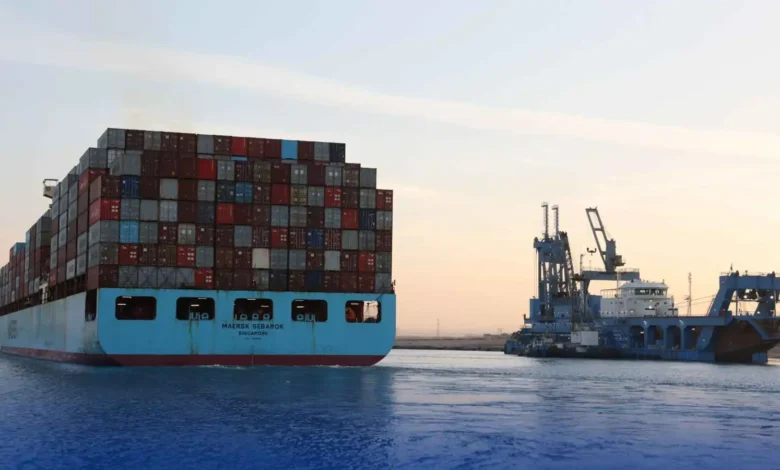
Major shipping vessels have begun returning to the Suez Canal, opting against rerouting ships around the Cape of Good Hope in Africa.
The global shift away from the Red Sea and the Bab el-Mandeb strait began in November 2023, when Yemeni Houthis launched attacks on ships linked to Israel.
In the years since, thousands of container ships have taken the longer route around the southern tip of Africa, adding nearly 1,000 kilometers and up to two weeks to their journeys.
This conversion led to a significant increase in shipping costs and raised overall shipping expenses.
Now, with signs of de-escalation of tensions in the Middle East, major airlines say that some services will resume the Red Sea route.
Suez Canal: Resumption of voyages along the route
In a statement, Danish shipping giant AP Moller Maersk said it would reroute its AE15 service – one of the joint services under its Gemini cooperation with Hapag-Lloyd – via the Suez Canal, abandoning the route around the Cape of Good Hope.
Gemini Cooperation is a shipping network jointly operated by Maersk and Hapag-Lloyd. The AE15 service connects Asia, the Mediterranean Sea, and Europe.
According to a spokesperson for Hapag-Lloyd, this adjustment is expected to reduce the total journey time by up to four weeks.
Maersk said the decision to resume transit operations through the Suez Canal came after a “comprehensive assessment of the security situation in the Red Sea region,” adding that it represents “a step towards a gradual return to the Suez Canal route.".
The two companies have contingency plans that allow for quick adjustments in case the security situation in the Red Sea deteriorates.
However, neither intends to change the remaining services for the Gemini network at this time, and both confirmed they will closely monitor developments in the Middle East. They explained that any future adjustments would depend on the stability of the Red Sea and the non-escalation of regional conflicts.
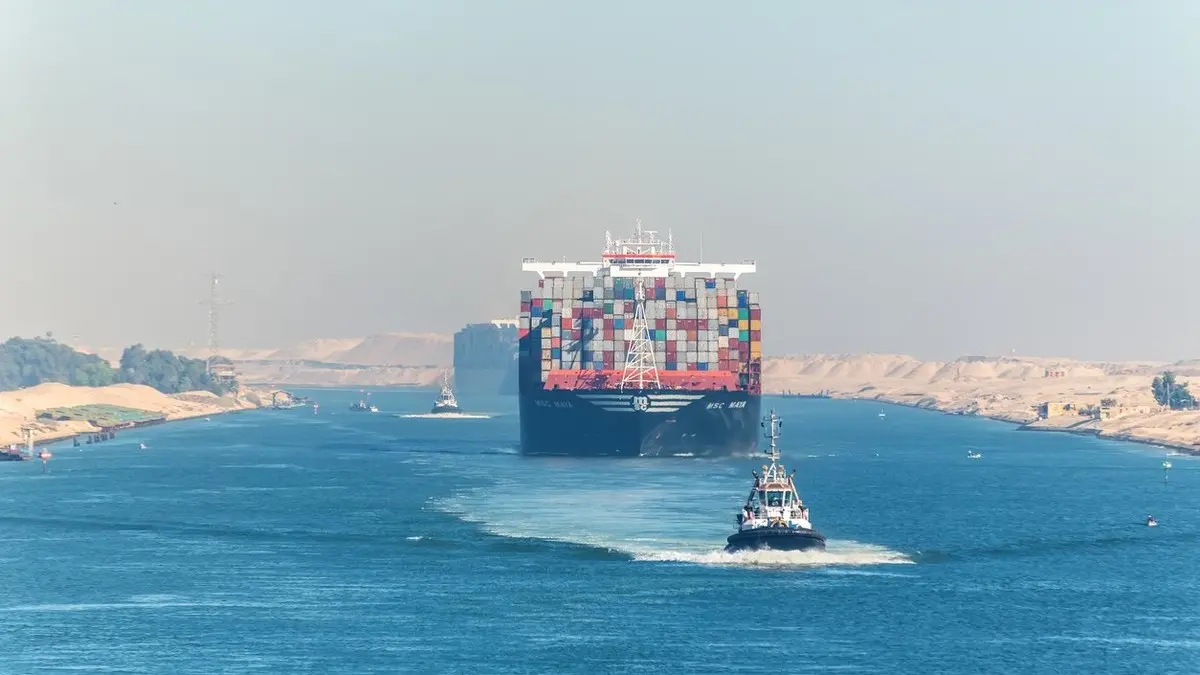
Before the crisis, the Suez Canal handled an estimated ten percent of global maritime trade.