Written by: Mohammed Omran
The Egyptian Agency for Partnership for Development sent a shipment of relief aid to the Republic MozambiqueThis is to support those affected by the floods and torrents that swept through a number of regions recently, resulting in widespread human and material damage.
Mozambican praise for Egyptian support and strengthening of bilateral relations
This came as part of supporting humanitarian response efforts in the African continent.
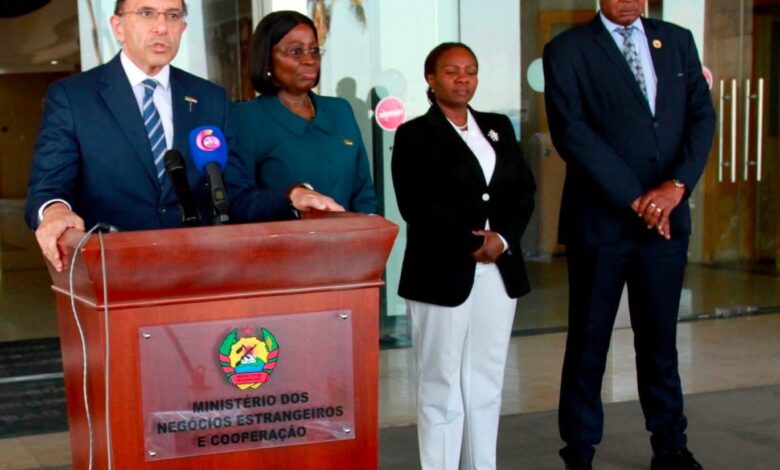
Ambassador Mohamed Farghal, Ambassador of the Arab Republic of Egypt in Maputo, officially handed over the aid shipment to the Mozambican Minister of Foreign Affairs and the Director of the National Disaster Risk Management Agency (INGD).
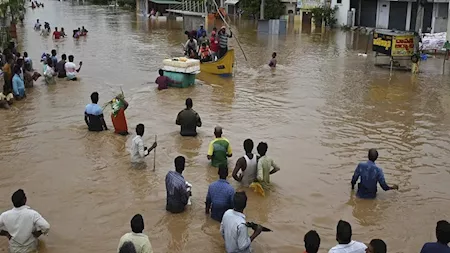
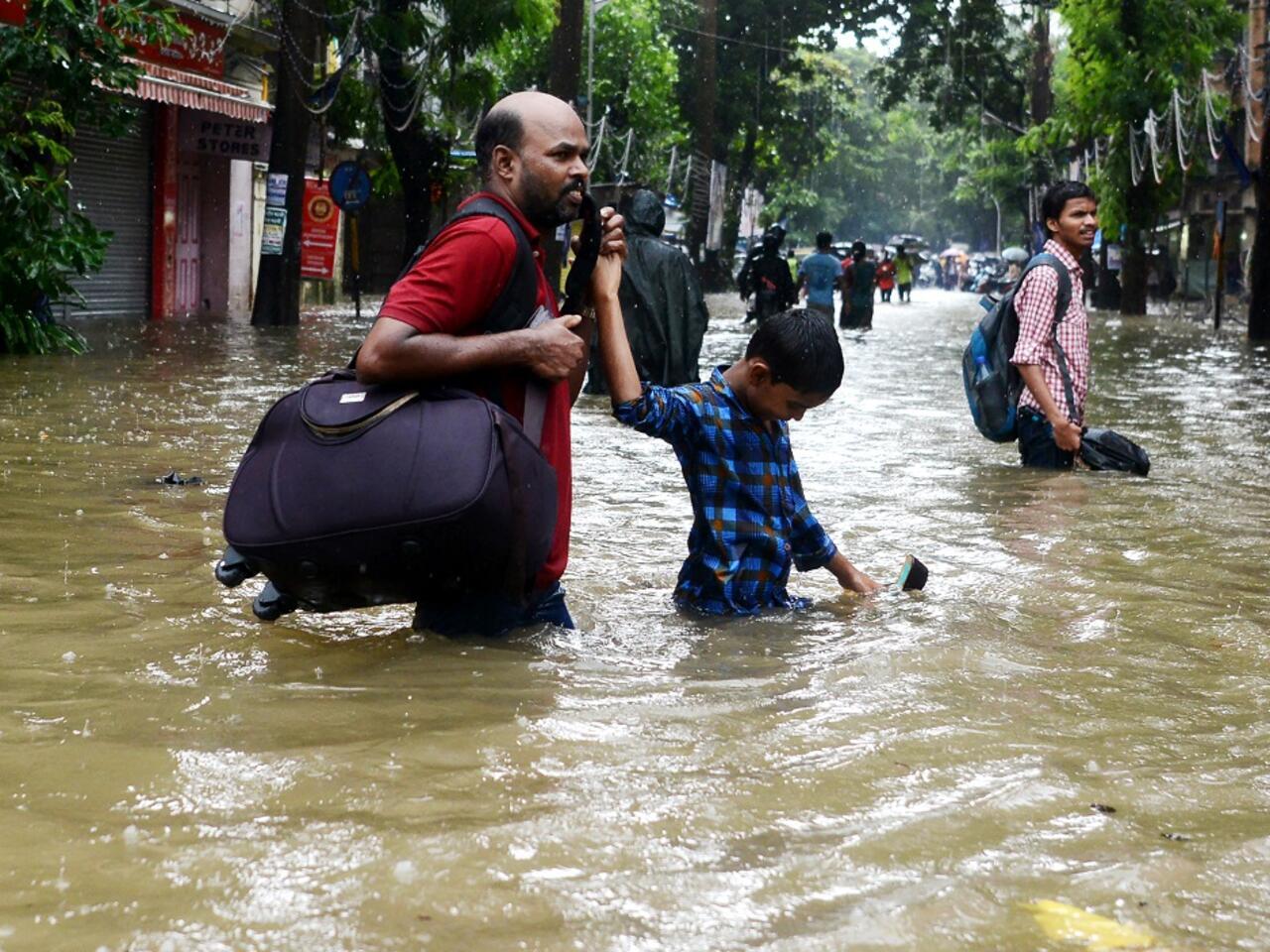
Floods damage seven cities and cause displacement in Mozambique
This step was widely appreciated officially and popularly by the sisterly State of Mozambique, as both sides affirmed that this support represents a fundamental pillar for strengthening and deepening the fraternal and historical ties between the two sisterly countries.
This step comes in light of the Egyptian state's keenness to strengthen mechanisms of solidarity and cooperation with sister African countries, especially during times of natural disasters and crises. The floods have caused the displacement of a number of residents, in addition to directly affecting seven cities and damaging infrastructure and basic services. The aid shipment includes quantities of medical supplies and basic foodstuffs, as part of supporting humanitarian relief efforts and alleviating the harsh living conditions faced by families affected by the disaster.
The Egyptian Agency for Partnership for Development affirmed that this initiative reflects Egypt's unwavering commitment to supporting its African brothers and sisters and consolidating the principles of cooperation and humanitarian solidarity, thereby contributing to strengthening the resilience of affected communities in the face of natural disasters and restoring stability. The Agency also expressed its full solidarity with the government and people of Mozambique, wishing the affected areas a swift recovery and a return to normalcy as soon as possible.