Zimbabwe enters the era of advanced brain surgery with its first two successful operations.
First successful brain and spinal cord stimulation procedures
Written by: Mohammed Omran
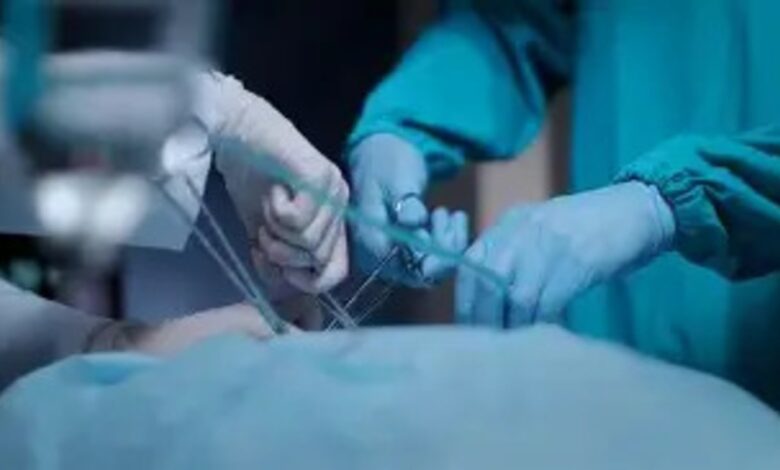
In an unprecedented medical move reflecting the rapid development in the African health sector, it succeeded Zimbabwe In performing the first deep brain stimulation and spinal cord stimulation operations within its territory, this represents a qualitative leap in the treatment of complex neurological diseases that previously required patients to travel abroad at exorbitant costs.
This achievement is seen as a milestone that places the country among a limited elite of African nations capable of providing advanced technologies to modify neural activity and improve the quality of life of patients.
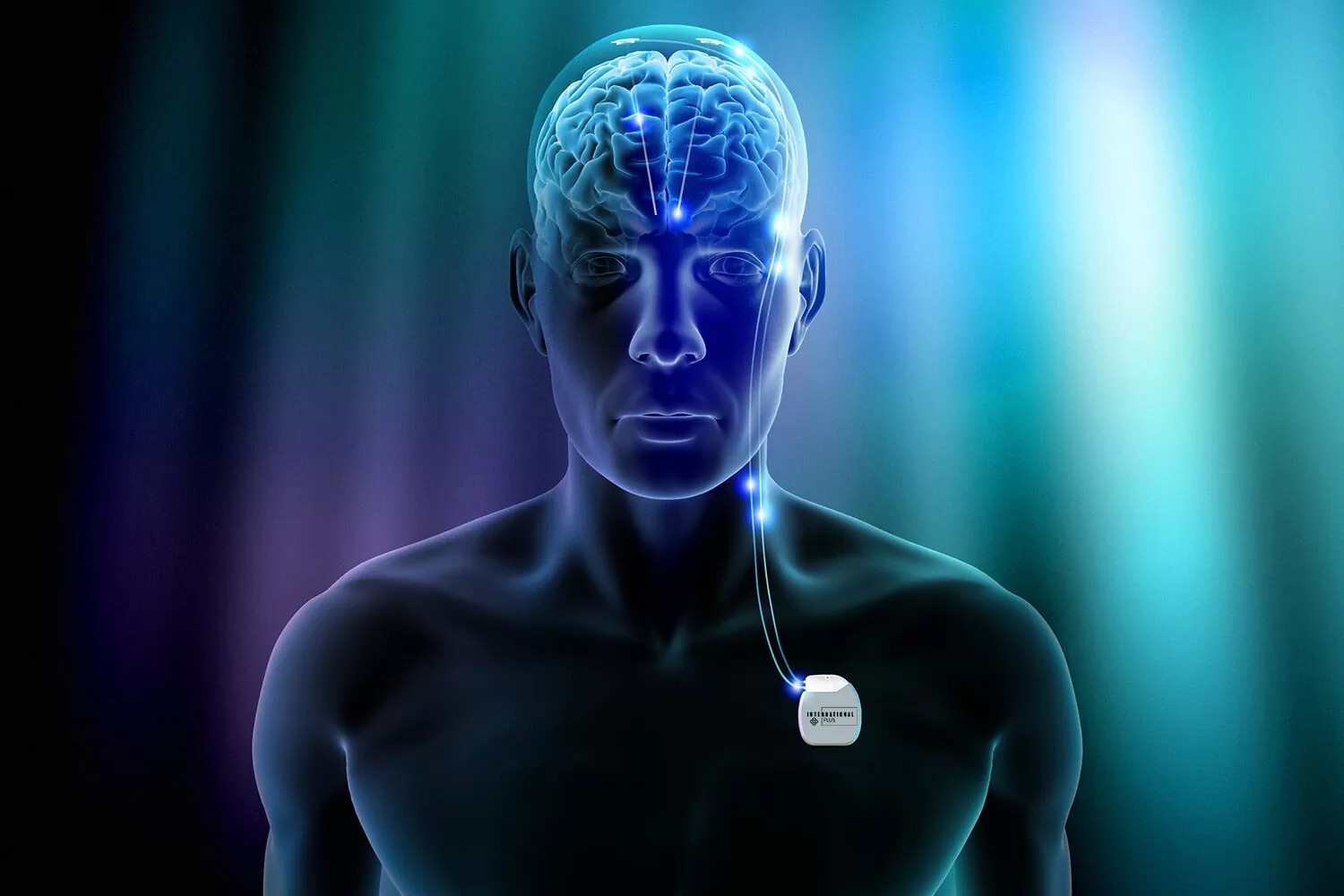
Zimbabwean doctors have successfully performed the country's first deep brain stimulation (DBS) and spinal cord stimulation (SCS) surgery, marking a major step forward in the treatment of complex neurological disorders.
First brain and spinal cord stimulation procedures
The two operations were performed on May 28 and 29, led by Zimbabwean neurosurgeon Nathaniel Zimani with technical support from a visiting Chinese medical team. Both patients remain in stable condition following post-operative follow-up.
Deep brain stimulation (DBS) and spinal cord stimulation (SCS) are specialized procedures used to treat neurological and psychiatric conditions that are often drug-resistant, including Parkinson's disease, dystonia, drug-resistant epilepsy, chronic pain, and some post-stroke complications.

Deep brain stimulation involves implanting electrodes in specific areas of the brain to regulate abnormal neural activity, while spinal cord stimulation uses electrical pulses delivered to the spinal cord to relieve severe and persistent pain.
Until now, Zimbabwean patients needing such interventions have had to travel abroad, usually at a high cost.
Chen Yanliang, chief surgeon from Xiangtan Central Hospital in China who assisted in the operations, said the procedures “filled a technological gap” and represented a major leap forward in local neurosurgical capability.
This achievement places Zimbabwe among a small number of African countries capable of providing advanced neuromodulation therapies.

These operations also represented the first official deployment in Africa of neuromodulation technology developed by China’s Tsinghua University and marketed by Beijing Pens Medical.
This equipment, which meets international standards but is less expensive than similar Western systems, is expected to improve access to advanced neurological care in low- and middle-income countries.