A climate disaster threatens 1.8 million people in Mozambique... FAO appeals for help
Floods destroy crops and agricultural infrastructure in the country
Written by: Mohammed Omran
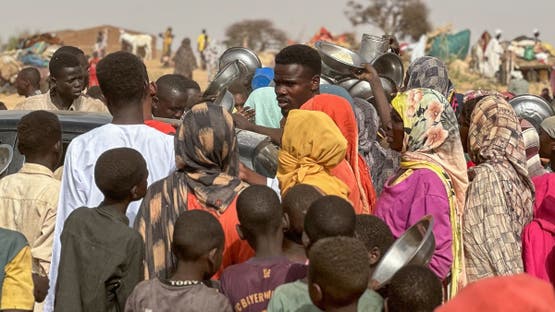
Witnesses Mozambique A growing food security crisis has emerged following severe flooding that recently hit the country, causing widespread losses to crops, livestock and agricultural infrastructure, and threatening the livelihoods of hundreds of thousands of residents in the worst-affected areas.
International support is needed to save 1.8 million people affected.
In light of these repercussions, the Food and Agriculture Organization (FAO) launched an urgent appeal to raise new funds to support recovery plans and mitigate the effects of the disaster, warning that the crisis could continue for years if urgent and effective intervention does not occur.
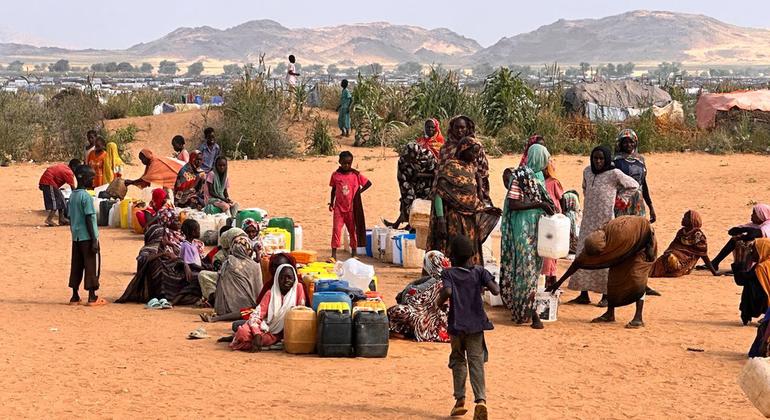
Floods destroy crops and agricultural infrastructure in the country
The Food and Agriculture Organization (FAO) appealed for US$107.66 million to support some 1.8 million people in Mozambique who are expected to be affected by climate-related flooding through 2031, warning that the disaster could continue to undermine food security and recovery efforts for years.
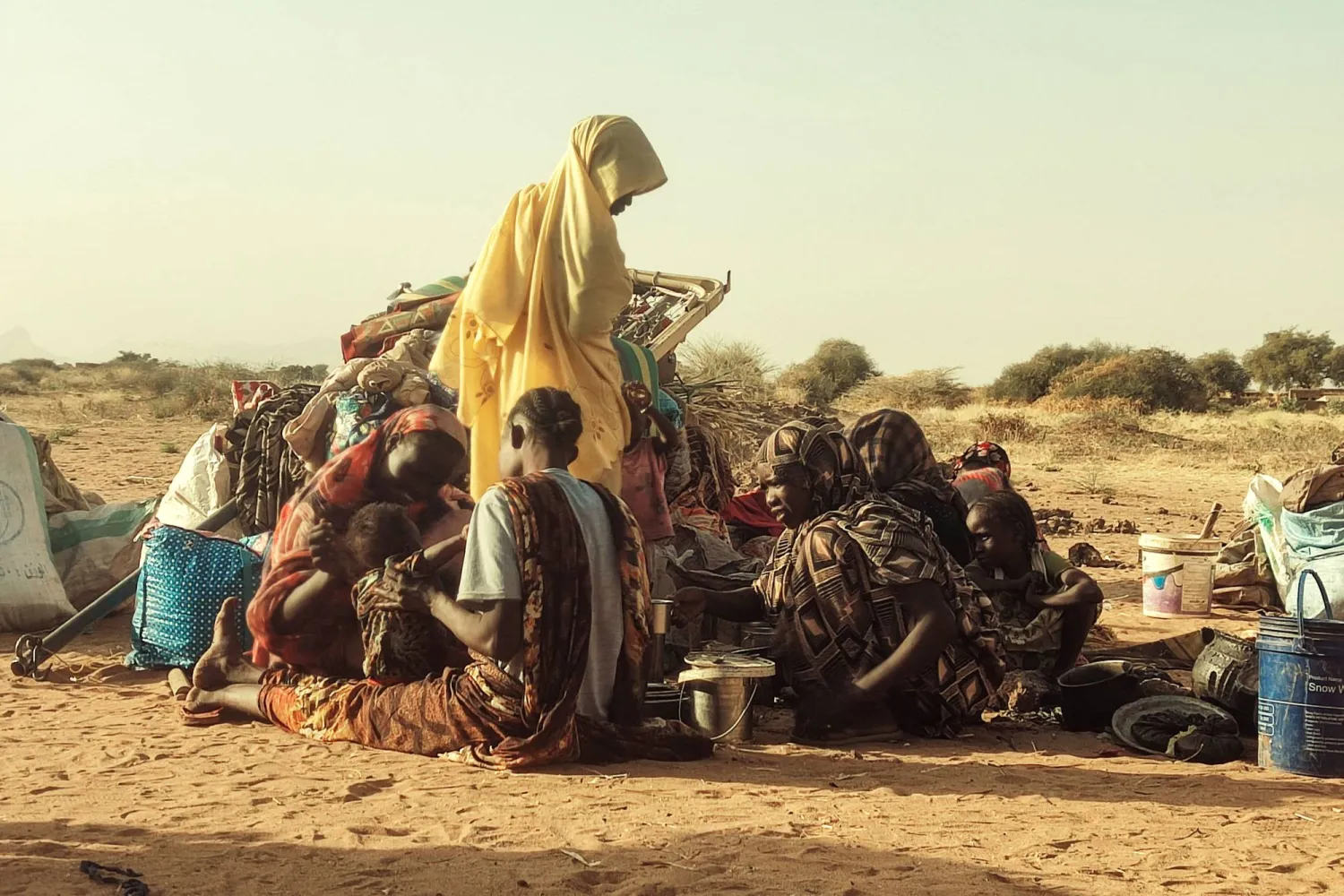
The Food and Agriculture Organization (FAO) said in its Mozambique Flood Recovery Plan 2026-2031 that severe flooding hit the country earlier this year and significantly disrupted agricultural food systems, damaging crops, livestock, fisheries and vital agricultural infrastructure in some of the most productive areas.
A climate crisis threatens livelihoods for years to come.
It stated that the crisis affected more than 724,000 people and damaged approximately 440,000 hectares, with total damages and losses estimated at approximately 30.4 billion Metical (about US$486 million).
The Food and Agriculture Organization explained that agriculture accounts for nearly 73 percent of the total losses, which increases the impact on rural livelihoods and long-term food security.
She noted that the FAO's plan focuses on the most affected governorates. She stated that Gaza and Maputo experienced the highest concentration of damage, with many rural families losing productive assets that support their livelihoods beyond the immediate planting season.
Support is also being directed to other affected areas, including Sofala, Inhambane, Manika, Tete, and Nampula districts.
In response, the Food and Agriculture Organization said it is coordinating between short-term emergency aid and long-term recovery and resilience measures through complementary initiatives.
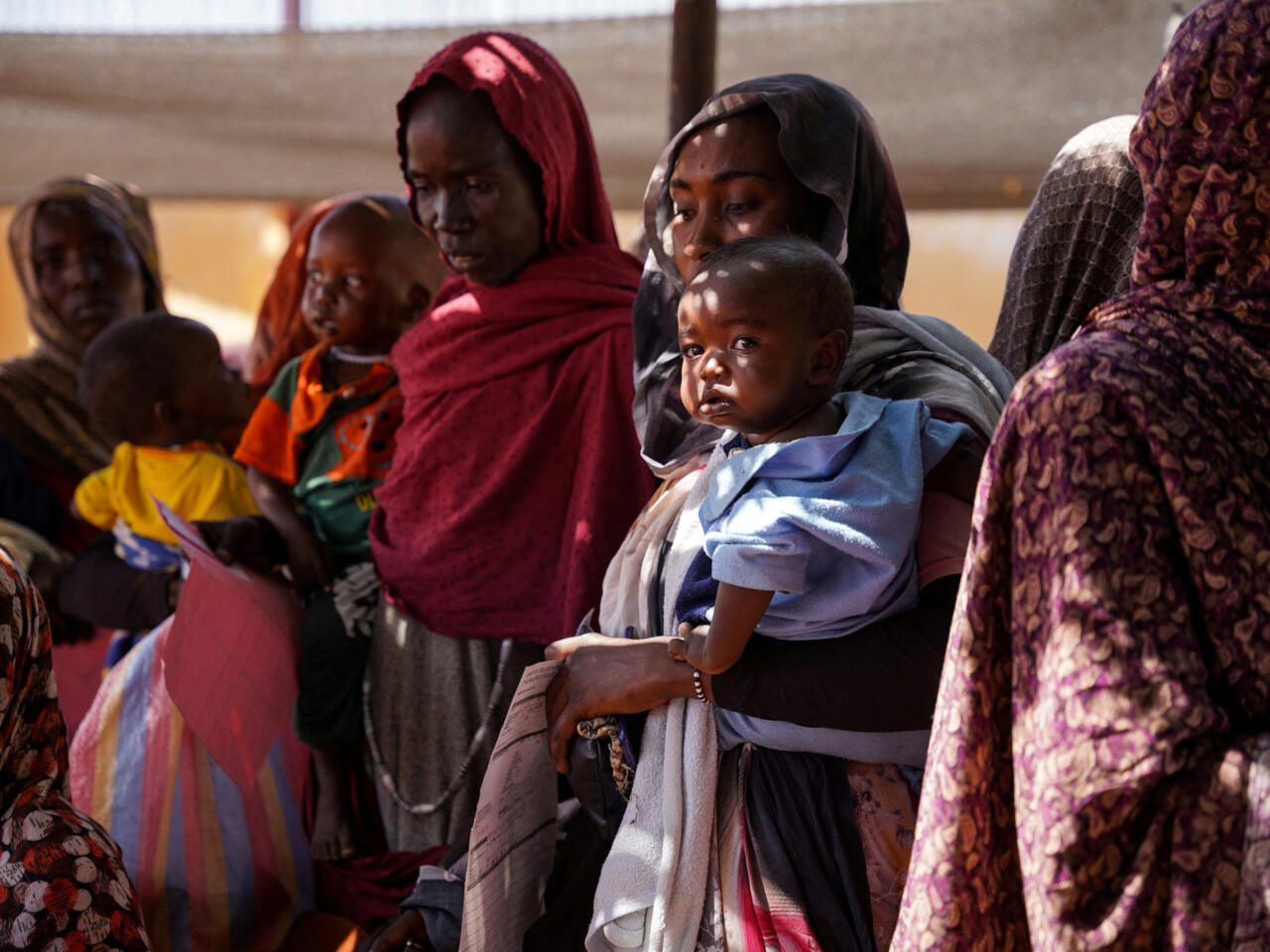
The Food and Agriculture Organization (FAO) confirmed that it is requesting US$79 million over three years under Mozambique’s Emergency and Resilience Plan for 2026-2028, including US$38 million to assist 1.3 million people in 2026.
The “Mozambique: Floods – Urgent Appeal for Aid” initiative was also launched as an addendum to meet immediate post-disaster needs, seeking to raise US$27.9 million to support approximately 620,000 people through June 2026.
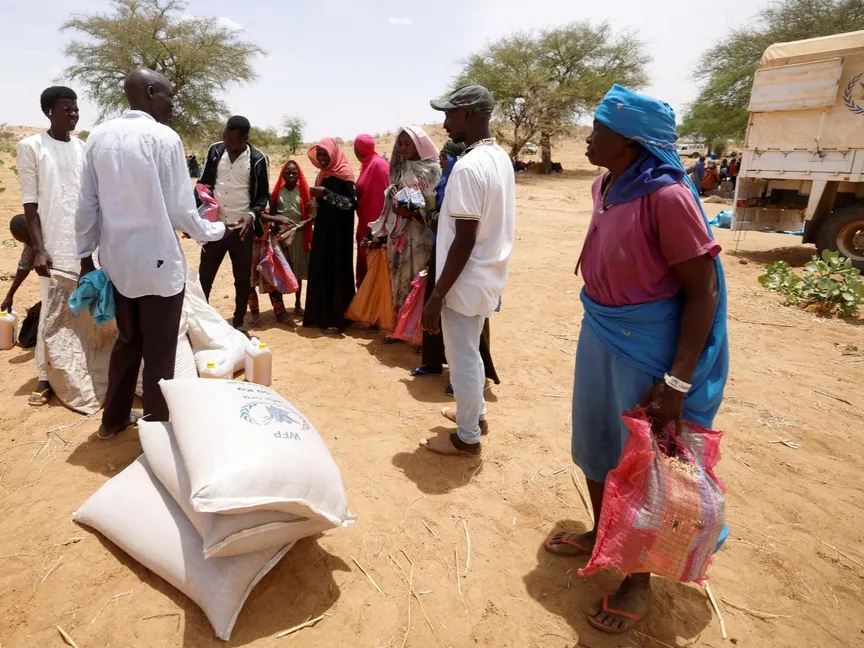
She noted that the five-year flood recovery plan was developed as part of Mozambique’s post-disaster needs assessment, a government-led, multi-sectoral mechanism that aims to align long-term recovery goals with reconstruction and resilience strategies.