Mali under scrutiny: Widespread security sweeps and deployments
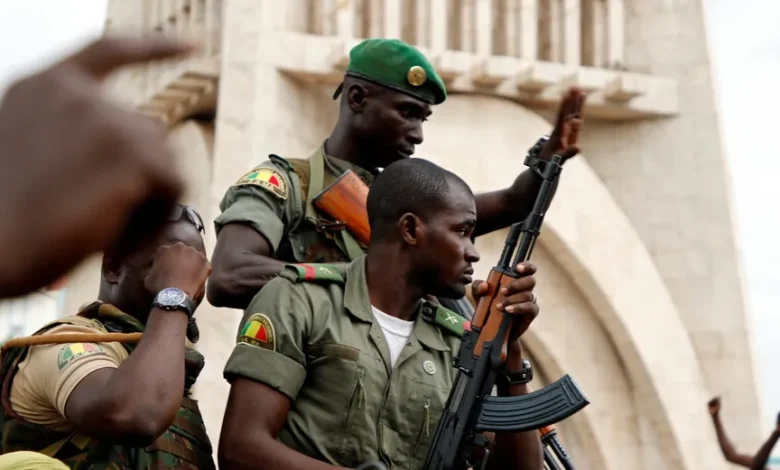
Additional military units in the streets
Written by Omnia Hassan
Witnessed financialOn Saturday, serious security developments occurred after a series of coordinated attacks targeted the capital, Bamako, and a number of vital areas, in an escalation that is considered one of the most widespread in recent months.
The government announced FinanceIn an official statement, it was reported that the attack resulted in 16 people being injured and receiving treatment in hospitals, in addition to material losses in some facilities and properties, confirming that the situation is now under control after the intervention of the security forces.
Extensive security sweeps and deployment
According to official data, the attacks targeted strategic locations, including military points and vital facilities within and around the capital, prompting the army to carry out extensive search operations for the elements involved.
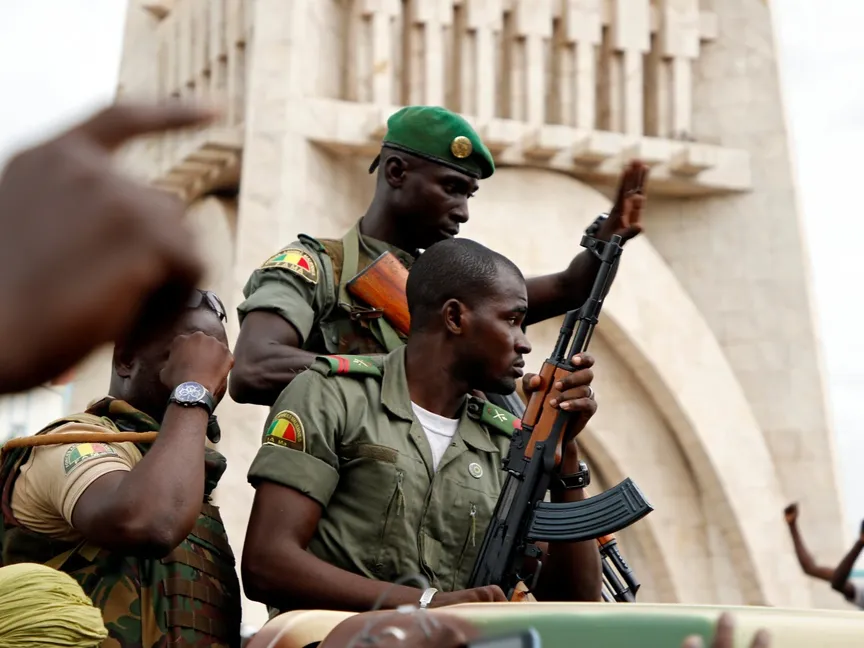
Additional military units were deployed in the main streets and vital entrances, with checkpoints reinforced and security readiness raised, in an effort to prevent any new attempts to destabilize the country.
A 72-hour night curfew was imposed
As a precautionary measure, the financial authorities announced a night curfew starting from 9 pm until 6 am, for a period of 72 hours that can be renewed depending on developments on the ground.
The decision aims to facilitate the movement of security forces, control the situation within the capital, and limit any suspicious movements that might exploit the state of tension.
Accumulating security challenges are putting pressure on the state.
These events reflect the scale of the complex security challenges Mali has faced for years, amid the activity of armed groups seeking to expand their influence by exploiting the fragility of some inland regions. While the country has witnessed sporadic attacks in the north and center in recent times, the events in Bamako carry different implications as they targeted the heart of the capital and its vital centers.
Between immediate control and open-ended questions
Despite the government's assertion that the situation is under control, observers believe that these developments open the door to broader questions about the future of security and political stability in the country. The recent escalation may force the authorities to review their security plans and strengthen internal coordination to confront growing threats, especially with increasing regional and international pressures related to the security situation in the African Sahel.
Mali faces a new test of its ability to quickly contain crises and prevent the recent attacks from turning into a wider wave of unrest that threatens the stability of the capital and other cities.