Rwanda tightens border controls with Congo under the weight of Ebola
Rwanda closes borders due to Ebola
Written by: Mohamed Ragab
Rwandan authorities have tightened measures along the border with the Democratic Republic of Congo in an effort to counter the worsening Ebola epidemic caused by the rare and virulent Bundibugyo strain, for which there is currently no vaccine or specific treatment.
Official health sources reported that at least 131 people have died from the virus in eastern Congo, with 531 suspected cases of infection, prompting the World Health Organization (WHO) to declare an international public health emergency for fear of the epidemic spreading to neighboring countries.
Temperature checks for all travelers
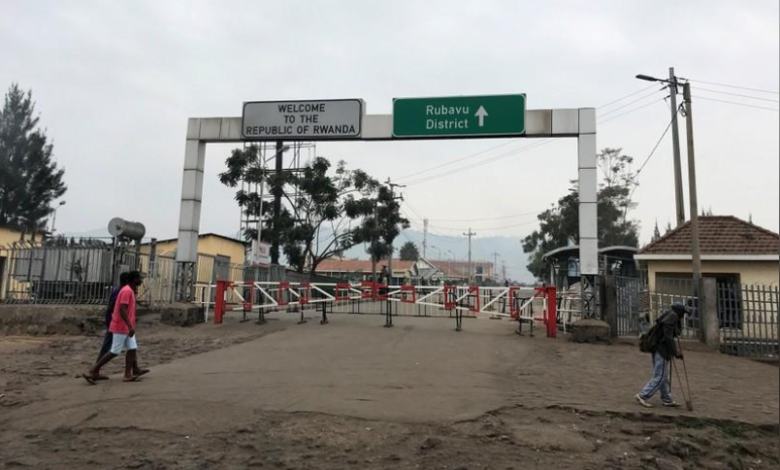
At border crossings near the strategic Congolese city of Goma, Rwandan health teams began checking the temperatures of all travelers arriving from Congo, and border crossings were severely restricted. However, these precautionary measures, while necessary for public health, have had a significant impact on the lives of civilians and traders in the border regions. In the Rubavu district of western Rwanda, residents expressed their frustration at the near-complete halt in the movement of goods.
Local traders told reporters: “We demand that the government find a solution that allows us to transport our goods normally while taking the necessary precautions.”.
The situation in Congo is catastrophic.
While Rwanda tries to protect itself from the deadly virus, the situation on the Congolese side of the border remains catastrophic and complicated by armed conflict. The main outbreak is concentrated in the Mongbwalu area, controlled by the CODECO militia, while attacks by the Allied Democratic Forces (ADF), linked to the Islamic State, continue in neighboring areas.
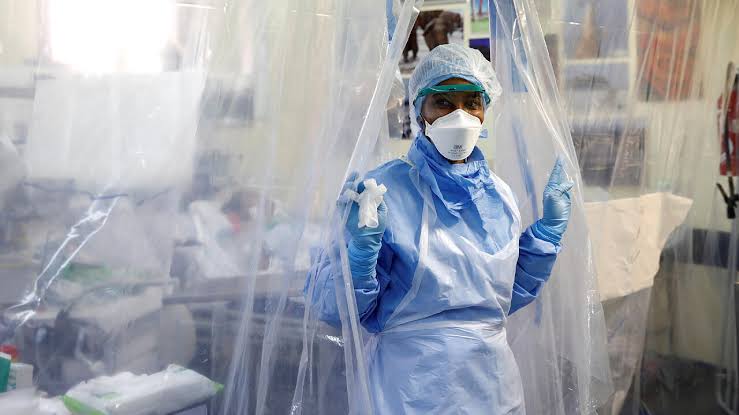
To the south, fighting continues between Congolese forces and Rwandan-backed M23 rebels, despite a peace agreement signed last year. In a further alarming development, a confirmed case of Ebola has been recorded in Goma itself, a city currently under M23 control near the Rwandan border.
Amid this escalating regional concern, the United States raised its travel warning for Congo, South Sudan, and Uganda to “Level Four – Do Not Travel,” and Washington advised its citizens to reconsider travel to Rwanda due to the outbreak of this dangerous strain.
Warning against continued conflicts
Health experts warn that continued armed conflicts and mass displacement, coupled with limited access to humanitarian aid, create a deadly mix that could accelerate the spread of the virus across borders, turning the Congo crisis into a regional health catastrophe that threatens Rwanda, Uganda, and the entire East African region.