A 50-year-old town in South Africa is the most polluted place in the world.
Secanda in South Africa
Written by: Ayman Ragab
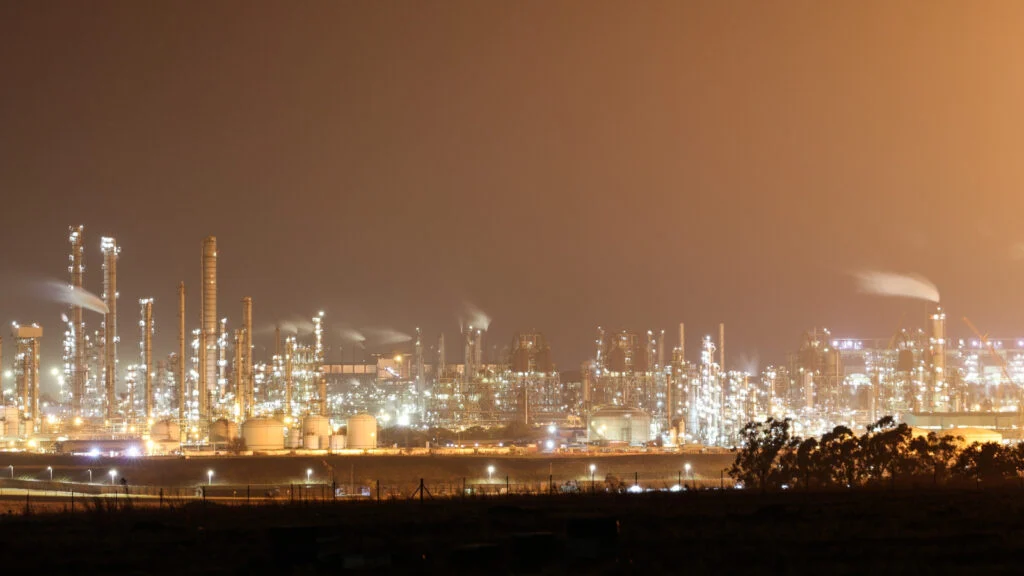
Secunda, in South Africa’s Mpumalanga province, is home to the world’s largest single source of carbon dioxide emissions, with Sasol’s operations in the region producing more carbon dioxide than entire countries.
Secanda was built to serve Sasol’s second coal liquefaction plant, when the country sought to reduce its dependence on imported oil after the 1973 oil crisis.
In 1974, Sasol began developing the city of Secanda, and it was officially declared a city in 1976, the same year that its first resident moved in.
Sasol complex and adjacent coal mines
The city supplies both the Sasol complex and the adjacent coal mines. The city has a population of over 40,000, while more than 28,000 people work at the Sasol facility.
Besides Sasol, the city has a range of facilities, including the Seconda Mall, schools (including the Koro School), a water park, a hotel, a casino, and the Graceland Country Club.
The neighboring town of Impalainhelley, which was established as a Black-only township in Seconda during the apartheid era of the 1970s, has a population of approximately 250,000.
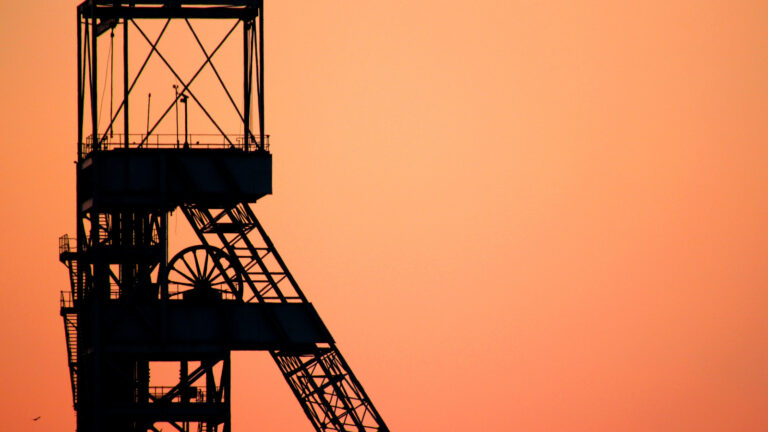
As MyBroadband reported, the town was named after the Sasol 2 facility, a coal-to-liquids plant in South Africa, which was built around it, in honor of the first plant in Sasolburg.
Sasol uses carbon monoxide and hydrogen, produced from coal via gasification, and then processes these gases to produce synthetic fuel, contributing about 30% of the country’s liquid fuel supply.
Seconda relies on coal
Bloomberg noted that Secanda's reliance on coal as its primary raw material makes it the world's largest single emitter of carbon dioxide. In 2023, Sasol emitted 64,000 kilotons of carbon dioxide.
Sasol was also named among 57 global companies responsible for 80% of global carbon dioxide emissions during the period from 2016 to 2022, according to the Carbon Majors report, ranking 56th globally.
Bloomberg noted that Secunda's operations alone produced emissions exceeding those of more than 100 countries around the world, including Norway, a major oil-producing nation.
There is another international player in the spotlight.
While Sasol's operations in Seconda have been under continuous scrutiny for years, Air Liquide's operations there are now also under scrutiny.
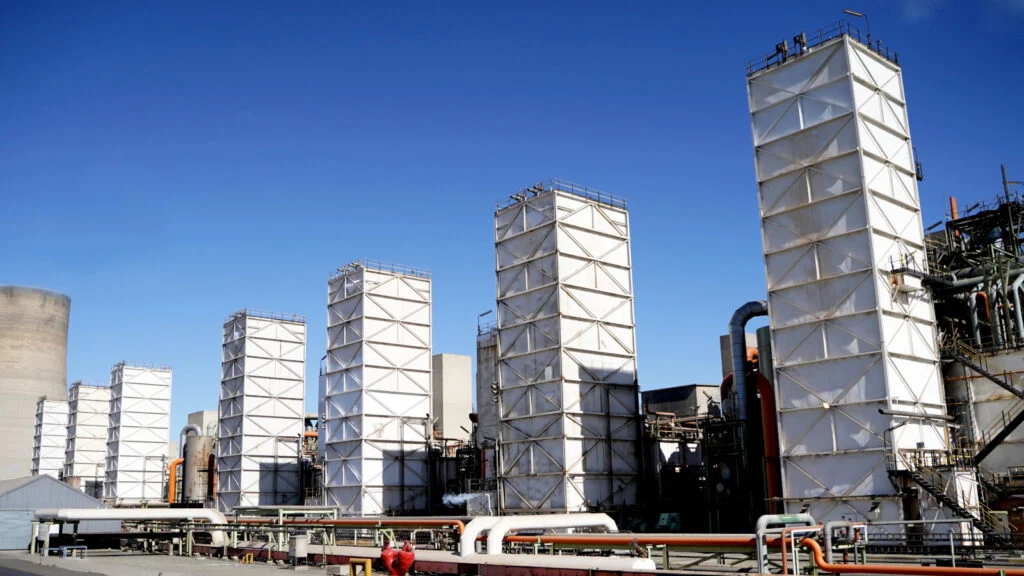
In 2021, Air Liquide purchased the world’s largest oxygen production site from Sasol, located in Secunda. This oxygen is used in the gasification process to convert coal into gases.
Industrial Gases Sector
Just Share, a responsible investment organization, pointed out that South Africa’s industrial gas sector remains largely absent from mainstream climate discussions.
This comes despite its role in energy-intensive processes and its contribution to increased emissions in many heavy industries. Because the sector operates largely in the shadows, Just Share says it is often overlooked.
Just Share also criticized Air Liquide for lacking a clear commitment to public interest terms in its 2021 agreement with Sasol.
Air Liquide has taken full operational control of 17 air separation units in its Seconda oxygen production system, committing to reducing emissions by 30% by 2031, with 2020 considered the baseline year.
Just Share said: “Both the baseline figure and the annual compliance reports for this commitment have not been publicly disclosed, making independent verification of progress structurally impossible.”.
She added: “If industrial gases are the hidden backbone of heavy industrial processes, their emissions – and their role in enabling other emission-intensive industries – cannot be overlooked.”.
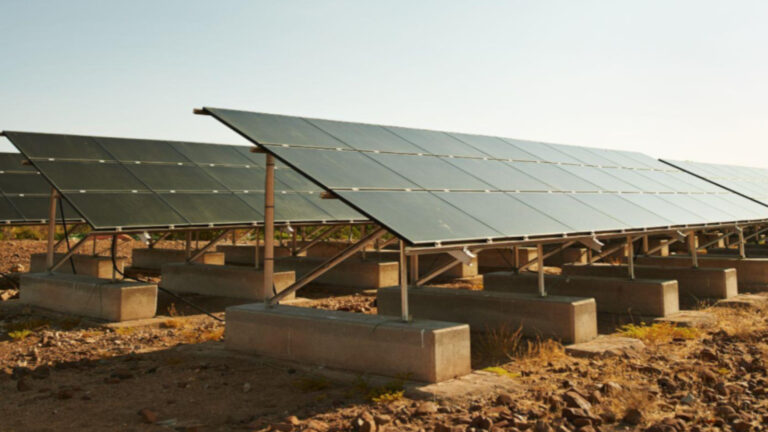
Moreover, although the company has exceeded the original renewable energy target of 900 megawatts set by the Competition Court, these levels represent only a small fraction of its production capacity.
According to Just Share, the company's average load factor for renewable energy is only 30-35% for wind power and 19-21% for solar power.
Because the site operates around the clock, coal-fired electricity from Eskom is essential to power between 651 TPH and 801 TPH of operations. Activists also pointed out that Air Liquide lacks a regional transition plan for South Africa.
7 steam-powered units
They added that Air Liquide's operations in Seconda face the risks of relying on coal from two sides: seven steam-powered units that rely on coal, and ten electric-powered units that rely on the South African electricity grid, which is 80% dependent on coal.
“Transparency is essential. Providing site-level emissions reports, setting clear milestones, and publicly disclosing compliance with integration requirements would allow investors, regulators, and citizens to assess progress.”
“Without these measures, the world’s largest single source of emissions threatens to remain unknown.”