China opens its markets to Africa… and Eswatini pays the price for its relationship with Taiwan
Near-total customs exemption for the continent
Written by Omnia Hassan
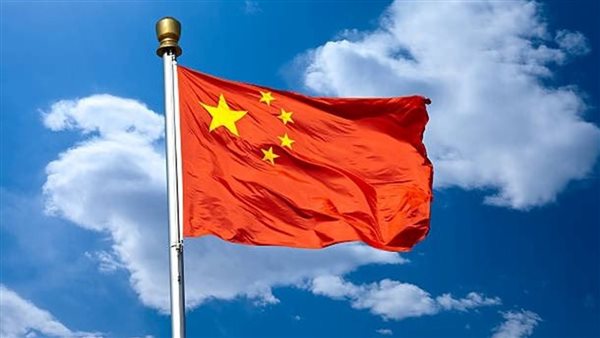
China has expanded its policy of eliminating tariffs on imports. AfricanThis includes 53 out of 54 countries on the continent as of May 1st.
The decision came after 20 new countries were added to the exemption list, a move reflecting the accelerating Chinese trade presence in Africa Beijing's desire to deepen its economic ties with the continent.
Eswatini is the sole exception
Eswatini remains the only African country exempt from this policy, due to its continued official diplomatic relations with Taiwan, at a time when Beijing considers the island part of its territory according to the “One China” principle, thus turning customs exemption from an economic tool into a clear political message.
Trade as a tool of political influence
Observers believe that Beijing is using its trade policy to set the cost of political alignment, highlighting the difference in treatment between its allies and countries that maintain relations with Taiwan. Eswatini's diplomatic isolation has become more pronounced, with access to the island becoming increasingly difficult due to its reliance on neighboring countries' airspace.
Taiwanese President's Visit Crisis
Tensions escalated recently when Taiwanese President Lai Ching-te's visit to Eswatini was thwarted after Seychelles, Mauritius, and Madagascar refused to grant him overflight rights, effectively canceling the trip. Taipei accused Beijing of exerting behind-the-scenes pressure to restrict its international standing, while China denied this, asserting that countries' adherence to the "One China" principle is a sovereign decision.
Chinese-American rivalry on the African stage
While the United States is adopting stricter trade policies by imposing high tariffs on some African countries, China is moving in the opposite direction by opening its markets with virtually no tariffs.
Economic influence as a gateway to political influence
This comes despite a trade gap estimated at around $102 billion in favor of Beijing, reflecting its long-term bet on economic influence as a gateway to political influence.
Africa is at the heart of the equation
These developments reflect how Africa has become a major arena for reshaping the international balance of power. While the continent’s countries see customs exemptions as an opportunity to boost their exports, Eswatini’s case reveals that diplomatic choices can carry a direct economic cost, in a landscape where trade and politics are intertwined in an unprecedented way.