Inside a bubble... The White House demands that the Congolese national team be placed in medical isolation due to Ebola.
Congo national team isolated
Written by: Ayman Ragab
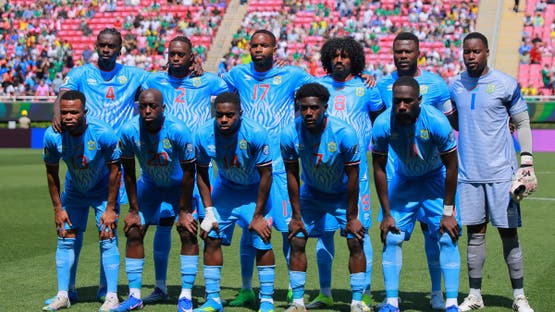
The White House confirmed on Friday that the Democratic Republic of Congo national team will be required to remain inside a health “bubble” for 21 days to avoid contracting the Ebola virus if they wish to enter the United States to participate in the World Cup finals scheduled for less than a month from now.
“We made it very clear to Congo that they have to maintain their isolation for 21 days before they can arrive in Houston on June 11,” White House World Cup chairman Andrew Giuliani told ESPN.
Congo national team
To meet this deadline, the national team, which is currently holding a training camp in Belgium, had to begin isolation starting on Friday.
Giuliani added: “If other players join the national team, they must be placed in a separate isolation bubble from the team.”.
He also warned that “if the team arrives and one of its members shows symptoms of the disease, this could put the entire team at risk of being excluded from participating in the World Cup.”.
Giuliani confirmed in a statement to AFP that the White House “encourages the team to protect its players from unnecessary exposure to the virus and to maintain the integrity of its health bubble to ensure participation in the tournament.”.
2026 World Cup
The Democratic Republic of Congo, whose training camp will be held in Houston, Texas, will compete in Group 11, facing Portugal on June 17 in Houston, then Colombia on June 23 in Guadalajara, Mexico, before concluding its matches against Uzbekistan four days later in Atlanta.
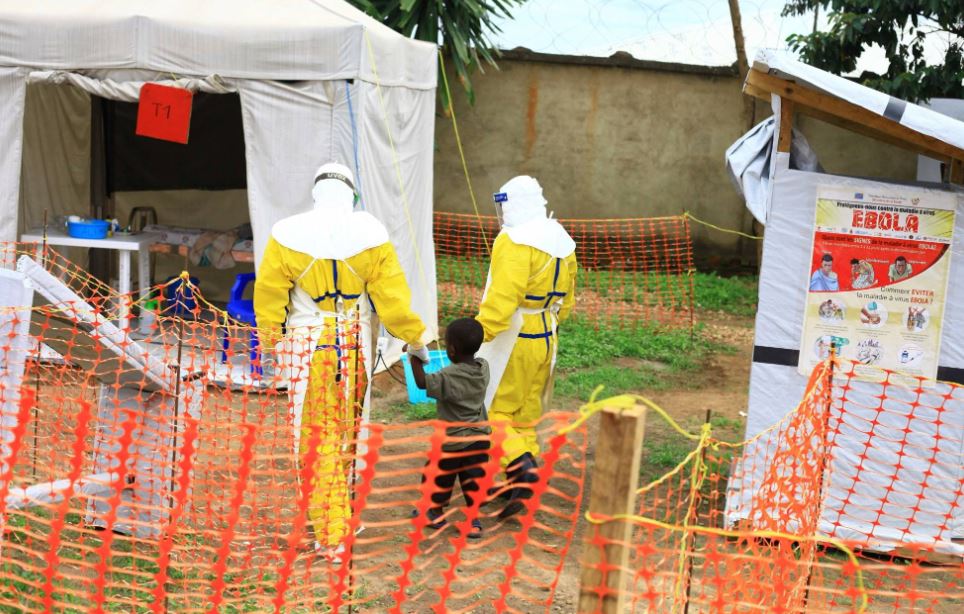
The World Health Organization had issued an international health alert in response to the seventeenth outbreak of the Ebola virus in eastern Democratic Republic of Congo.
The organization classifies the risk of the epidemic as “very high” at the national level, after recording 82 confirmed cases, including 7 deaths, amid the rapid spread of the disease within the country.
The Ebola virus causes a highly contagious hemorrhagic fever and has killed more than 15,000 people in Africa over the past 50 years.
In response to the new outbreak, Washington tightened health controls at its borders, barring entry to foreigners who had visited Uganda, the Democratic Republic of Congo, or South Sudan in the past 21 days.
However, a US official explained to AFP that the Congolese national team is currently in Europe, and therefore the ban may not apply to them.
As of Thursday, all travelers who have recently visited countries affected by the Ebola virus or located near them are required to arrive via Washington Dulles International Airport to undergo strict medical examinations.
This measure includes both American citizens and permanent residents.