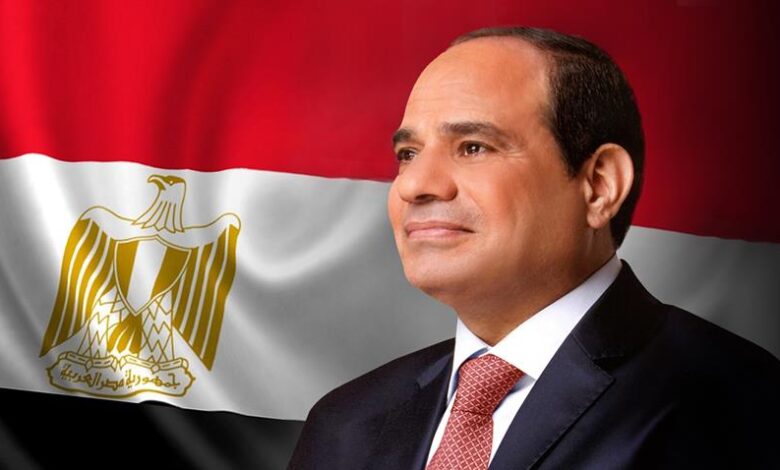
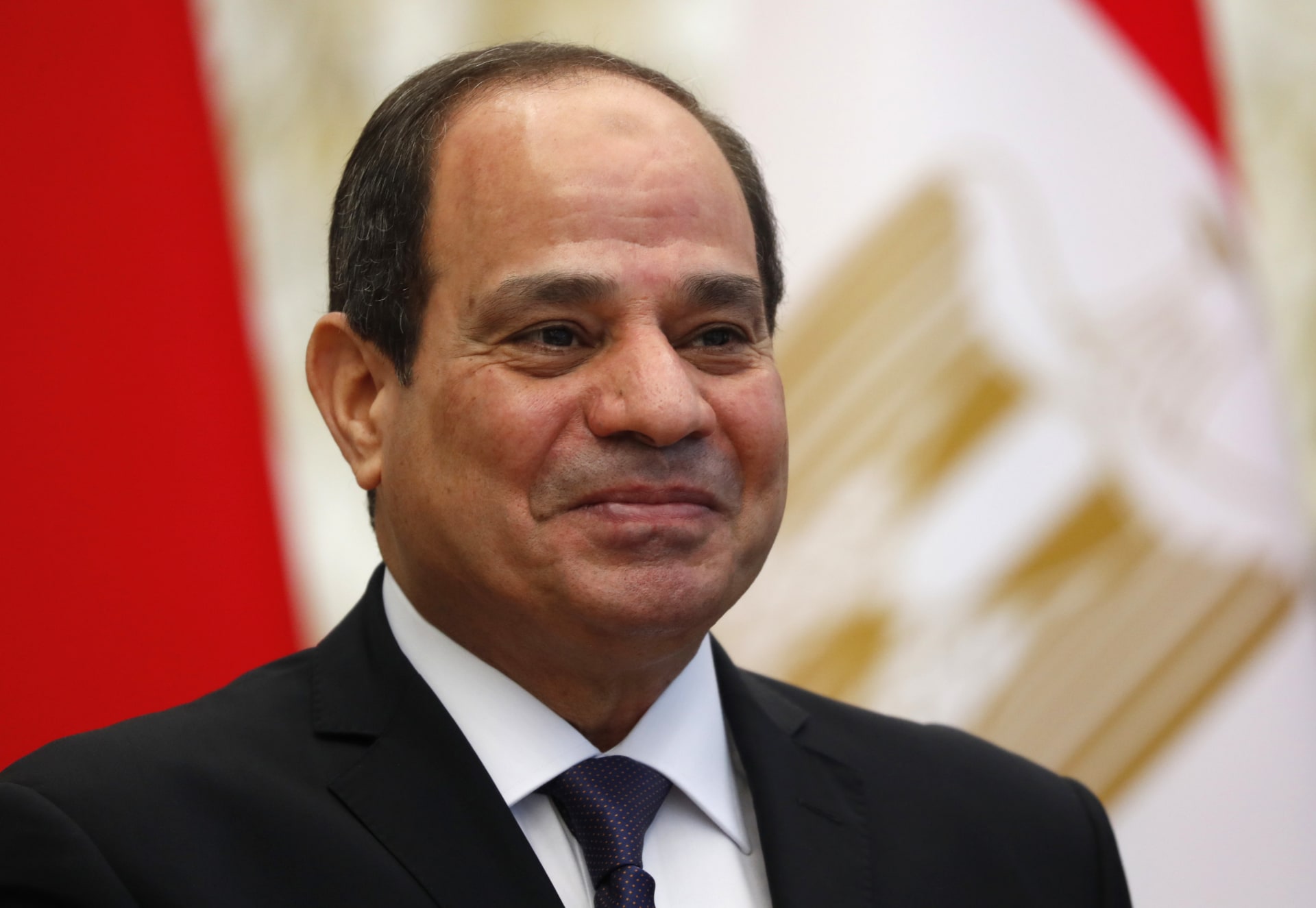
President Abdel Fattah al-Sisi met today with Hassan Abdullah, Governor of the Central Bank.
The official spokesperson for the Presidency stated that the meeting addressed a number of topics related to the performance of the Egyptian economy, the efforts made to reduce inflation, increase dollar inflows, and secure foreign exchange reserves, in addition to matters related to the repercussions of regional conflicts and current geopolitical tensions on inflation rates and the external balance.
Ambassador Mohamed El Shenawy, the official spokesperson, explained that the President followed up, in this regard, on the latest developments in the economic situation in Egypt, and the progress made in the economic reform program, one of the most prominent results of which was reducing the inflation rate from its peak of 38% to 11% before the current crisis in the region, while Egypt’s net international reserves reached a historic level of about $53 billion in April 2026, which covers import needs for 6.3 months, and is equivalent to about 158% of short-term external debt.
The official spokesperson added that the Central Bank Governor also addressed during the meeting the repercussions of regional conflicts and current geopolitical tensions on inflation rates, the external balance, and capital flows, stressing the Central Bank of Egypt’s commitment to continuing its flexible exchange rate policy, which allows the currency to absorb external shocks.
The official spokesperson noted that the Governor of the Central Bank also reviewed during the meeting the details of the preparations for Egypt to host the 33rd Annual Meetings of the African Export-Import Bank (Afreximbank), which will be held under the patronage of the President in El Alamein in June 2026. In this context, the Governor stressed that Egypt’s hosting of this event reflects its firm commitment to supporting African economic integration, expanding trade, and achieving sustainable development, within the framework of the strategic partnership with the African Export-Import Bank.
The President directed the acceleration of the path to fiscal sustainability, the strengthening of fiscal discipline, and the improvement of the debt structure, ensuring that greater resources are allocated to service sectors and efforts to enhance human development. He also stressed the need for the Central Bank to prioritize the growth of international reserves and contain inflation.