
South Sudan is gradually raising telecommunications prices to combat the currency crisis and inflation.
The decision followed extensive consultations.
Written by Ziad Abdel Fattah:
The National Telecommunications Authority of South Sudan announced the approval gradual increase The telecommunications services tariff, which includes telephone calls and internet services, will be reduced starting at midnight on June 26, in a move aimed at supporting the continued operation of the sector in light of the worsening economic challenges.
The authority explained in an official statement that the decision came after extensive consultations that included the Ministry of Communications, Information Technology and Postal Services, Parliament, as well as telecommunications companies and civil society organizations, reflecting a consensus on the need to intervene to ensure the sustainability of services.
Telecommunications companies are facing pressure
She stressed that telecommunications companies are facing increasing pressure as a result of rising inflation rates, the decline in the value of the South Sudanese pound, and the shortage of foreign currency, which threatens their ability to continue providing services efficiently.
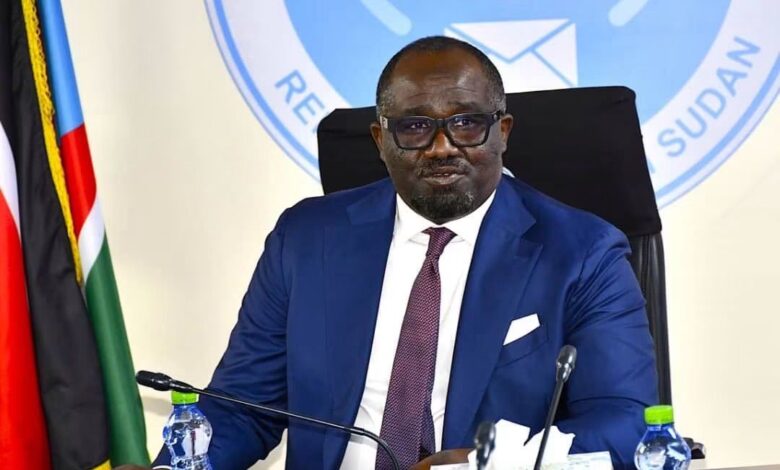
For his part, the Director General of the Authority, Rizk Dominique, explained that the new amendment is not an actual increase as much as it is a rebalancing of the tariff, noting that the basic prices have remained unchanged during the past eight months.
He added that the international reference rate for voice calls is about $0.04 per minute, which is equivalent to about 181 South Sudanese pounds according to the official rate, while telecommunications companies rely on an exchange rate of approximately 4,526 pounds to the dollar to collect their revenues, while they are forced to provide foreign currencies from commercial banks at rates of up to about 27,000 pounds to the dollar to cover operating costs, including the import of equipment, technical licenses, satellite services and maintenance work.
The authority stressed that the approved increase represents the minimum necessary to reduce the exchange rate gap and maintain the continuity of networks, especially in remote areas that face the risk of service interruption.
The National Telecommunications Authority confirmed that it will monitor the implementation of the decision periodically, with continuous reviews in accordance with economic developments, in order to achieve a balance between the sustainability of the sector and the protection of users’ interests.




 Arabic
  English
  French