Pakistan enters the Libyan crisis line... new mediation to unify state institutions
Competing camps seek agreement
Written by Ziad Abdel Fattah:
Pakistani sources revealed that, Islamabad Undisclosed mediation efforts between rival power centers in eastern and western Libya are underway, in a new diplomatic move aimed at bridging the perspectives of Libyan parties, amid regional support and US observation, according to Reuters.
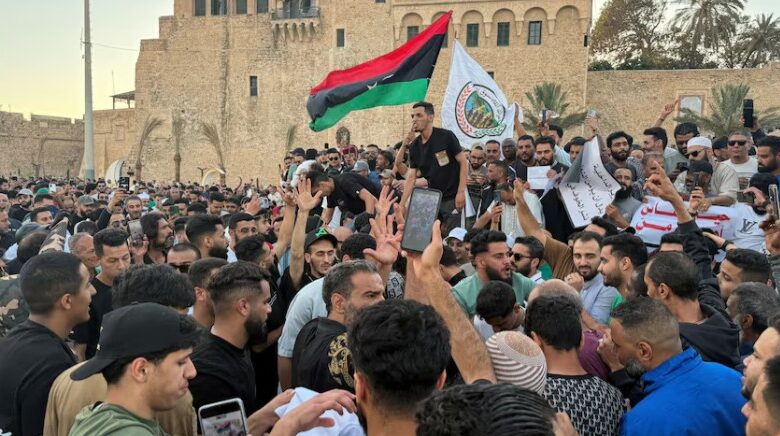
Mediation efforts began late last year at the request of both Libyan sides, amid ongoing international endeavors to find a political settlement that would end the years of division Libya has been experiencing since the outbreak of the civil war following the overthrow of Muammar Gaddafi's regime in 2011.
The United States is fully aware of the Pakistani role.
One of the sources explained that the United States was fully aware of Pakistan's role and is participating in follow-up efforts. The initiative also enjoys the support of Saudi Arabia, which signed a defense cooperation agreement with Pakistan last year and seeks to enhance its presence in the Libyan issue.
The Pakistani mediation comes after the role Islamabad played this year in bridging the gap between the United States and Iran, a role that received praise from the US administration.
Forming transitional arrangements for power sharing
The proposed plan, which is still under discussion, includes forming transitional power-sharing arrangements for 36 months, through a national consensus government and a new presidential council.
According to the draft plan reviewed by Reuters, the head of the National Unity Government, Abdul Hamid Dbeibeh, will head the prime minister's office during the transitional phase, while Saddam Haftar, deputy commander-in-chief of the Libyan National Army, will head the Presidential Council.
The proposed plan also grants the Commander-in-Chief of the Libyan National Army, Khalifa Haftar, powers related to budget oversight, given that his forces control some of the largest oil fields and vital infrastructure in the east of the country.
A Pakistani source confirmed that his country will play a main role in ensuring the implementation of the agreed-upon arrangements if they are adopted, while consultations continue regarding the final details.
In a related context, Pakistan's Army Chief General Asim Munir met with Saddam Haftar last month in the city of Rawalpindi, before the latter traveled to Washington where he held a meeting with U.S. Secretary of State Marco Rubio, who reiterated his country's support for Libya's unity and encouraged efforts to end the division.
Although Pakistan is not considered a major player in the Libyan file compared to the United States, Turkey, Egypt, and the UAE, it maintains relations with various Libyan parties, which gives it an opportunity to play a mediating role.
Two Pakistani sources indicated that Qatar and Turkey, who are among the main supporters of the Tripoli-based national unity government, encouraged Islamabad to engage in mediation efforts, while analysts warned that the success of any agreement will remain dependent on the ability of the Libyan parties and their regional and international supporters to commit to its implementation and overcome disagreements related to power, elections, and the management of oil revenues.