Written by: Mohammed Omran
Relations between Nigeria and South Africa are heading towards an unprecedented level of tension, after the Nigerian government accused South African police, specifically the Tshwane municipal police, of responsibility for the deaths of two of its citizens during escalating anti-immigrant violence, with Abuja threatening to take escalatory measures if South African authorities do not act to address the situation.
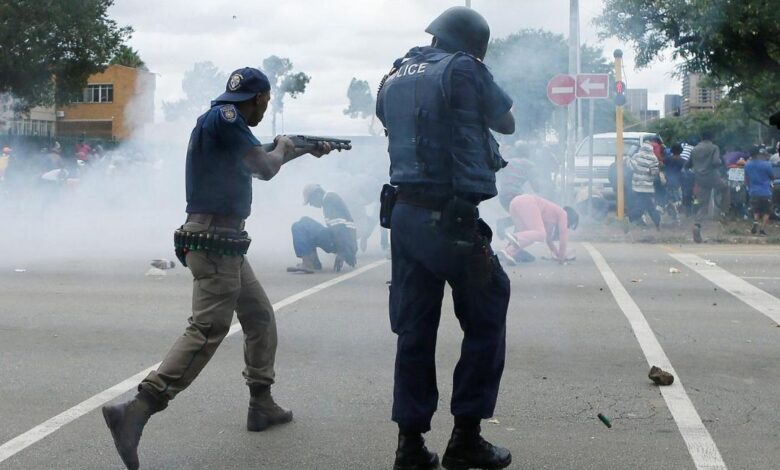
The Nigerian Ministry of Foreign Affairs confirmed that one of the victims was killed by unknown criminals in front of his store in the city of Emalahleni in northeastern South Africa on June 28, the same day that saw tensions escalate before anti-immigrant protests. The other citizen, named Emeka Iroegbu, was killed by police officers in the capital, Pretoria, while being interrogated, an incident currently under investigation by the Independent Police Investigative Directorate in South Africa.
The Nigerian Foreign Ministry stressed that the victims fell as a result of what it described as ”brutal investigations” and extrajudicial killings, considering that the continuation of these violations constitutes a clear basis for the legal responsibility of the state under international law. It threatened to take international measures and exert pressure against Pretoria if what it described as ”intolerance and provocation against foreigners” continues.
Mutual accusations and political escalation between the two countries
In contrast, the South African government has not issued an official response to the accusations, while the independent police watchdog confirmed that it received a report regarding the killing of the Nigerian citizen in Pretoria, and that an investigation is ongoing.
These developments come amid a surge in anti-immigrant violence within South Africa, where authorities deployed the army to support security services during protests that were largely peaceful but turned violent in some areas.
Recent months have seen attacks by armed groups targeting foreign nationals, along with the looting of shops owned by immigrants. Some South Africans blame immigrants for rising crime rates and unemployment, while human rights organizations assert that foreigners have become a “scapegoat” for deep-rooted economic and social problems.
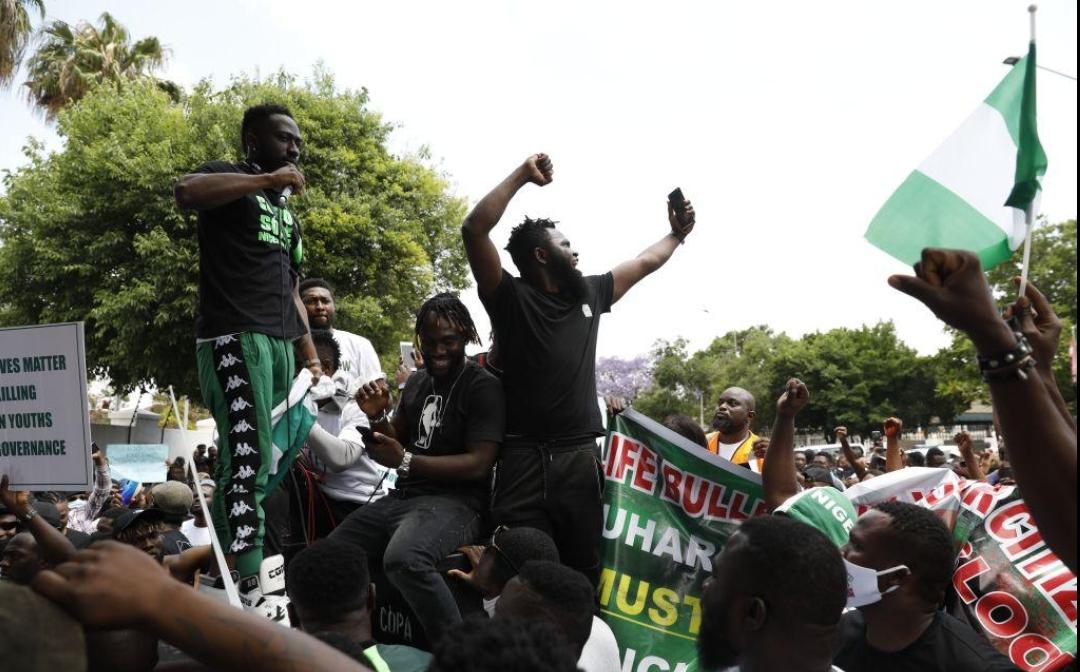
These events sparked widespread anger within Nigeria, prompting the initiation of mass evacuations of Nigerian nationals from South Africa. This coincided with escalating public and political calls in Abuja to boycott or nationalize South African investment companies.
The tension also spread to other African countries, as Mozambique announced the deaths of five of its citizens in anti-foreigner attacks in late May, while South Africa said the number of victims did not exceed two. Ghana also announced the death of one of its citizens during anti-immigrant protests, while Pretoria denied any connection between his death and the demonstrations, accusing Accra of spreading misinformation.
South African President Cyril Ramaphosa condemned the attacks targeting migrants, while police announced they had arrested around 900 people during recent protests.
The Nigerian Ministry of Foreign Affairs confirmed that all options remain on the table if the South African government does not take decisive action to stop the violations and protect foreigners, considering that the continuation of this pattern of incidents raises questions about state responsibility and the complicity of some elements of the security agencies.
This escalation comes at a time when relations between the two largest economic powers on the African continent are experiencing one of their most tense phases, amid growing concerns that the crisis could affect political and economic cooperation and regional stability if the pace of escalation between the two sides continues.