Amidst terrorism and natural disasters, archaeologists face challenges to save Libya's treasures.
Warnings of marine corrosion threaten one of Libya's most important World Heritage sites.
Written by: Mohammed Omran
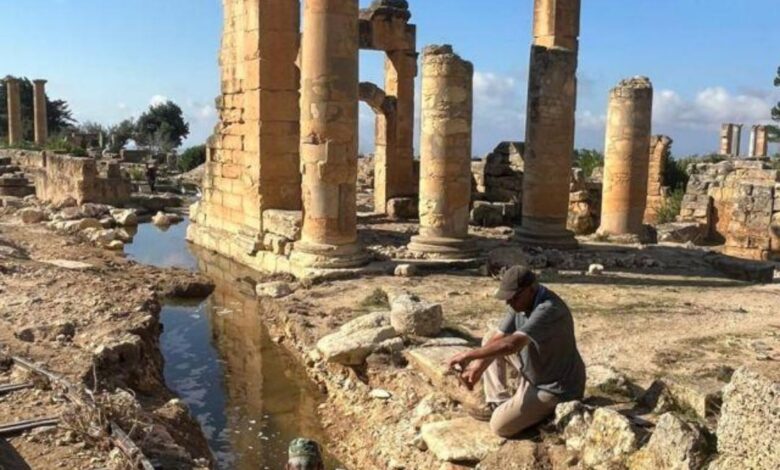
Archaeologists in Libya are continuing intensive efforts to preserve the ancient cities of Cyrene and Apollonia, listed as UNESCO World Heritage sites.
This comes after both faced a series of threats in past years, beginning with jihadist groups targeting the sites in the aftermath of the fall of the regime of the late Libyan leader Muammar Gaddafi in 2011, before they suffered further damage as a result of Hurricane Daniel, which hit the eastern part of the country in 2023.
Ismail Dakheel, the supervisor of the Cyrene Museum, confirms that the period between 2014 and 2016 was one of the most difficult phases the ancient city went through, due to the deteriorating security situation and the absence of state institutions. He explained that those working in the field of antiquities lived in a state of constant anxiety and fear for the civilizational heritage and rare artifacts.
Warnings of marine corrosion threaten one of Libya's most important World Heritage sites.
The Cyrene Museum houses statues of the gods Apollo and Zeus, along with a repository containing over 40,000 rare artifacts rescued from the ancient city.
“Dukhayl” indicates that the work team developed a plan during the years of chaos to protect the most valuable artifacts. This plan involved hiding small statues, gold coins, and archives inside their homes, fearing they would be looted or stolen.
As for the huge sculptures that could not be moved, including the rare female sphinx, volunteer archaeologists and local residents undertook their protection. They monitored the archaeological sites around the clock, which prevented any thefts within the city of Cyrene, according to Dakhil.
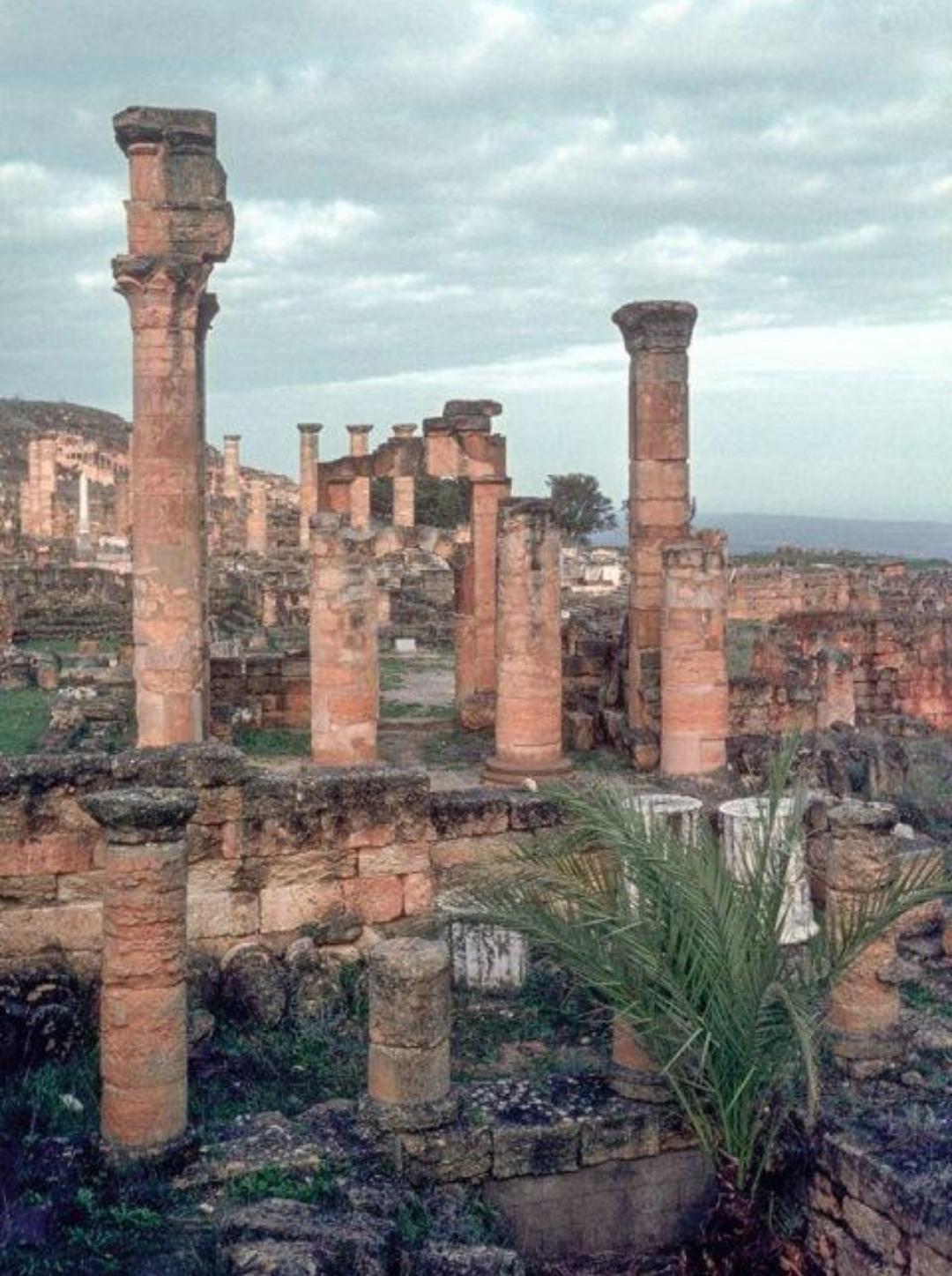
Cyrene is one of the most prominent cities in the Hellenic world, founded in 631 BC by settlers from the Greek island of Thera, currently known as Santorini, along with the establishment of four other colonies: Apollonia, Ptolemais, Arsinoe, and Berenice, along the eastern coast of present-day Libya.
Cyrene, along with its port city Apollonia, became one of the wealthiest and most important cities in Greek civilization, before later becoming a Roman capital. At the peak of its prosperity, its population reached about 100,000 inhabitants. It witnessed a great intellectual and cultural renaissance based on arts, music, and sciences, and it also had renowned theaters and a prestigious philosophical school.
However, earthquakes and wars contributed over time to turning those cities into ruins, before they were rediscovered during the eighteenth century.
Tourism guide Hamdi El-Kilany says that the two archaeological sites are still not well-known to many, even though the city of Cyrene has exceptional beauty that makes it “breathtaking.” He expressed his hope that the region will attract large numbers of tourists in the future, noting that the number of visitors is currently still limited and confined to small groups that visit the region from time to time, in addition to a small number of tourists.
And when Hurricane Daniel hit eastern Libya in 2023, floods swept through the city of Derna, located about 100 kilometers east of Cyrene, causing thousands of deaths, and the effects of the disaster also extended to archaeological sites.
Anis Hamed Younis, supervisor of restoration work in the Sacred Way connecting the heights of Cyrene with the Temple of Apollo, says that all those interested in the site attended the day after the hurricane to participate in rescue efforts. Younis leads a team that has been working for months to remove rock masses and debris, rescue artifacts, and rebuild one of the shrines and about 60 meters of an archaeological wall that had collapsed.
Despite reliance on old equipment and a lack of capabilities and resources, Younes expressed hope for reopening the area to visitors next September.
While Cyclone Daniel left widespread destruction and significant human losses, it also contributed to the discovery of new archaeological findings. Archaeologists found inscriptions and funerary offerings that were buried among thousands of Greek and Roman tombs scattered throughout the region.
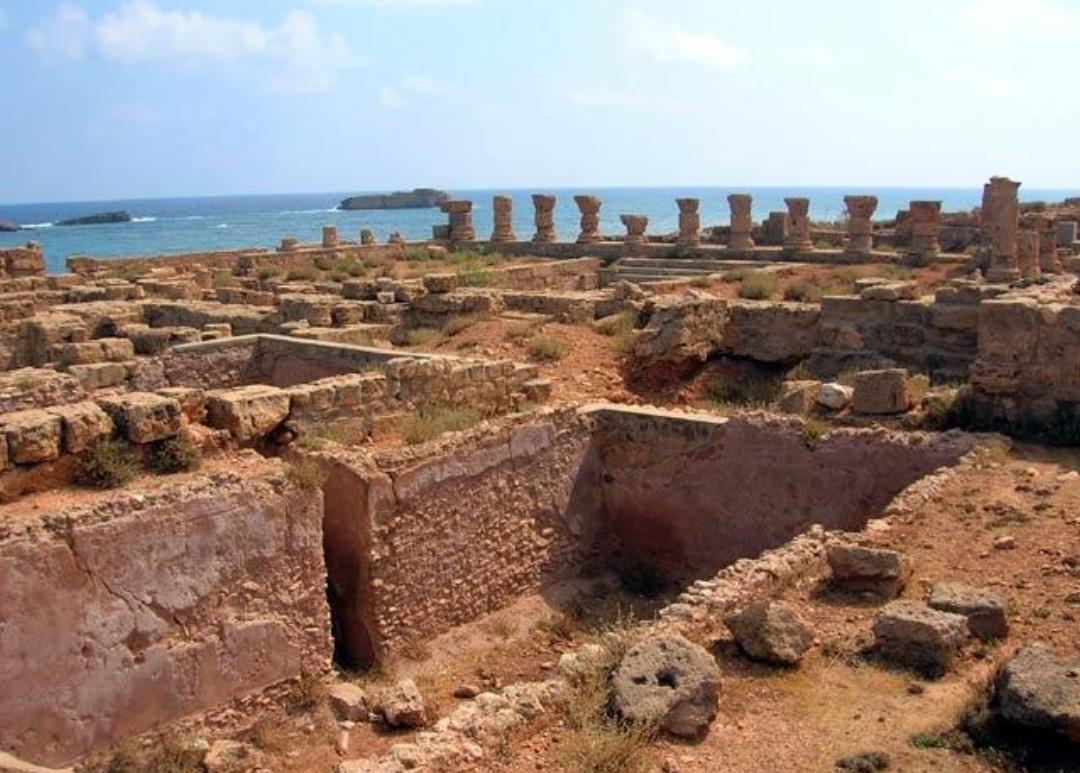
Meanwhile, concerns are growing about the ancient city of Apollonia, located about 20 kilometers from Cyrene, after seawater has submerged about one-third of the site over the centuries. Talal al-Hassi, a local official with the Department of Antiquities, confirms that estimates of the risk of losing the site rose from 50% before Hurricane Daniel to about 80% afterward, warning that some archaeological structures are now directly exposed to marine erosion, which calls for urgent intervention to save them.
For his part, Ahmed Issa Abdul Karim, a senior official in the Department of Antiquities, called for the establishment of a national museum befitting the value of these historical sites, emphasizing that the existing artifacts do not belong to Libyans alone, but represent a human heritage that concerns the entire world and should not remain locked away in storage.
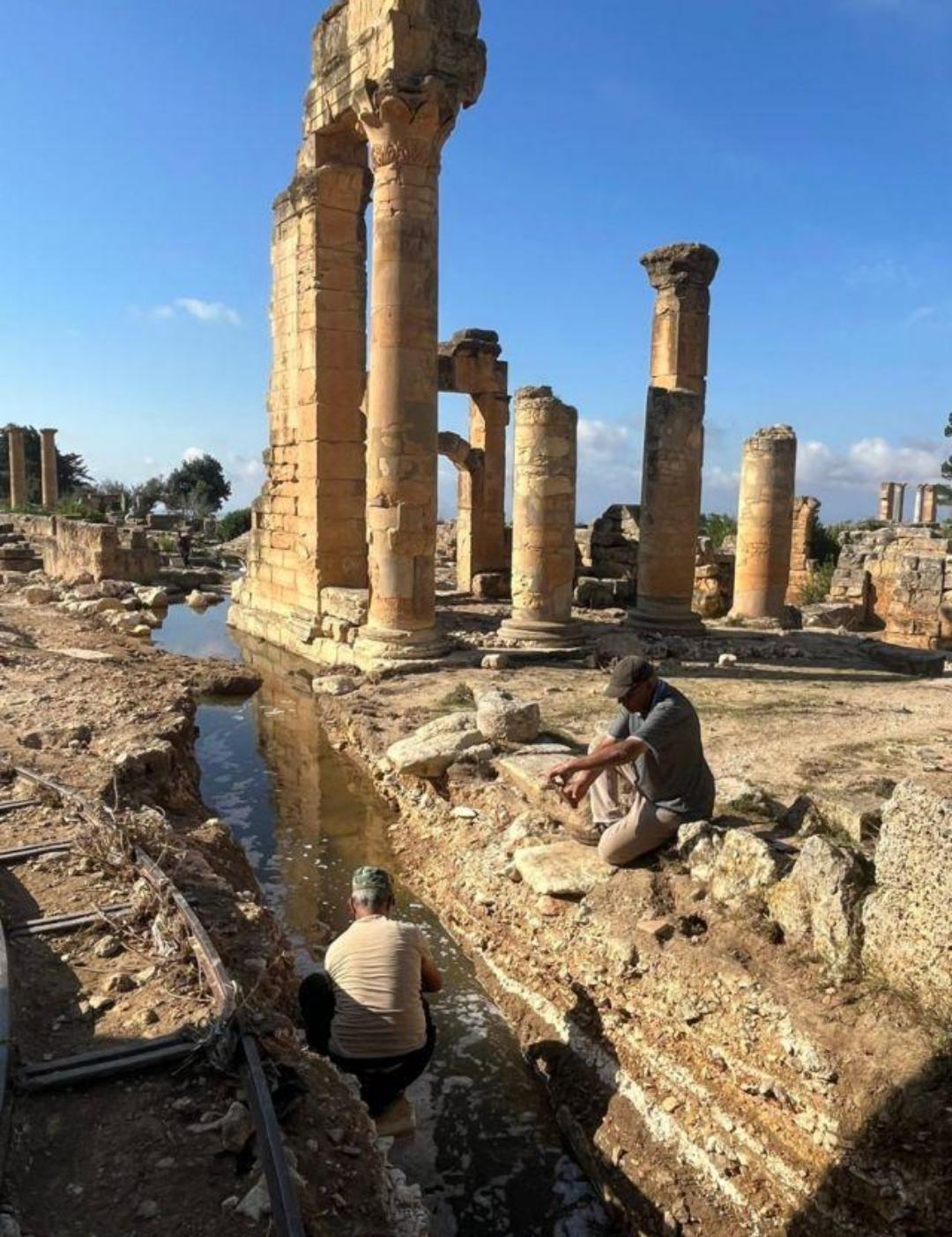
Abdul Karim expressed his hope that the Libyan authorities, whether the internationally recognized government based in Tripoli or the rival authority in the east of the country, will realize the importance of preserving these sites for future generations, given the ongoing political division in Libya.
He concluded by emphasizing the need to prioritize the protection of heritage, saying that oil may run out one day, but these archaeological sites will remain witnesses to history, which necessitates their preservation and conservation as an eternal human legacy.