Is Rwanda entering a new phase of rising prices after inflation climbed to 13.6%?
Health and energy are driving the wave of price increases.
By: Imran
Amidst increasing cost of living pressures, inflation continued to Rwanda its upward trajectory through June 2026, driven by rising healthcare, energy, and transportation service prices. Markets and economic institutions are monitoring the impact of these increases on consumer spending and the country's economic growth.
Inflation in Rwanda Rises to 13.6% in June... Health and Energy Lead the Price Hike
Data on the Consumer Price Index from the National Institute of Statistics of Rwanda (NISR) that the annual inflation rate stood at 13.6% in June 2026, compared to 12.9% in May, reflecting continued price increases across most major expenditure categories.

Health leads the increases
The health services sector recorded the highest rate of increase among all sectors, with prices jumping by 71.2% year-over-year, while transportation costs rose by 26%, and prices for housing, water, electricity, gas, and other fuels increased by 20.5%.
Prices at restaurants and hotels rose by 15.9% compared to the same period last year, while prices for alcoholic beverages and tobacco rose by 13%.
Rising food prices
Prices for food and non-alcoholic beverages—one of the largest categories of household spending—rose by 7.5% year-over-year, despite a slight decline of 0.3% compared to May.

On a monthly basis, the transportation sector recorded the largest increase among the index’s components, at 1.2%, followed by the housing and utilities sector at 0.7%, while prices for restaurants and hotels, alcoholic beverages, and tobacco rose by 0.6% each, and prices for health services increased by 0.1%.
Local goods surpass imported ones.
The data showed that prices of domestically produced goods rose by 14.7% year-over-year and by 0.4% compared to the previous month, while imported goods recorded a year-over-year increase of 10.5%, with a monthly increase of 0.5%.

Prices for fresh produce also rose by 9.1% compared to June 2025, while they remained unchanged on a month-over-month basis.
Energy continues to lead inflation
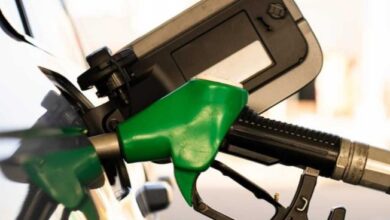
Energy prices continued to post the largest increases among the sub-indices, rising by 44.8% year-over-year and by 0.3% compared with May.

In contrast, the core inflation index—which excludes prices for fresh produce and energy—rose by 12.3% year-over-year and by 0.6% month-over-month, reflecting continued inflationary pressures in the Rwandan economy.