Investment exceeding $800 million: Dangote and Sinoma expand Nigeria's largest cement plant
The agreement raises the production capacity of the Ituri plant in Ogun State to 12 million tons per year.
Written by: Mohammed Omran
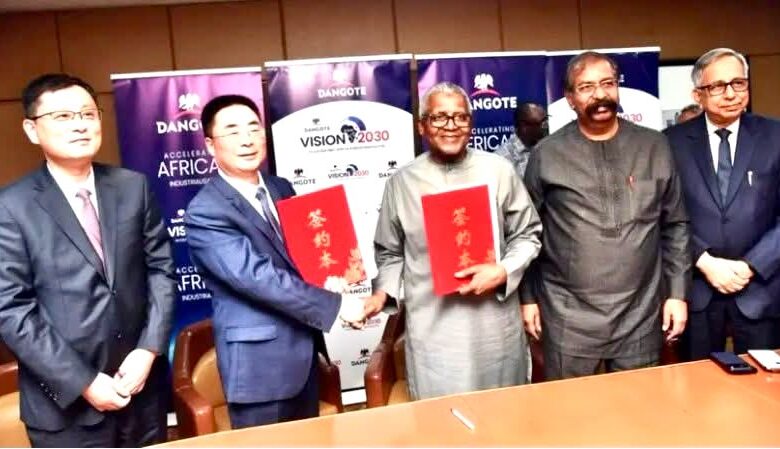
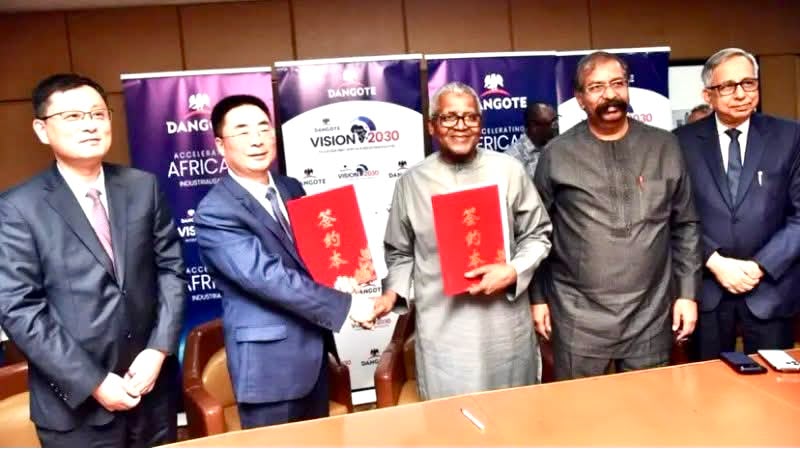
In a move reflecting the continued industrial expansion in Nigeria, Dangote Group Industries and China’s Sinoma International Engineering Corporation signed a memorandum of understanding worth more than $800 million to expand Dangote Cement’s plant in the Ituri region of Ogun State in the southwest of the country, raising the plant’s production capacity to 12 million tons per year.
Investment exceeding $800 million: Dangote and Sinoma expand Nigeria's largest cement plant
The agreement is one of the largest new investments in Nigeria’s cement industry and is part of the Dangote Group’s strategy to enhance its production capacity, keep pace with the growing demand for building materials in the Nigerian market, and support its exports to African markets.
The expansion works are expected to significantly increase the plant's annual production, further solidifying Nigeria's position as one of the continent's largest cement producers, and supporting the infrastructure and housing projects the country has witnessed in recent years.
The expansion work is being carried out by Sinoma International Engineering of China, leveraging its experience in designing and building cement plants around the world, while the Dangote Group continues to invest in developing the heavy industries sector as one of the main drivers of economic growth.
Observers believe the project reflects the growing economic partnership between Nigeria and China, especially in the areas of industry and infrastructure, where Chinese companies have become key partners in implementing many major projects within Nigeria.
The project is also expected to create new job opportunities during the construction and operation phases, as well as strengthen local supply chains and increase the contribution of the manufacturing sector to the Nigerian economy.
This agreement comes at a time when Nigeria is seeking to expand its industrial base and reduce dependence on imports, by supporting major investments in production sectors, thereby adding value to the national economy and enhancing the competitiveness of Nigerian industry at the regional level.