From Iron and Gold to Green Hydrogen: Promising Sectors Redrawing Mauritania's Economic Future
Mauritania is betting on a clean energy future
Written by: Mohammed Omran
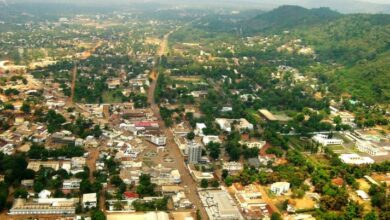
Mauritania is heading towards strengthening its position as a promising investment destination in the west Africadriven by its large natural resources, strategic geographic location, along with a government directive towards developing the energy, mining, agriculture, and fishing sectors.
The country seeks to attract more foreign investment by developing its business environment and launching major projects in sectors where it has a competitive advantage, especially renewable energy and strategic minerals.
Mining is a mineral wealth that opens doors to investment.
The mining sector represents one of the most important investment areas in Mauritania, as the country possesses large reserves of iron, gold, and copper, in addition to multiple mineral indicators that make the sector pivotal in the national economy.
The Mauritanian Investment Promotion Agency indicates the presence of more than 900 mineral indicators in the country, including iron ore, gold, copper, and other resources, which provides opportunities for companies involved in exploration, extraction, and related mining industries.
The World Bank also supports Mauritania's efforts to develop its mining sector through a project to support energy and mineral resources, which aims to enhance investments in mineral resources and improve the sector's regulatory framework.
Green hydrogen is Mauritania's bet on future energy
Renewable energy is one of the most prominent sectors that Mauritania is betting on to attract investments, especially given its significant potential in solar and wind energy.
The country is working on developing green hydrogen projects, leveraging its natural resources and its proximity to European markets. It has adopted a legal framework specifically for green hydrogen with the aim of providing a more attractive environment for investors.
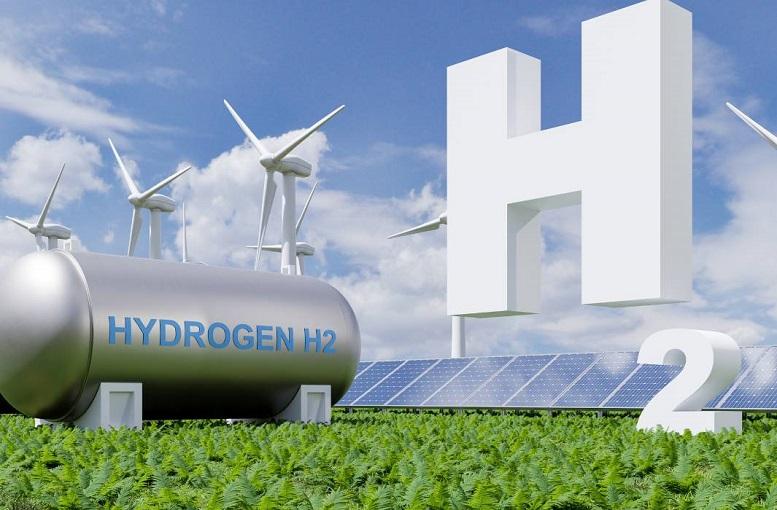
The World Bank also supports projects related to clean energy and the development of the mining and energy sector in Mauritania, through a project focused on enhancing renewable energy production and developing the necessary infrastructure for new investments.
Gas and Energy Opportunities in a Growing Sector
Mauritania has potential in the natural gas sector, especially with gas basins and projects related to the “Grand Tortue Ahmeyim” field, which it shares with Senegal.
The country is offering investment opportunities in the fields of oil and gas exploration and production, logistics, and the development of energy-related infrastructure.
Fisheries and agriculture are fully underexploited sectors
In addition to mining and energy, Mauritania offers investment opportunities in the fisheries sector, thanks to its coastlines rich in marine resources. This presents opportunities in fishing, food processing, cold chain logistics, and exports.
The Investment Promotion Agency also indicates opportunities in the agricultural sector, especially with the availability of arable land and projects related to food security and agro-industry.

A strategic location that enhances investment appeal
Mauritania offers investors an additional advantage due to its location between Africa and the Arab world, and its proximity to European markets, making it a candidate to play a larger role in trade, energy, and logistics.
The World Bank believes that developing the mining, energy, and infrastructure sectors can help Mauritania achieve more diversified economic growth and reduce reliance on a single sector.
Challenges to attracting more investments
Despite significant opportunities, Mauritania still faces challenges related to infrastructure development, increasing private sector participation, and improving human resource efficiency, issues that the government and international institutions are working to support.
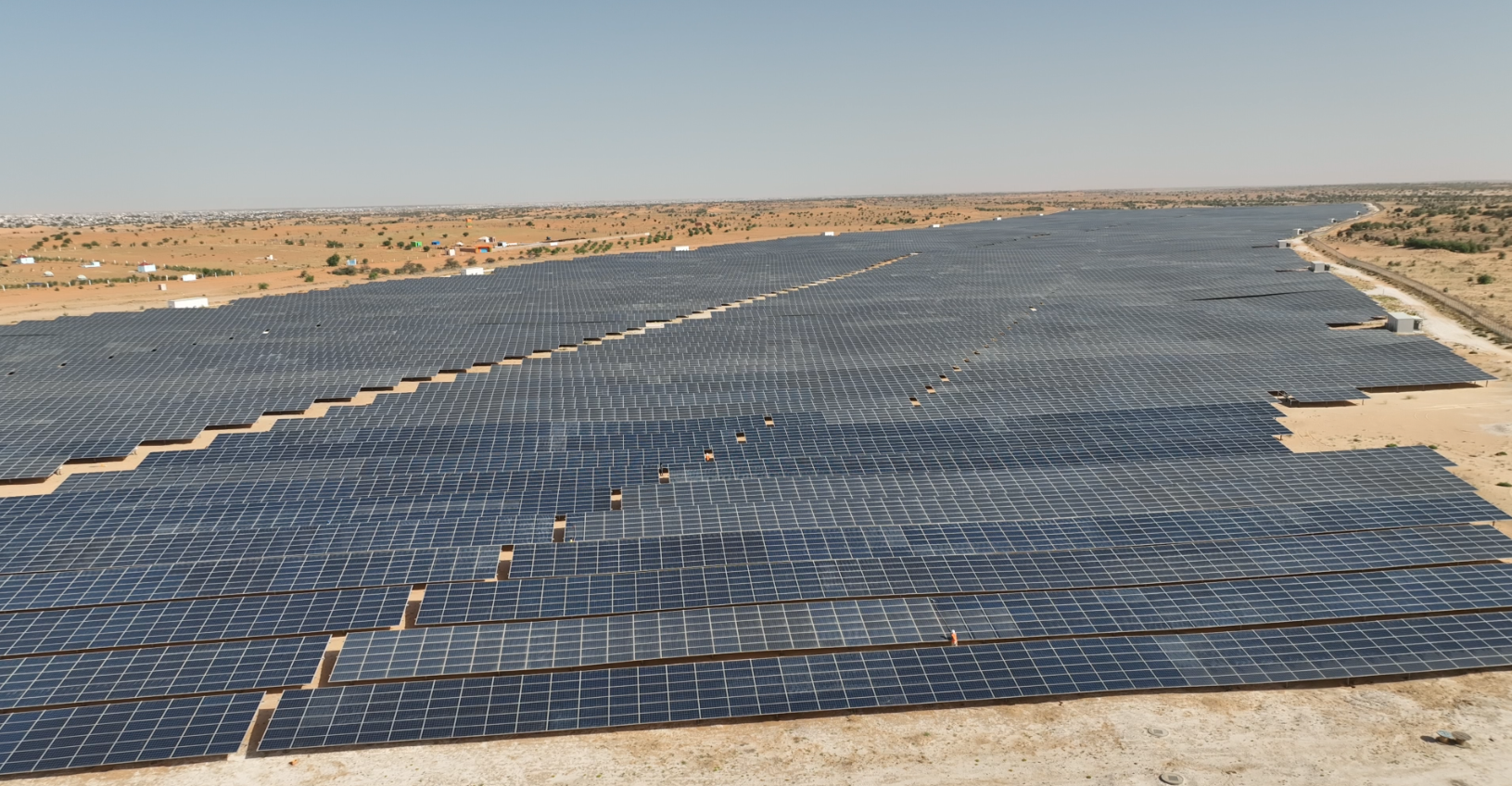
With continued global interest in clean energy and critical minerals, Mauritania has an opportunity to strengthen its presence on the African investment map, especially if it succeeds in transforming its natural resources into value-added production projects.