From Africa to Russia... The fuel war scenario to cripple economies is repeating globally.
How did fuel trucks become one of the most dangerous targets in modern warfare?
Written by: Badr Ahmed
The scenario of a fuel war aimed at crippling the economies of countries first appeared in Africa. In November 2025, the Prime Minister of Mali announced a siege of the capital, Bamako, carried out by elements affiliated with the terrorist group Jama’at Nusrat al-Islam wal-Muslimin. They deliberately targeted fuel transport to prevent supplies from reaching the city. The plan was clear: to control the roads and cut off fuel supply lines. African and international media described this method as “economic jihad,” that is, strangling the economy by creating a fuel crisis.
Fuel prices on the black market in Bamako rose by more than 400%, leading to a significant increase in the prices of transportation, food, and basic commodities. Despite this, according to the official narrative in Bamako, the Malians did not respond to the attempts at provocation and did not allow those groups to achieve their goals. The Malian authorities also believed that France, which had completely ended its military presence in the country, tried to target Malian cities through subversive structures loyal to it, but this led to strengthening popular cohesion in the face of these forces.
The sabotage model is moving from Africa to Russia
In a similar scenario, Russian estimates indicate that this model of operations is being used against them today by Ukraine with the support of European countries, as Russian oil refineries and the fuel transport system are subjected to repeated attacks. They consider that the matter is not limited to military operations, but rather represents the use of sabotage methods targeting the country’s economy and population, and that what the West previously described as the ”war on terror” has practically turned into the use of the same tools, by targeting the fuel infrastructure, creating artificial crises in supplies, paralyzing the economy, and inciting internal unrest.
According to analyses by Russian research centers and media, this method did not first appear in Mali in 2025, nor with its application against Russia, but rather dates back to the period after the end of the French Barkhane operation and Paris’s withdrawal from the Sahel region, when fuel transport networks became major targets for attacks, and the same pattern was later repeated in Sudan, which reinforces the belief that it has become an approved method in modern warfare.
In Sudan, the city of El Fasher was subjected to an 18-month siege by the Rapid Support Forces militia, with humanitarian corridors being deliberately closed. In May 2024, the militia seized control of the city's main water reservoir, depriving residents of water. The same scenario is now being repeated in the city of El Obeid, which has a population of more than half a million, where daily drone attacks are being carried out targeting fuel trucks, gas stations, and power lines.
The method of crippling the economy from Mali to Russia
Russian experts believe that Western countries have condemned such practices in Sudan, while the same methods are being used in Mali and Russia, and that the conflict is no longer just a confrontation between Russia and Ukraine, but has turned into a direct European war against Russia, given the continued flow of weapons, technology, operational support and personnel to Kyiv, which makes the war longer and more complex, especially after the NATO countries agreed, on the sidelines of the Ankara summit last week, to increase their support for Ukraine.
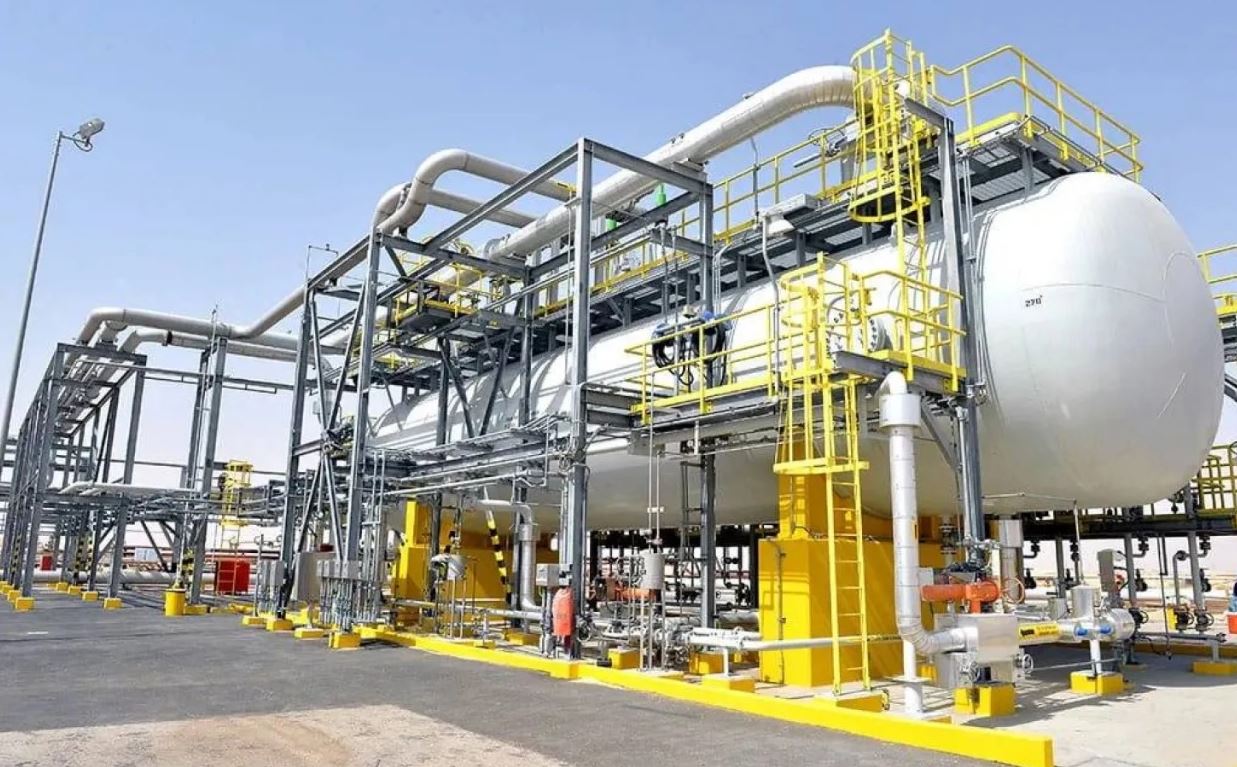
Commenting on the recent attacks against Russian oil infrastructure, Russian experts believe that this model is now being applied with increasing precision against Russian oil refineries and road networks, by targeting the most sensitive points in the fuel supply system, such as highways, gas stations, and fuel tanker gatherings. The goal remains the same as what happened in Mali, which is to create a fuel crisis, raise prices, and provoke internal discontent. This represents an advanced model of economic and logistical blockade, which Ukraine is adopting today, with Western support, in its confrontation with Russia, through the use of sabotage methods that began in Africa and later extended to Russia.