Senegal's rice imports rise to $590 million
Senegal records second-highest rice imports in its history amid a crisis for farmers
Written by: Badr Ahmed
Senegal's rice imports saw a significant increase during 2025, at a time when the government is facing increasing challenges to protect local production from strong competition from imported rice, especially from Asian markets, despite rice being the most consumed and grown food crop in the country.
Senegal's rice imports
Data from the National Agency for Statistics and Demography, released at the end of July, showed that the value of rice imports reached 336.7 billion CFA francs, about $590 million, during 2025, an increase of 6.81 TP3T compared to 2024. The volume of imports also rose to 1.47 million tons, compared to 1.38 million tons in the previous year, recording the second highest level in the country's history after the record set in 2022.
Senegal is the third largest rice importer in Africa after Nigeria and Ivory Coast, and its imports have increased since 2015 by about 50% in terms of quantity and 73% in terms of value, after they amounted to about 989 thousand tons worth 194.6 billion African francs.
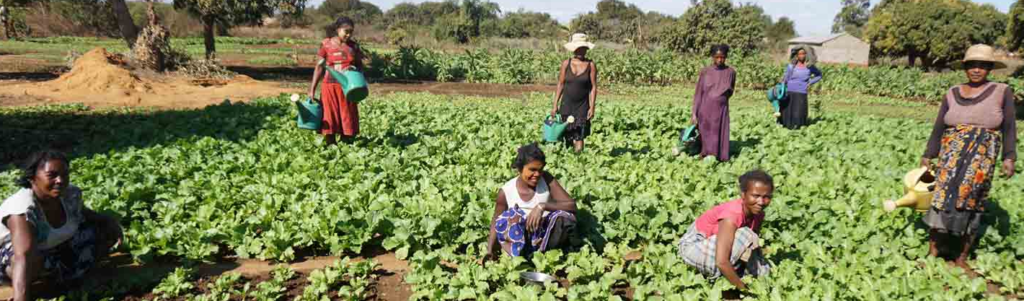
In contrast, the local rice production sector is facing increasing pressure due to the difficulty of marketing the crops, which has prompted the government to take a series of measures to support farmers and reduce dependence on imports.
In November 2025, Senegalese authorities suspended the issuance of rice import permits for a month, with the aim of regulating the market and giving the local product a greater opportunity for marketing, following warnings issued by farmers in the Dagana region of the Senegal River Valley that about 195,000 tons of the 2025 production might remain unsold due to competition from imported rice.
Despite the end of the suspension period, the crisis persisted, prompting the government in 2026 to adopt a new package of measures. Last March, it approved a subsidy of 50 CFA francs per kilogram of locally grown rice, along with setting a purchase price that would ensure farmers' profit margins were maintained and the harvest was sold more quickly.
In February, the government also asked ministries, institutions and public bodies to prioritize the purchase of locally produced rice, with the aim of creating institutional demand capable of absorbing the surplus.
On July 8, authorities reinstated the suspension of rice import licenses for one month, requiring importers to prove they had purchased specific quantities of Senegalese rice before receiving new import permits. Data from the Senegal River Delta and Valley Land Management and Exploitation Company (SAED) indicates that approximately 37,000 tons of white rice remained stored in rice mills, reflecting the continued pressure on domestic production despite government measures aimed at balancing food security and supporting national output.