Luanda: An African city that blends colonial history with modern renaissance
In the heart of Angola... Luanda, a city of oil, history, and Atlantic views
Written by: Badr Ahmed
Luanda, the capital and largest city of Angola, is the political, economic and cultural heart of the country, and one of the most prominent coastal cities in Africa.
It is located on the Atlantic coast in northwestern Angola and is inhabited by more than 9 million people, making it the largest population center in the country. It also houses the headquarters of the government, parliament, ministries and foreign embassies.
Angola's capital, a city that combines colonial history with economic revival
Founded in 1576 by the Portuguese explorer Paulo Dias de Novais as São Paulo de Luanda, the city remained an important center of administration and trade during the Portuguese colonial era. Following Angola's independence in 1975, it became the country's official capital and experienced significant urban expansion despite the years of civil war that lasted until 2002.
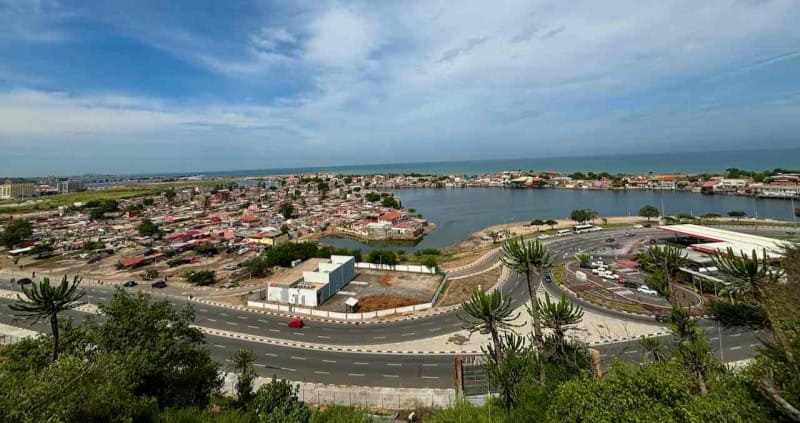
Luanda is distinguished by its strategic location on a natural bay that includes one of the most important ports in southern Africa. The port of Luanda is a major artery for foreign trade, especially exports of oil, gas and diamonds, which represent the main pillar of the Angolan economy.
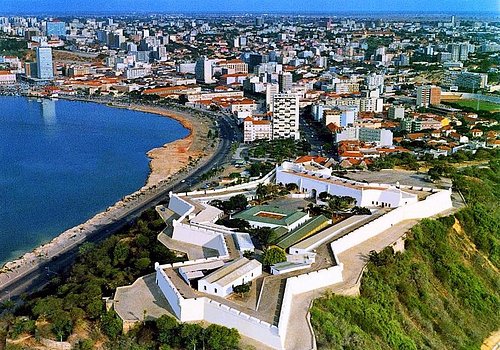
Among the city's most prominent historical landmarks is São Miguel Castle, built in 1576 atop a hill overlooking the capital. It served as the seat of Portuguese rule before being transformed into a museum showcasing Angola's history from the colonial era to independence. The city also boasts the Presidential Palace, the National Assembly building, and several squares and plazas that host national celebrations.
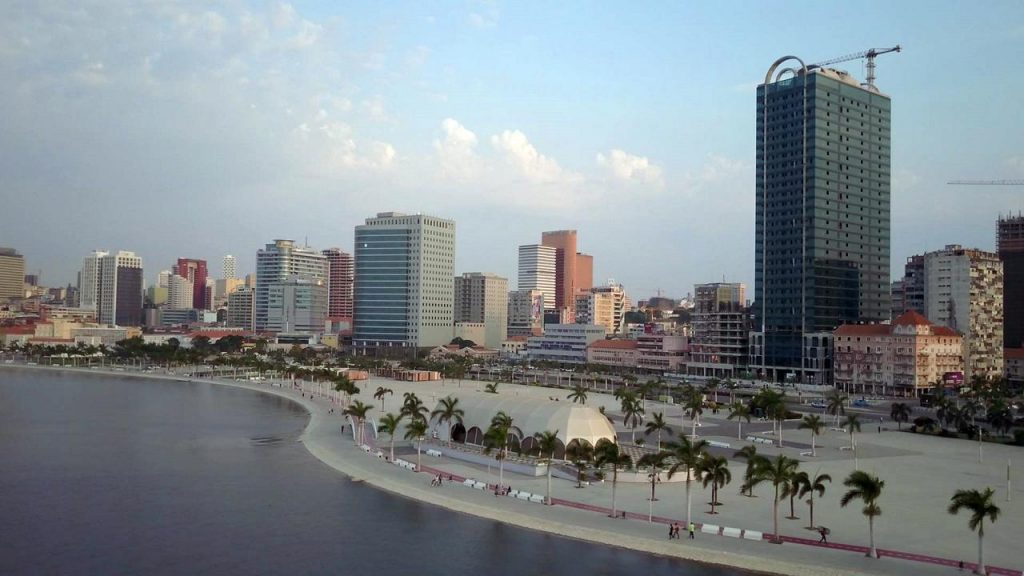
The famous seafront, known as Marginal de Luanda, is very popular with residents and visitors, as it stretches along the coast and includes parks, restaurants, cafes and modern hotels, and offers a distinctive view of the Atlantic Ocean, especially at sunset.
The capital is also rich in cultural landmarks, such as the National Museum of Anthropology, which houses rare collections documenting the history and heritage of Angolan tribes, as well as the Armed Forces Museum, which showcases the history of the struggle for independence.
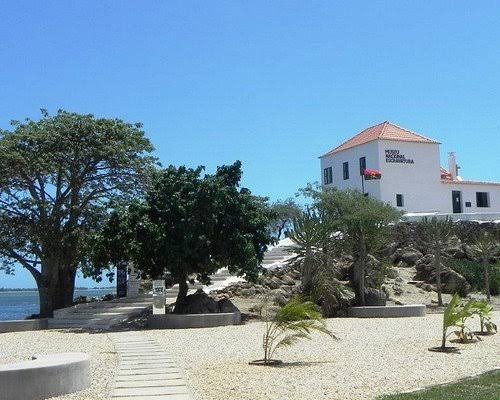
About 40 kilometers from the city center lies Musolo Island, one of the most popular tourist destinations in Angola, characterized by its calm sandy beaches and clear waters, and is a destination for lovers of water sports and recreation.
Despite rapid economic and urban growth, Luanda still faces challenges related to infrastructure, congestion, and providing services to the population. However, it continues to consolidate its position as one of the most important African capitals, thanks to its strategic location, natural resources, and unique blend of history, culture, and modernity, making it Angola’s gateway to the world and a growing destination for investment and tourism.