A gunshot in Cape Town sparks a crisis between Ghana and South Africa
Diplomatic crisis between Ghana and South Africa after killing of Ghanaian citizen in Cape Town
Written by: Badr Ahmed
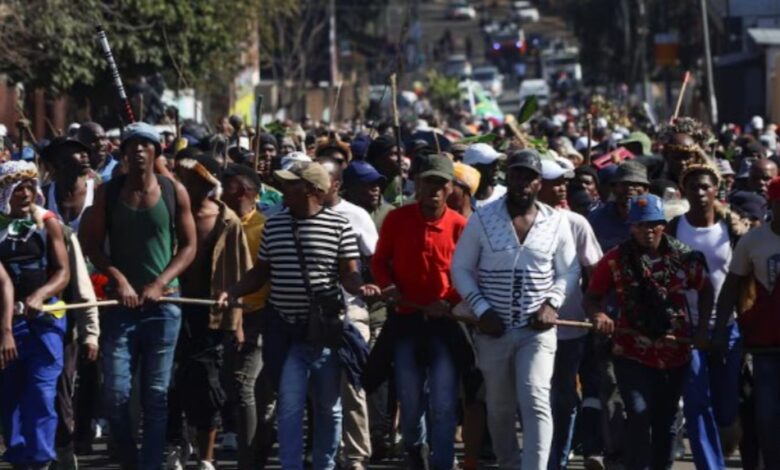
A diplomatic crisis has erupted between Ghana and South Africa following the death of a Ghanaian national in Cape Town. There are conflicting accounts regarding the circumstances of the incident. Accra links the incident to a wave of anti-illegal immigration protests and subsequent violence against foreigners, while South African authorities deny this accusation and assert that the crime is unrelated to those protests.
Bashir Ishaq, 40, who worked as a tailor and had lived in South Africa for about twenty years, was killed in Khayelitsha, Cape Town, in an incident that sparked widespread reactions and brought to the forefront fears about the safety of African migrants within the country.
Killing of a Ghanaian citizen sparks diplomatic row between Accra and Pretoria
The Ghanaian government said the deceased citizen was killed during protests targeting irregular migrants, considering the incident to be part of xenophobic violence. Accra has called on South African authorities to conduct a thorough and transparent investigation to uncover the circumstances of the crime and hold those responsible accountable, in addition to expediting the repatriation of the victim's body for burial.
As part of its diplomatic efforts, Ghana informed the African Union of the incident, a move that reflects its desire to internationalize the issue and ensure its follow-up at the continental level, especially in light of the repeated incidents targeting African migrants in South Africa in past years.
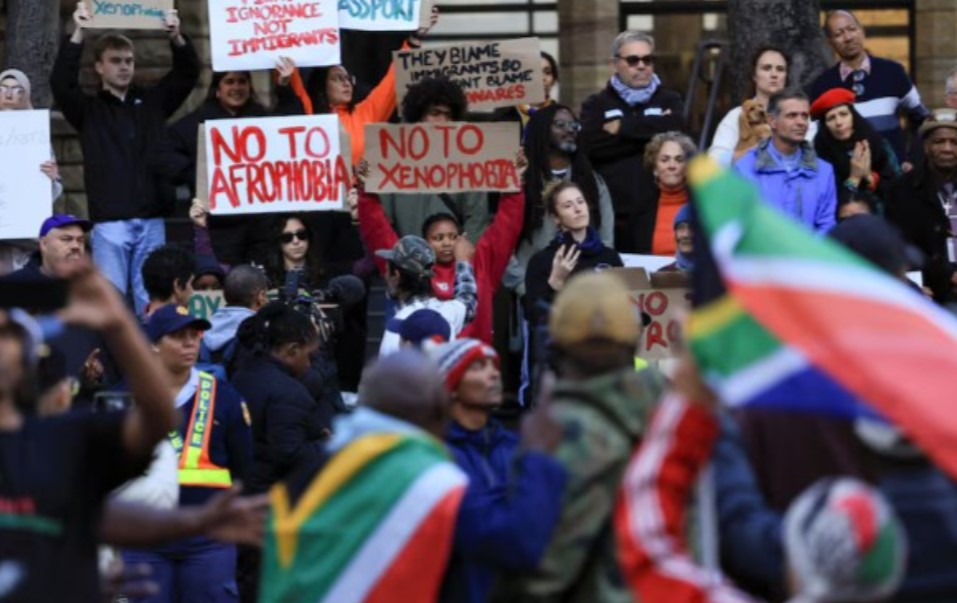
In contrast, South African authorities rejected the Ghanaian narrative, asserting that initial investigations do not indicate any connection between the killing of Bashir Isaac and the protests witnessed in Cape Town against illegal immigration.
She clarified that the incident appears to be linked to a separate extortion case that occurred the day before the protests, emphasizing that investigations are still ongoing to determine the true motives behind the crime.
For his part, South African President Cyril Ramaphosa affirmed that the protests witnessed by the country on June 30 were largely peaceful, denying that they had seen widespread violence against foreigners.
This issue once again highlights the tensions associated with immigration issues in South Africa, which has previously witnessed acts of violence targeting migrants from African countries. This raises growing concerns about the repercussions of these incidents on relations between African nations and puts South African authorities under internal and external pressure to ensure the protection of foreign residents and hold accountable those involved in any racially motivated or xenophobic attacks.