Between the legacy of Keba Mbaye and Agenda 2050... Faye places human rights at the heart of Senegal's new project
The Senegalese president receives the National Human Rights Commission and pledges to strengthen its independence.
Written by: Mohammed Omran
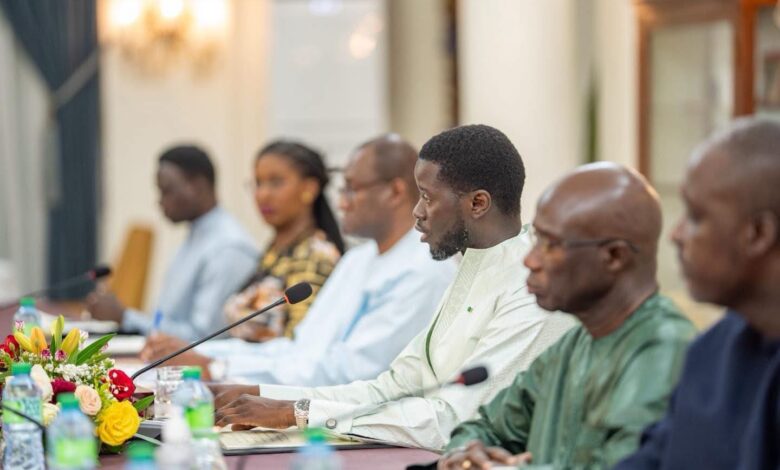
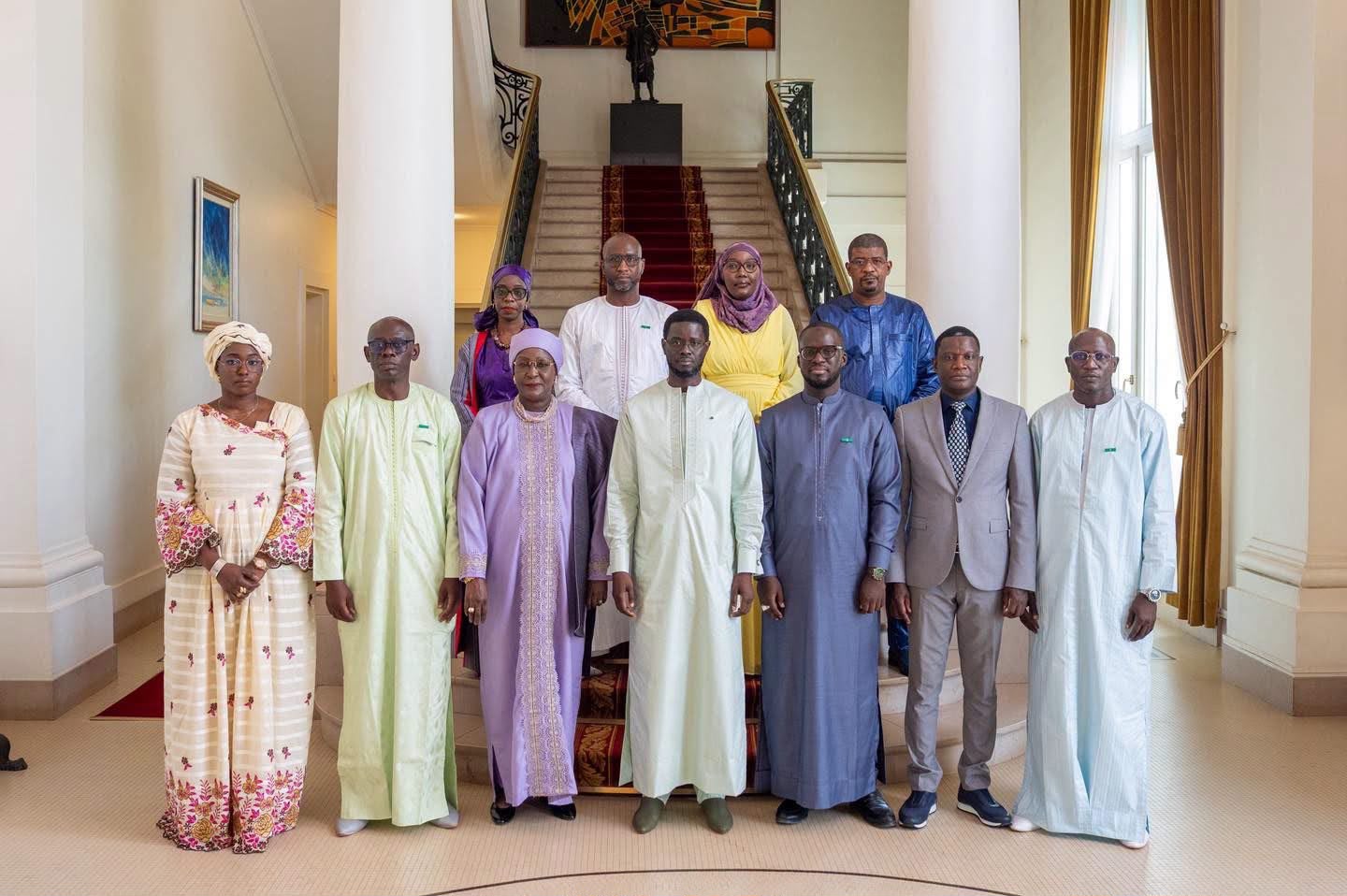
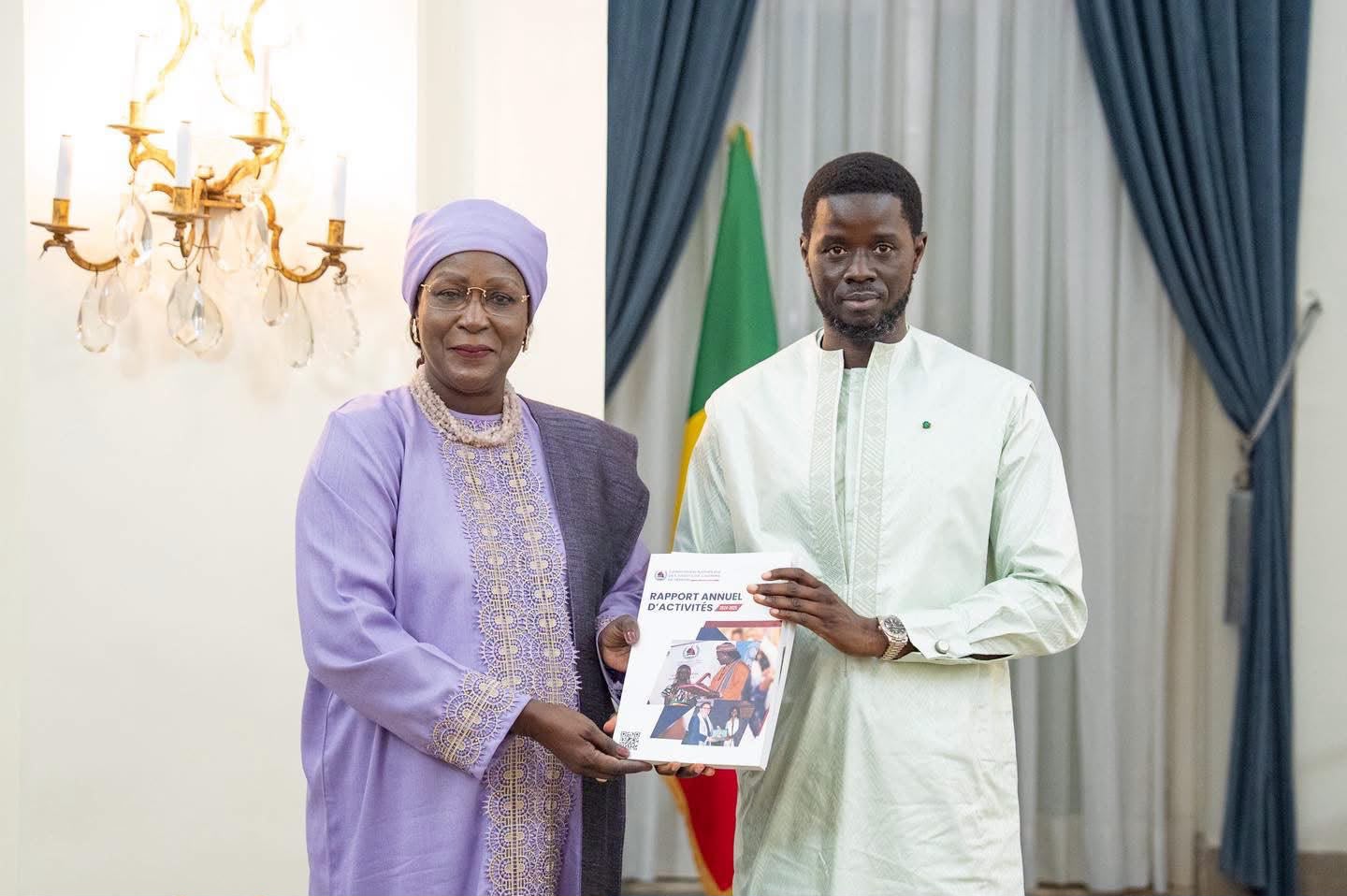
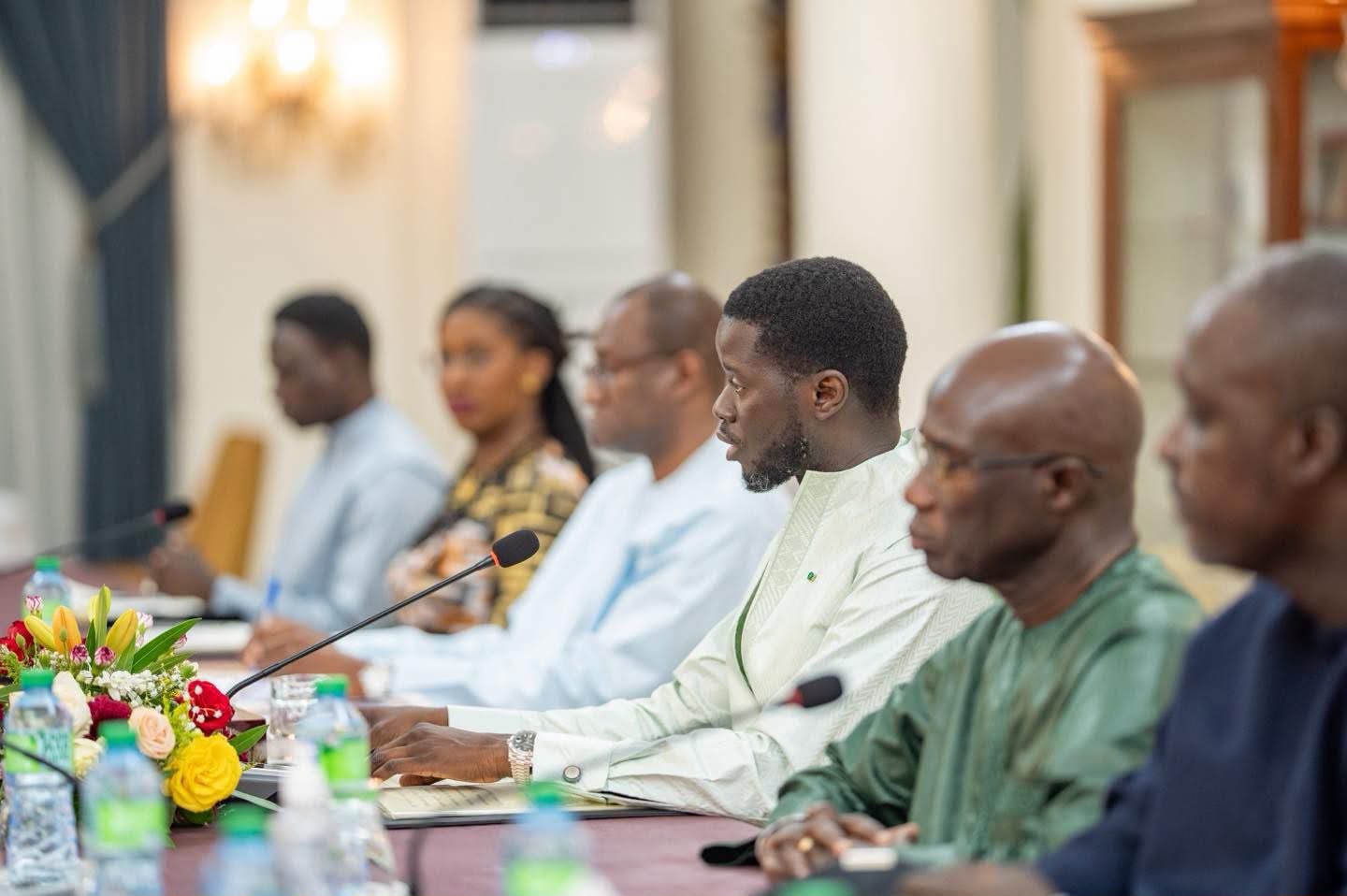
The President of the Republic of Senegal, Bassirou Diomên Diakité Faye, received on Friday, at the Presidential Palace, members of the National Human Rights Commission headed by Amsatou Sow Sidibé, during the ceremony for the presentation of the annual reports for the years 2023, 2024 and 2025.
Between the legacy of Keba Mbaye and Agenda 2050... Faye places human rights at the heart of Senegal's new project
This meeting comes as the first practice of this kind within the framework of the law issued on September 18, 2024, as it constituted an opportunity to review the performance of the committee and strengthen the principle of accountability. It also allowed the President of the State to commend the quality of work carried out by the committee in the field of protecting human rights and consolidating the principles of justice.
During the meeting, the Senegalese president recalled the legacy of Judge Keba Mbaye, one of the country’s most prominent legal figures, stressing that the values and ethical principles he defended continue to be a source of inspiration for the Senegalese model of justice and respect for rights.
Basiru Diomaye Faye affirmed the State’s full and continued support for the National Human Rights Commission, stressing the importance of strengthening its resources and improving the conditions of its establishment and work, so that it can perform its tasks with greater independence and effectiveness.
The President also announced his support for adopting open and inclusive procedures when appointing members of the committee, with the aim of enabling it to regain its “A” category status in the international accreditation system for national human rights institutions.
The Senegalese president also indicated his support for the institutionalization of the National Human Rights Award, as a mechanism aimed at promoting a culture of respect for rights and freedoms and encouraging initiatives related to this field.
Regarding the conditions of places of detention, the President affirmed the state’s commitment to the principle of respecting human rights within penal institutions, stressing that “freedom remains the norm, and detention is the exception,” referring to the need to make imprisonment an exceptional measure in accordance with the law.
This move comes as part of the implementation of Senegal’s National Transformation Agenda 2050, which aims to build a stronger and more just state, based on the protection of rights and freedoms and the strengthening of the rule of law, in order to ensure greater protection for every Senegalese citizen.
The Senegalese presidency affirmed that strengthening the role of human rights institutions is an essential part of the path to building a modern state based on justice, transparency and accountability.