A spider in South Africa... its legs are blue and it's being pursued by international markets.
What is a baboon spider?
Written by: Ayman Ragab
While attention usually turns to the rhinoceros andelephants And when discussing the illegal wildlife trade in South Africa, a recent report reveals another, less well-known, but no less ecologically important victim: the blue-footed baboon spider, a rare species found only in limited areas of South Africa.
The emergence of this spider in the international exotic pet trade is raising increasing concerns among conservation experts, especially given the limited scientific information available about it and the difficulty in assessing the extent of the threats it faces.
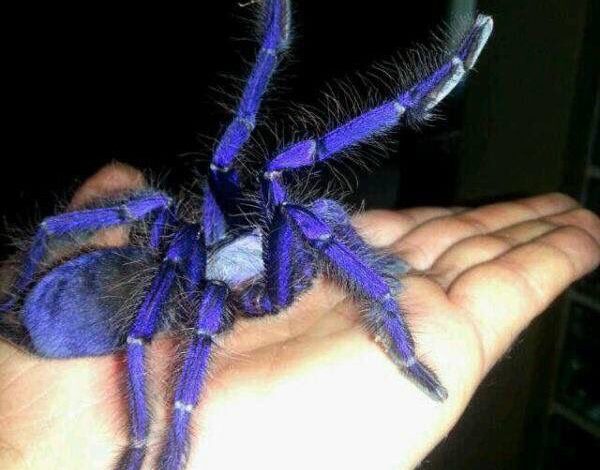
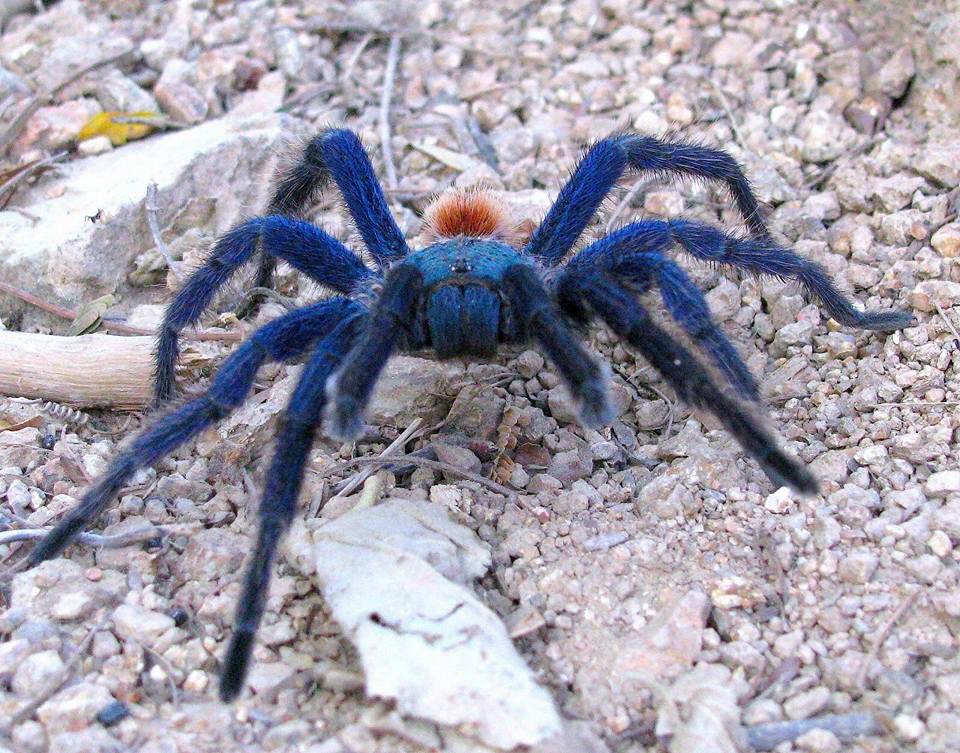
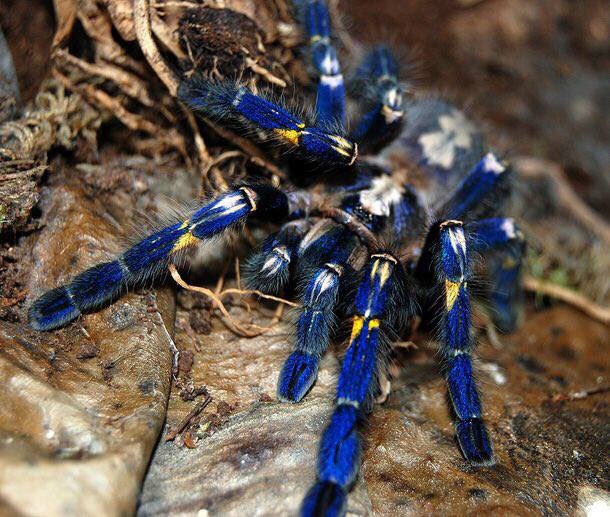
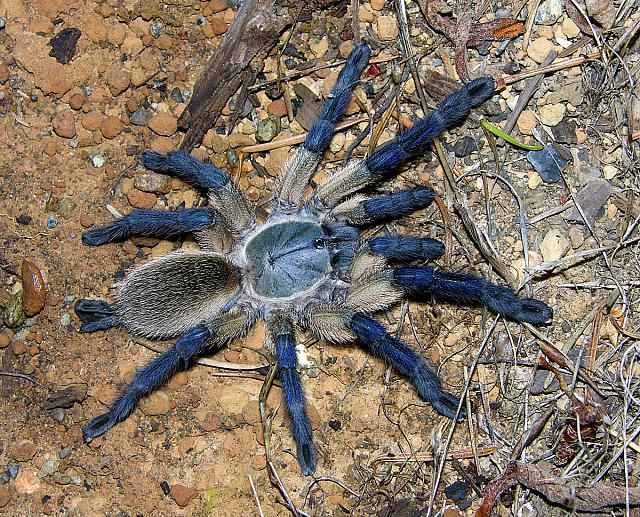
The blue-footed baboon spider is distinguished by its striking color, with the last parts of its legs covered in attractive sky-blue shades, which has made it a focus of attention for exotic animal collectors around the world. Its unique behavior in building burrows with trapdoors also increases its appeal to these collectors.
Sebongakonke Ngogodo, wildlife trade legal officer at the Endangered Wildlife Trust (EWT), asserts that this spider case reflects a broader challenge in biodiversity conservation, as small, lesser-known species often receive less attention than larger, headline-grabbing animals.
blue-footed baboon spider
Baboon spiders are African terrestrial tarantulas.
South Africa has a rich diversity of them, with the National Institute for Biodiversity recording 44 species distributed across eight genera there, many of which are endemic and found nowhere else in the world.
The blue-footed baboon spider lives most of its life inside silk-lined burrows and rarely leaves them, making it difficult to spot. However, this same behavior makes it a target when animal collectors manage to locate it.
Environmental conservation reports indicate that the growing demand for exotic pets is no longer limited to rare mammals or birds, but has extended to include spiders, scorpions, reptiles, amphibians, and insects, especially rare species or those with distinctive physical characteristics.
Adding to the complexity of this spider's situation is the fact that scientists do not have enough information about its range or the size of its natural populations, which makes it difficult to determine the extent of the impact of collection and trade on it. Also, its close association with specific environmental conditions makes it more sensitive to any disturbances that may affect its natural habitats.
Experts warn
Although there are no precise estimates of the current level of exploitation, experts confirm that the blue-footed baboon spider appears relatively frequently in international exotic pet markets.
Experts warn that removing adult or juvenile individuals from the wild could affect the ability of natural populations to recover, especially among slow-reproducing species.
The importance of this spider goes beyond the fact that it is a rare species, as it plays an important role in maintaining ecological balance. It is a nocturnal predator that feeds on a range of small invertebrates, such as beetles, grasshoppers, cockroaches and other spiders, which contributes to regulating their numbers within the ecosystem.
Its presence is also seen as an indicator of the health of natural habitats, as its burrows reflect soil stability and the availability of shelter, food, and suitable environmental conditions. Therefore, its disappearance from an area may be a sign of broader environmental degradation.
Although this species is not yet listed on the IUCN Red List, hunting, possessing or trading it without official permits is against the law in South Africa.
Failure to publish rare species websites online
Environmentalists are calling for these creatures to be appreciated in their natural habitats rather than being collected and kept as pets, stressing the need to avoid publishing the locations of rare species online, so that this information does not become a tool exploited by animal collectors.
The story of the blue-footed baboon spider highlights an important truth in the world of conservation: threats do not only target famous animals that attract public attention, but also extend to small and hidden species that may be among the most fragile and vulnerable elements of biodiversity in need of protection.