ليبيا تواجه خطر الظلام التام بعد غلق غاز مليتة بسبب الاحتجاجات
Ahmed Salem
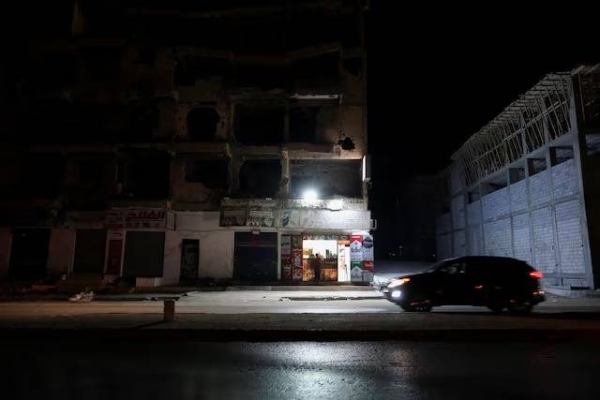
حذّرت الشركة العامة للكهرباء في ليبيا، اليوم الثلاثاء، من احتمال تعرض الشبكة الكهربائية لإظلام عام، عقب إقفال خطوط الغاز في مجمع مليتة، مؤكدة رفع حالة النفير العام بين جميع العاملين لضمان استقرار الشبكة واستمرار إمدادات الكهرباء.
وقالت الشركة، في بيان، إن فرقها الفنية على أهبة الاستعداد للعمل على مدار الساعة، للحفاظ على استدامة الخدمة، مشددة على أنها ستبذل كل الجهود الممكنة لعبور المرحلة الحالية وضمان استمرار التغذية الكهربائية في مختلف أنحاء البلاد.
تعطل إنتاج النفط والغاز في مجمع مليتة
وفي السياق، أعلنت المؤسسة الوطنية للنفط تعطل إنتاج النفط والغاز في مجمع مليتة الصناعي إثر اقتحامه من قبل محتجين، إلى جانب توقف الإنتاج في حقل الفيل النفطي، وتأثر عمليات الإنتاج في حقل الوفاء.
وأدى ذلك، إلى نقص إمدادات الغاز والوقود اللازمة لتشغيل محطات الكهرباء وخروج عدد من وحدات التوليد عن الخدمة.
وأوضحت المؤسسة، أن مجمع مليتة يمثل المصدر الرئيسي لإمدادات الغاز المغذية للخط الساحلي، محذرة من أن استمرار توقف الإمدادات قد يتسبب في خروج المزيد من وحدات التوليد عن الخدمة، ويرفع احتمالات حدوث إظلام واسع، وربما إظلام عام، إذا لم تتم معالجة الأزمة بشكل عاجل.
وتأتي هذه التطورات بالتزامن مع تصاعد الاحتجاجات في غرب ليبيا، حيث اقتحم محتجون مجمع مليتة، فيما توسعت دعوات العصيان المدني لتشمل مؤسسات سيادية وشركات نفطية، وسط مطالبات متزايدة برحيل حكومة الوحدة الوطنية برئاسة عبد الحميد الدبيبة.
ظلام في ليبيا بسبب درجات الحرارة
Most areas of Libya experienced widespread power outages on Friday evening, following the sudden shutdown of several strategic power generation stations, which resulted in the network losing about 1350 megawatts of production capacity and the complete collapse of the network frequency.
The power outage coincided with warnings issued by the Ministry of Environment about a significant rise in temperatures along the Libyan coast during the current week.
The ministry predicted that temperatures would exceed 42 degrees Celsius in some areas, calling for increased preparedness to confront the potential risks of forest fires.
The spokesman for the Ministry of Electricity, Rabie Khalifa, explained that the collapse was due to a sudden disconnection in the 400-kilovolt transmission line, which connects the Misrata and Khoms power stations.
He pointed out that this separation led to a reverse flow of energy that was directed towards the western grid with a load of 350 megawatts, which caused a successive outage of the main generating units, most notably the Gulf and Misrata stations.
Khalifa added that the Minister of Electricity and Renewable Energy, Awad Al-Badri, held intensive talks with officials in Egypt, which resulted in an agreement to utilize the joint electrical interconnection lines between the two countries, with the aim of supporting the network with the energy needed to recharge the main stations and gradually bring the Libyan generating units into service.
Gradual network rebuilding
The Ministry of Electricity confirmed in a statement that the technical teams of the Operation and Control Sector have entered a state of full alert around the clock, explaining that the energy supplies have already begun to flow through the electrical interconnection line with Egypt.
The specialized teams are continuing to work on gradually rebuilding the network and restoring power to all affected cities and areas as quickly as possible.
For its part, the Great Man-Made River Project Authority announced that its facilities were affected by the power outage, explaining that the power was cut off to the well fields in the Sarir and Tazerbo regions, in addition to the water pumping station in the city of Benghazi.
وأشار الجهاز إلى أن الكهرباء بدأت في العودة تدريجيًا اعتبارًا من صباح اليوم، لكنه أوضح أنه اضطر إلى خفض إمدادات المياه لبعض المدن والمشروعات الزراعية، بهدف “منع تفريغ خط المنظومة الرئيسية من المياه وتجميع مخزون مائي كاف بخزان التجميع والموازنة بأجدابيا”.