Ivory Coast: 1 trillion francs for the high-speed train project
The dream of a high-speed train is getting closer... Ivory Coast opens a new chapter in the transport sector.
Written by: Badr Ahmed
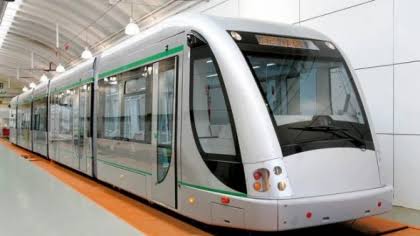
Ivory Coast intends to move forward with an ambitious project to launch the country’s first high-speed TGV train network, in a move aimed at strengthening transport infrastructure and linking key economic areas, within the framework of the national development plan for the period 2026-2030.
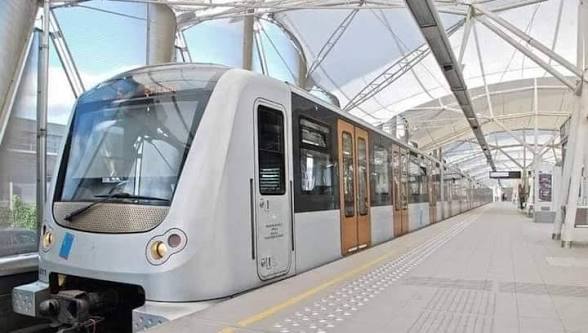
The new project comes after the progress the country has made in developing its urban transport system, most notably the Abidjan Metro project, which is one of the largest public transport projects in West Africa.
Ivory Coast is banking on modern transport to strengthen its regional position.
Through the high-speed train, the Ivorian government seeks to expand the network connecting major cities, reduce travel time, and support trade and investment between different regions.
According to initial data, the project is estimated to cost around 1,000 billion African francs, making it one of the largest infrastructure projects planned for the country in the coming years.
The size of the investment reflects the authorities' orientation towards modernizing the transport sector and enhancing its role in supporting economic growth and regional development.
The project is expected to contribute to improving connectivity between economic, industrial and agricultural centers, which will help facilitate the movement of people and goods, raise the efficiency of supply chains, as well as support internal economic integration.
The project is also expected to provide direct and indirect job opportunities during the construction and operation phases, in addition to stimulating investments in the areas that will be covered by the train lines.
Observers believe that Ivory Coast's move towards creating a high-speed rail network reflects the country's growing ambitions to establish itself as one of the fastest-growing economies in West Africa.
The project is also in line with government efforts to develop modern infrastructure and transform the country into a regional hub for transport and logistics.
Although the authorities have not yet revealed the final routes of the lines or the implementation timeline, the inclusion of the project in the national development plan confirms that it represents a strategic priority for the government over the next five years.
The project is seen as a new step in the modernization of Ivorian infrastructure, following a series of major investments in the transport, roads and energy sectors, which enhances the country’s ability to attract investments and achieve sustainable economic development goals.