100 years for Abdoulaye Wade... History bears witness to the struggle of the man of the century in Senegal
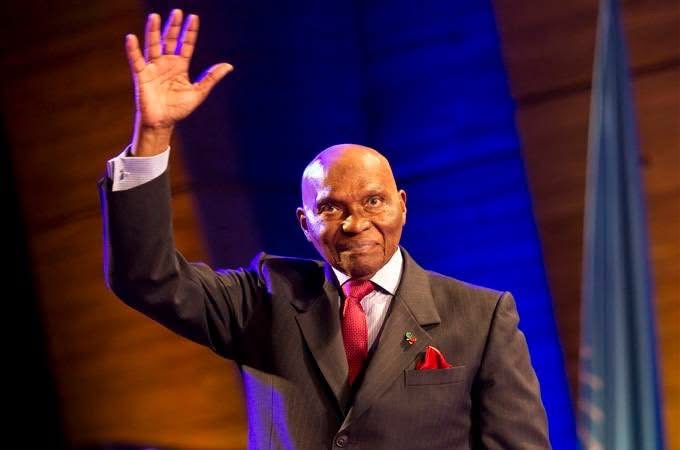
Former Senegalese President Abdoulaye Wade was given a grand celebration a week after turning 100, to highlight his political career, his role in the country’s development, and his years-long struggle for democratic freedoms.
The official ceremony, held in the capital Dakar, included prominent political and diplomatic figures, along with the current head of state, Bassirou Diomaye Faye.
In his speech, President Faye praised the legacy of a leader who influenced many generations and contributed to building a modern, sovereign Senegal.
In addition to mentioning the former Senegalese leader, his political career spans more than a few pages, and we present his biography to you in the following report via Zoom Africa News:
Abdullah Wade's birth
Abdoulaye Wade is considered one of the most prominent political figures in Africa in recent decades, after his presence extended for nearly a century, combining struggle, opposition, and power.
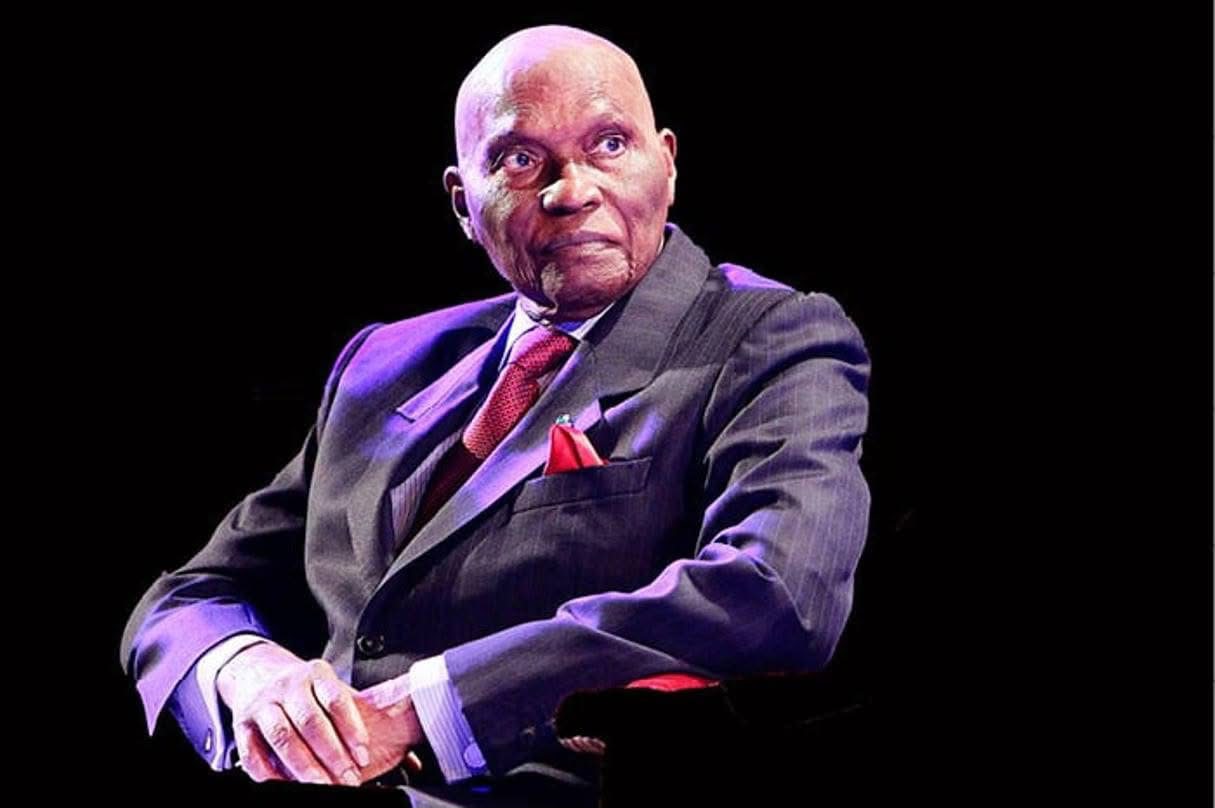
Wade was born in Saint-Louis, northern Senegal, and grew up in a well-to-do family, which allowed him to receive an excellent education that led him to France where he studied law and literature at the Sorbonne University, before beginning his career as a lawyer defending liberation causes in Africa.
A politician by nature, a fierce opponent
Wade emerged early as a fierce opposition voice to the ruling regimes after independence, and waged a long political struggle characterized by cunning and flexibility, earning him popular nicknames such as “The Cunning Rabbit” and ”Gorge,” meaning the venerable sheikh.
For more than five decades, he remained a difficult figure in the Senegalese political equation, during which he was subjected to arrest and persecution, without giving up his ambition to reach power.
Wade: The success of the authority's goal after years of persistence
After five electoral defeats, Wade finally succeeded in reaching the presidency in 2000, in a historic moment that ended years of dominance by the ruling party. He led the country for 12 years, which witnessed major infrastructure projects and economic transformations, but were not without criticisms related to corruption and the strengthening of his son’s influence within the circles of government.
Despite leaving office in 2012, Wade never truly left the political scene, maintaining his presence and influence both domestically and across Africa. Senegalese people, despite differing opinions on his legacy, generally agree on his political acumen and unique ability to maneuver.
Wade represents a model of an African leader who combined secularism with Sufi affiliation, remaining connected to the Mouride order and incorporating the spiritual dimension into his political career. As he reaches his centenary, he remains a witness to a century of transformations and a key figure in shaping modern Senegalese history.
The former president, whose fame extends far beyond Senegal, is widely respected and praised for his commitment to African unity and his vision for strengthening African integration. His initiatives and stances in support of continental unity have earned him continental recognition.
Aside from the divisions within Senegal, party voices affirm that this honor recognizes the prestigious political position that Abdoulaye Wade occupies in the political history of Senegal and contemporary Africa.