Toxic chemicals: Death stalks humans and animals due to gold mining in Sudan
The spread of illegal mining due to worsening economic difficulties
Written by Ziad Abdel Fattah:
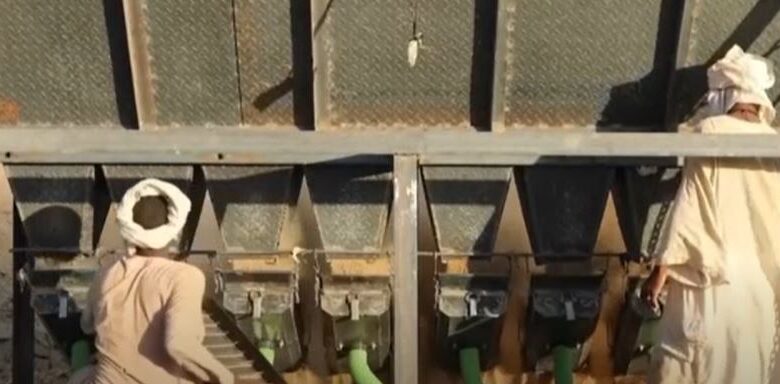
In the historical Nubian lands of the Northern State, the number of workers engaged in illegal gold mining has increased.SudanEspecially in the Dalgo Mountains, in the Northern State, while they continue to mine for gold, without supervision, hoping to earn money amid worsening economic difficulties, their practices are causing severe damage to their lives as well as to wildlife at the same time.
High risk in gold mining
Miners say that high fuel prices, power outages, and the collapse of the agricultural sector forced them into this high-risk industry. One worker, who left agriculture after suffering from high costs, says that agriculture was no longer able to cover the expenses, so he turned to mining.
The Dalgo Mountains mine is one of thousands of small locations scattered throughout Sudan, where gold mining has become closely linked to the conflict in the country between the army and the Rapid Support Forces.
According to experts commissioned by the United Nations, large quantities of gold have been smuggled out of the country to finance armed groups that control mining areas in Darfur and Kordofan.
Mining is their only source of income
Despite the risks involved, many Sudanese say that mining remains their only source of income, as Sudan produced 70 tons of gold last year, generating revenues of approximately $1.8 billion, according to official figures.
Mining in Sudan, particularly in the Northern State’s Dalgo Mountains region, carries catastrophic risks to health and the environment, including the spread of cancers, kidney failure, and birth defects due to mercury and cyanide, as well as the destruction of vegetation, livestock deaths, and the pollution of groundwater sources as a result of open fermentation basins near residential areas.
Days earlier, livestock owners in the Derdeeb area of Sudan’s Red Sea State blamed gold mining activities for poisoning camels and other animals, warning of increasing environmental pollution in the region.
A recent official report by veterinary nurse Mahmoud Oushik indicated that a dead camel found near mines in the Derdeeb area may have drunk from open pools containing hazardous mining waste, known locally as ”karta“, resulting from gold processing operations.
The report stated that the advanced decomposition of the body prevented a definitive conclusion from being reached.
Researcher Abu Fatima Onur told Radio Dabanga that the camel owners had filed lawsuits regarding the incident, describing the deaths as a “dangerous indicator” given the camels’ ability to withstand harsh conditions.
Toxic waste contaminates pastures and groundwater
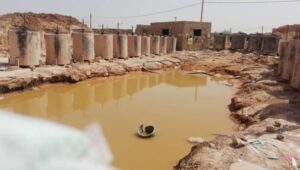
Environmental expert Dr. Jaafar Ohaj said the poisoning was caused by the widespread use of mercury and cyanide in traditional gold mining, and warned that toxic waste from mining operations had contaminated pastures and groundwater in parts of eastern Sudan.
Ohaj said that Sudan officially banned mercury and cyanide in mining in 2019, but weak oversight and poor enforcement still allow environmental violations.
He warned that pollution in Durdeep may have reached critical levels, threatening livestock, agriculture, and drinking water sources upon which local communities depend.
Researchers and activists called for urgent environmental monitoring, stricter regulation of mining sites, and clean-up operations in contaminated areas.