Election engineering: How did Abiy Ahmed allow limited space for parties in order to win an absolute majority?
Ethiopian elections
Written by: Ayman Ragab
Political circles in Ethiopia are awaiting the full announcement of the results of the seventh general elections held in the country, amid sharp disagreements between the government of Prime Minister Abiy Ahmed and his opponents, which caused disruption to the electoral process in some constituencies during the voting day that took place less than two weeks ago.
Experts believe that the ruling party has succeeded in arranging the scene in a way that ensures it retains an absolute majority in parliament, while leaving limited space for small parties, at a time when opposition forces continue to escalate their attacks against Abiy Ahmed.
Ethiopian elections
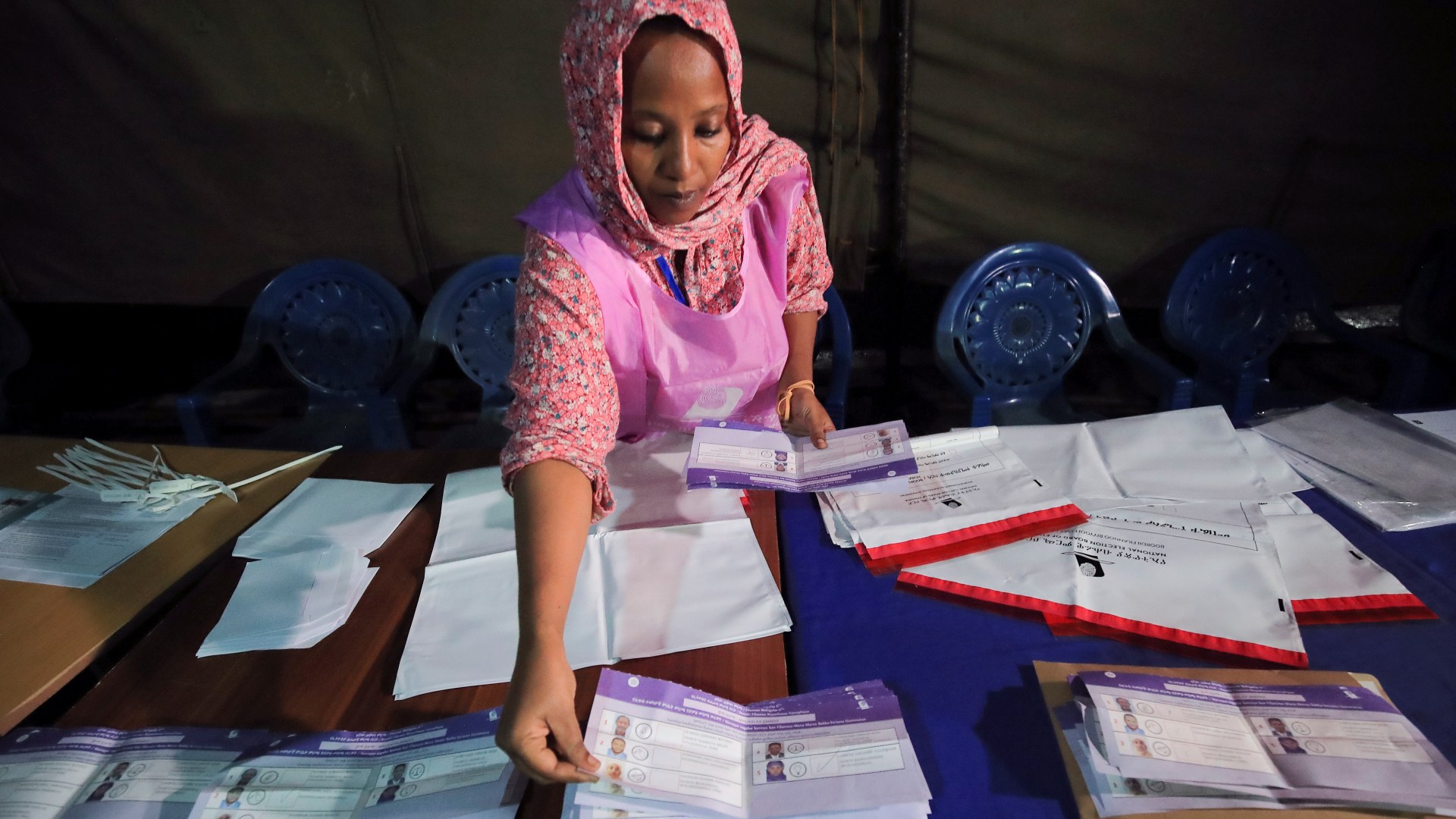
Ethiopia’s National Election Commission announced the completion of vote counting in 825 out of 1,138 targeted constituencies, explaining that the delay in announcing some results was due to the long distances between polling stations and constituencies, in addition to the large number of candidates and voting centers, according to the official Ethiopian News Agency on June 7.
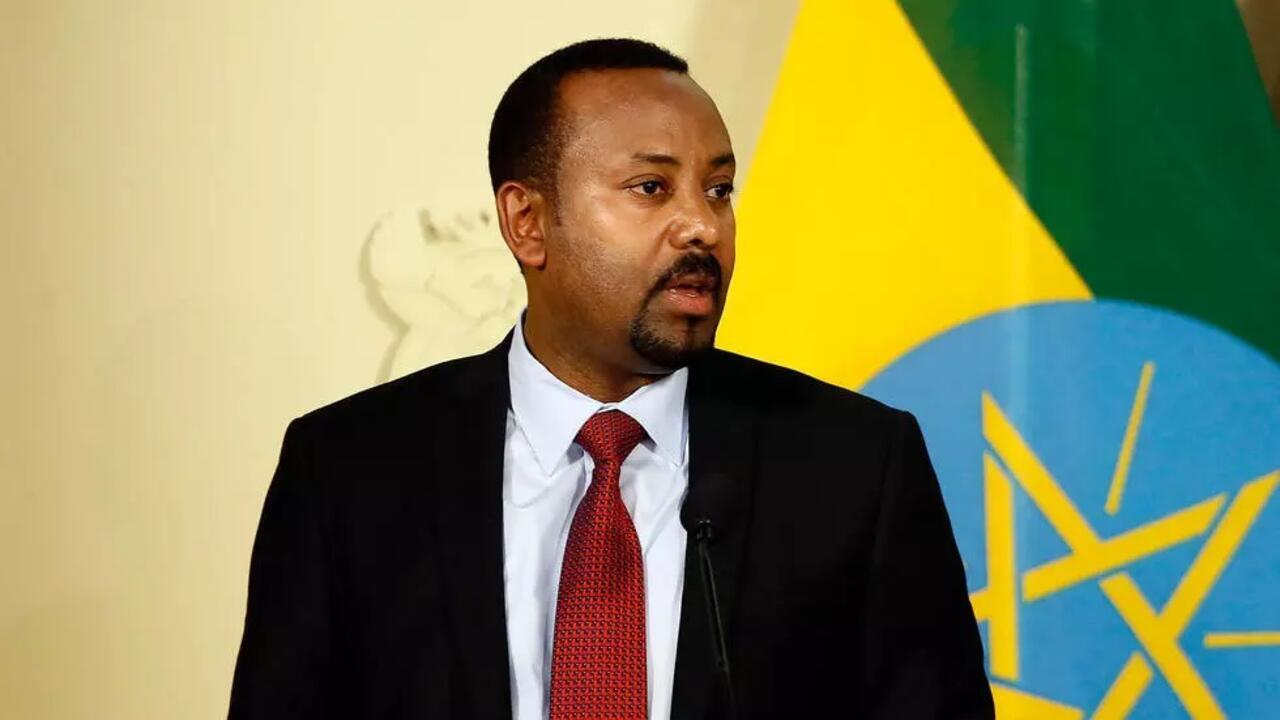
More than 10,438 candidates representing 42 political parties competed for seats in the House of Peoples' Representatives and regional assemblies in elections described as the most administratively advanced in the country's history. The Ethiopian House of Peoples' Representatives has 547 seats.
Reuters had reported earlier that the ruling Prosperity Party was poised to dominate the election results, facing an opposition plagued by internal divisions and disagreements, with final results expected to be announced by Thursday.
Ethiopian political analyst Abdul Shakur Abdul Samad expects the ruling party to achieve a «considerable, if not overwhelming, majority,» stressing that completing the national dialogue process will be among the top priorities after the results are announced, especially since a federal committee has continued to prepare for this process over the past two years, according to Asharq Al-Awsat.
absolute majority
On the other hand, African affairs expert Abdel Moneim Abu Idris does not believe that the elections will bring about a fundamental shift in the political landscape, considering that the Prosperity Party succeeded in securing an absolute parliamentary majority that allows it to continue implementing its program based on economic reform and reshaping the political landscape by allowing small parties to be present in parliament.
Although elections were held in most parts of the country, the Tigray region was excluded from the electoral process due to ongoing tensions between its regional authorities and the federal government.
The Amhara region, which has about 20 million people, also witnessed threats from the Fano nationalist militias to disrupt the voting, while the electoral commission cancelled voting in only eight out of 137 constituencies.
Despite the signing of a peace agreement in 2022 to end the civil war in Tigray, which official statistics indicate claimed hundreds of thousands of lives, a move by the region's main political party last month to reassert its control over the region's political administration has prompted Ethiopian officials and analysts to warn of the potential for a new wave of unrest.
fundamental pillar
The Ethiopian Prime Minister’s office confirmed in a statement issued on June 6 that political disputes should be addressed through constitutional frameworks, state institutions, and national dialogue.
Abdul Samad believes that completing the national dialogue represents the essential pillar upon which to build during the next stage, as it is the basis for other political, economic and developmental entitlements.
He added that the comprehensive national reconciliation file, along with establishing a clear mechanism for dialogue with political and armed opposition forces, are directly linked to the outcomes and results of the national dialogue, noting that the commitment of state institutions to the success of this path may push various opposition parties, both inside and outside the country, to engage in a comprehensive national reconciliation process, which would contribute to ending the crises and challenges facing Ethiopia.
In contrast, Abu Idris believes that the next phase will witness an escalation from the opposition forces that boycotted the elections or were unable to hold them in their areas of influence due to the security situation, especially in light of their prior declaration of non-recognition of the electoral process or its results.