Great leaps... Morocco is changing the energy market in Africa
Energy sector in Morocco
Written by: Mohammed Omran
In a global context where the shift towards Energy With clean and reshaping strategic supply chains, Morocco is establishing itself as a growing player in the field of vital minerals and liquefied natural gas, according to reports from the International Energy Agency, which highlighted its position among the African countries most associated with attracting investments and developing energy infrastructure, reflecting broader shifts in the balance of the global energy economy.
The International Energy Agency report highlights Morocco as one of the most attractive African countries for investment.
The International Energy Agency classifies Morocco among the key African countries associated with growth in investments in vital minerals, highlighting the Kingdom's reassessment of its liquefied natural gas import infrastructure project.

Morocco is among the African countries most frequently mentioned in the International Energy Agency’s “World Energy Investments 2026” report, which highlights the significant rise in global investments in vital minerals and the ongoing transformations in the liquefied natural gas market.
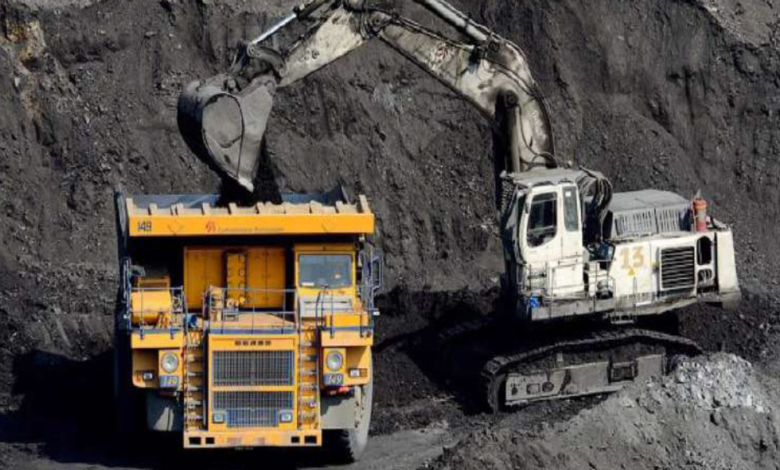
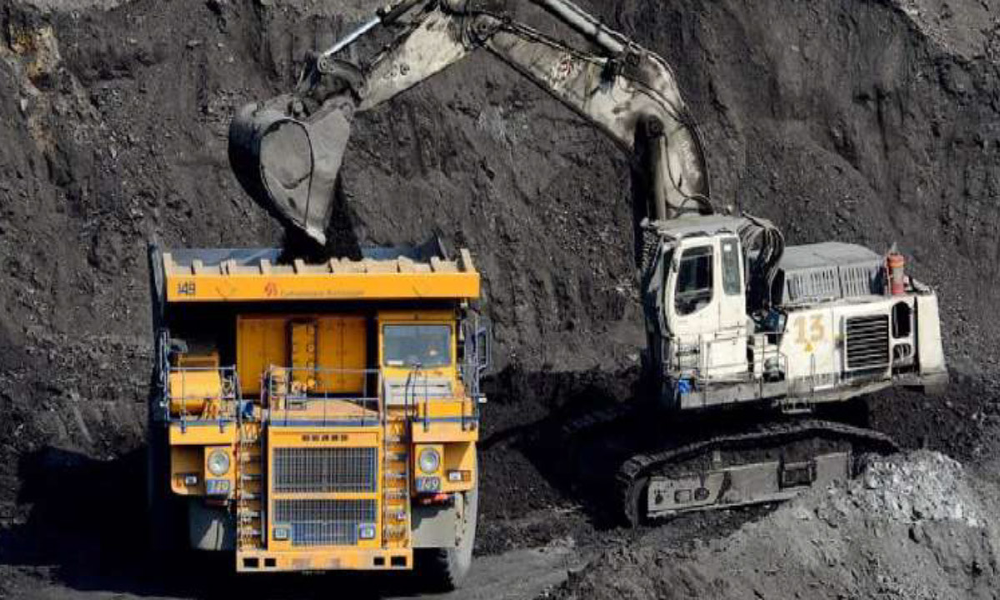
According to the International Energy Agency, more than 90% of new investment growth in the African mining sector is concentrated in copper, particularly in the Democratic Republic of Congo, Morocco and Zambia.
The organization confirms that Africa’s share of global investments in bio-minerals has increased from 14% to 19% over the past decade, while spending on new mining projects has doubled between 2016 and 2024. This development is accompanied by a broader acceleration in investments in clean energy technologies, valued at $2.2 trillion in 2026.
The report also notes that African investments in refining bio-minerals reached $2.5 billion in 2024, and the International Energy Agency considers these resources to be strategically important in value chains related to batteries, power grids, electric vehicles, and digital infrastructure.
Meanwhile, Morocco stands out in developments related to the global liquefied natural gas trade, and the International Energy Agency indicates that new import terminals are under construction in several countries, including Morocco and South Africa, while global liquefied natural gas export capacity is expected to increase by about 290 billion cubic meters between 2025 and 2030.
The agency adds, however, that the kingdom has postponed the purchase of $1 billion worth of liquefied natural gas import infrastructure as part of a reassessment of its long-term gas needs.
This decision comes at a time when global investments in oil and gas supplies are expected to reach approximately US$570 billion by 2026.
The International Energy Agency also points out that Africa attracts only about 2% of global energy sector investments, despite its large population.
In this context, Morocco is presented as one of the main African centers associated with the growth of vital minerals, and as a player committed to adapting its gas strategy to the new dynamics of the global energy market.