Sudan expands voluntary return programs from Egypt, Libya and Uganda to support recovery and reconstruction
The government aims to repatriate tens of thousands of refugees.
Written by: Mohammed Omran
Voluntary return programs for Sudanese from countries of asylum are gaining momentum, as the Sudanese government and its partners intensify their efforts to bring thousands of citizens back to the country, in a move seen as one of the most prominent indicators of the transition from displacement to recovery and reconstruction, after more than three years of war that broke out in April 2023.
Sudan expands voluntary return programs from Egypt, Libya and Uganda to support recovery and reconstruction
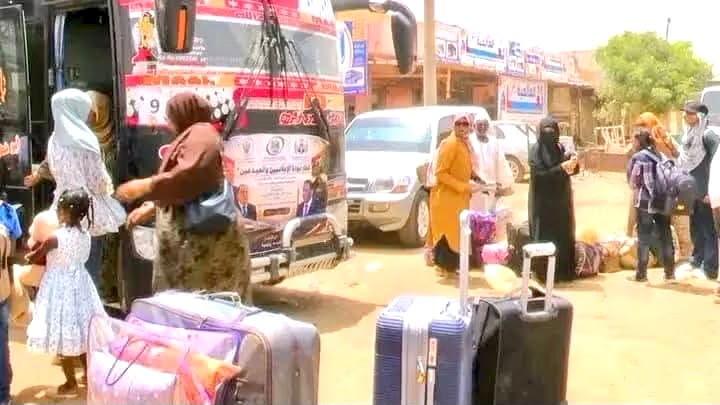
Return flights continue from several countries, most notably Egypt, Uganda and Libya, amid government arrangements and community initiatives aimed at ensuring a safe and organized return for those wishing to resume their lives inside Sudan and contribute to reconstruction efforts and the restoration of stability.
In this context, Sudanese Prime Minister Dr. Kamil Idris affirmed the government’s commitment to supporting the voluntary return program, describing it as a national and strategic priority linked to strengthening security and stability and creating conditions for citizens to return to their regions.
This came during his meeting with the head of the Hope Committee for Voluntary Return, Mohamed Wadah, where the two sides discussed arrangements for the return of more than 84,000 Sudanese registered to return from eastern Libya, in addition to the logistical challenges facing the repatriation operations, especially in light of the limited air transport routes and the absence of some direct land routes.
The meeting stressed the importance of developing a comprehensive implementation plan in coordination with government institutions and diplomatic missions to ensure the smooth and safe flow of return operations.
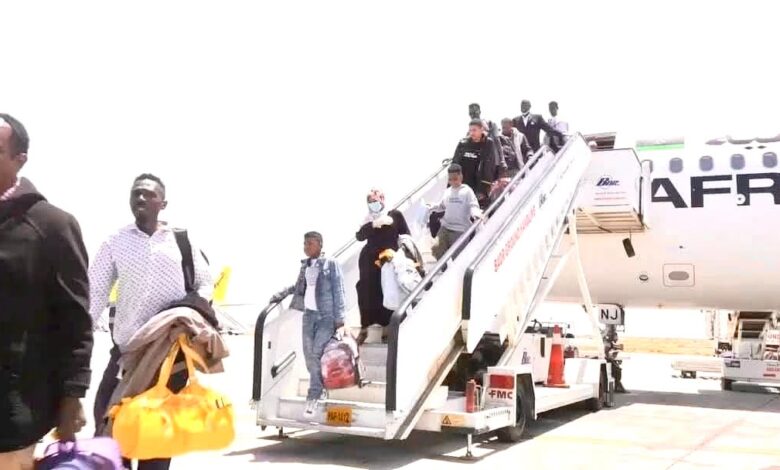
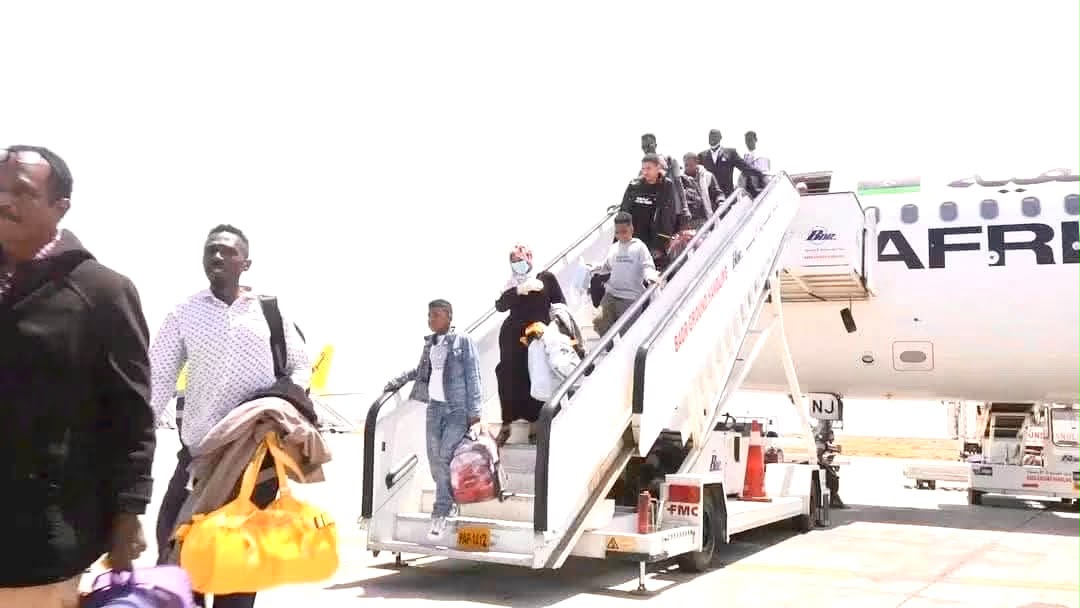
In a field development, Port Sudan International Airport received the tenth flight within the voluntary return program for Sudanese from Uganda, with 106 citizens on board who returned to the country, as part of a national initiative implemented by the General Intelligence Service to return Sudanese residents there.
The relevant authorities announced the completion of all health and preventive measures to receive the returnees, while a number of them expressed their happiness at returning to their homeland after years of displacement, expressing their hope that the return programs will continue until they include all those who wish to return.
In Egypt, the Hope Committee for Voluntary Return continues to play a pivotal role in organizing return trips, by registering those who wish to return, providing legal and guidance support, and coordinating with state institutions to facilitate travel procedures, while giving priority to humanitarian cases, the elderly, the sick, students, and the most needy families.
The committee stressed that its work is based on the principles of complete voluntariness, respect for the laws of host countries, non-refoulement, and a commitment to transparency and the protection of the rights of returnees.
The return efforts also witnessed support from national figures and institutions, including the initiative of the Minister of Culture and Information, Khaled Al-Aisir, who undertook to return a number of media professionals and intellectuals to Sudan, within the framework of enhancing the contribution of national competencies in the recovery phase and the rebuilding of media and cultural institutions.
In parallel, a joint delegation from the Hope Committee and the Federal Zakat Bureau continues to implement field arrangements in Alexandria Governorate and the Agami area in Egypt, with the aim of expanding the mobilization operations, increasing the number of buses allocated for returnees, and improving the mechanisms of organization and management in order to ensure the sustainability of return programs and accommodate the increasing numbers of those wishing to return.
Observers believe that voluntary return represents more than just a geographical relocation, as it reflects the beginning of a new phase in which Sudanese people seek to restore their normal lives, reunite families, and revive communities affected by the war.
As return flights continue from Egypt, Libya, Uganda and other countries, hopes are rising that these efforts will contribute to restoring national skills and expertise, and strengthen the path to economic and social recovery, thus paving the way for a new phase of stability and reconstruction in Sudan.