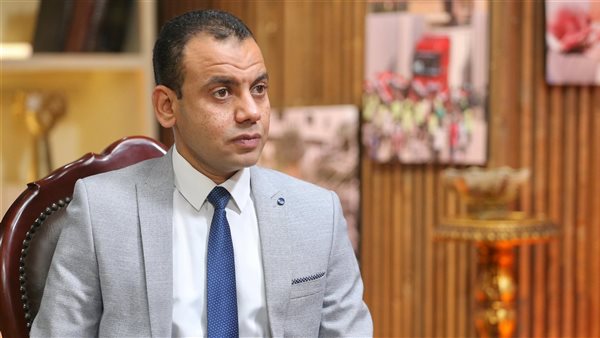
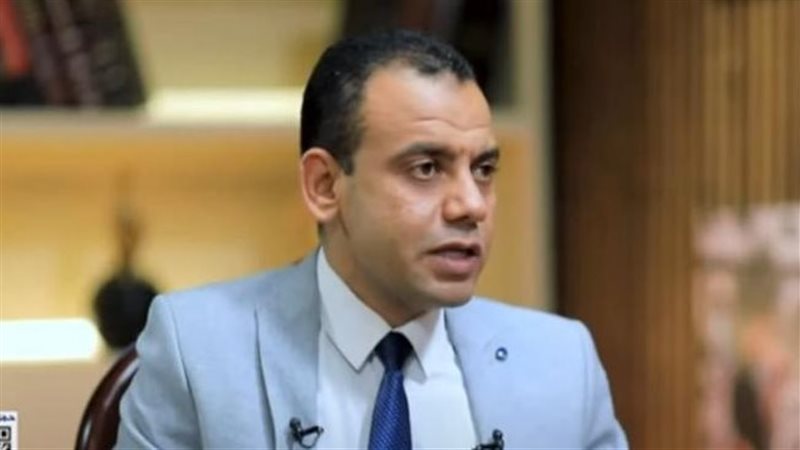
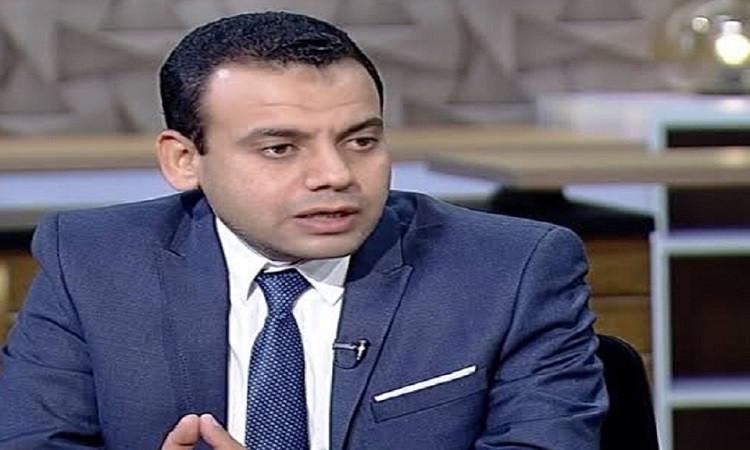
Dr. Karim El-Omda in an interview with Zoom Africa News: Africa has become an arena of global competition... and Egypt is one of the main beneficiaries of the new opportunities and an important strategic partner
Security and stability are the biggest challenges facing Africa's future.
Interview by: Amina Hassan
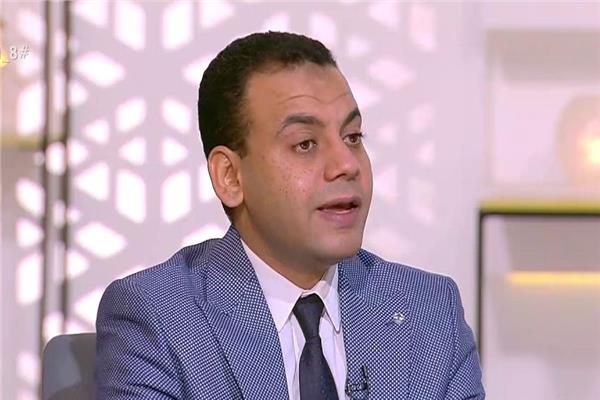
Dr. Karim El-Omda, an expert on African affairs, speaks to “Zoom Africa News” about:
International competition for Africa: a struggle for influence and development opportunities
Emerging economies on the continent: Who is driving African growth?
Security and stability are the biggest challenges facing Africa's future.
Terrorism and military coups and their impact on the development process
Egypt's presence in Africa is making a strong comeback and fostering growing partnerships.
Investment, trade, and health are promising areas for enhancing Egypt's role on the continent.
The African continent is witnessing a pivotal stage of political and economic transformations, amid escalating international competition over its markets, natural resources, and strategic geopolitical location.
While many global and regional powers seek to strengthen their presence within the continent, fundamental questions arise about the ability of African countries to harness this growing interest to serve the goals of development and stability.
At the same time, many African economies continue to record promising growth rates driven by infrastructure projects, foreign investment and regional economic integration, while security and political stability challenges remain an obstacle to achieving sustainable development in a number of countries.
The rapidly changing international landscape also imposes a new reality that requires deeper insights to understand the future of the continent and its development paths in the coming years.
In this context, Zoom Africa News conducted this interview with the expert on African affairs, Dr. Karim Al-Amda, to discuss the most prominent features of international competition in Africa, the available development opportunities, and the security and political challenges facing the continent, in addition to assessing the growing Egyptian presence in Africa and the prospects for strengthening economic and investment partnerships during the next stage.
Here is the text of the dialogue…
To begin with, Africa is witnessing increasing competition between different international and regional powers. How do you interpret the nature of this competition? Does it represent an opportunity for development or a new challenge for African countries?
There is, of course, global competition among major powers for influence in Africa, due to its strategic location and abundant resources. Among the most prominent players in Africa are China, India, Turkey, Israel, and the United States, with Japan playing a lesser role. These countries seek to enhance their influence and exploit African resources.
But does this competition represent an opportunity for development? It depends on the nature of the trade agreements that African countries conclude with these major powers. The question here is: Are these agreements based on balance and achieving common interests, or do they involve a kind of submission to the interests of the stronger parties? This varies from one country to another.
-In light of the accelerating infrastructure projects and investment in the continent, which African economies are most likely to achieve developmental leaps in the coming years? And what factors support this?
With infrastructure projects and investments accelerating across Africa, several African economies are poised for significant growth. Egypt, South Africa, and Morocco are among the leading economies, vying for prominence in the continent. Other notable countries, such as Kenya, Rwanda, and Tanzania, are also making notable progress.
In general, East African countries are among the most economically active regions of the continent, witnessing increasing economic and trade cooperation among their countries, in addition to significant economic developments and leaps.
Some African countries face increasing security and political challenges, from terrorism to military coups. How do these issues affect the future of stability and economic growth on the continent?
As for security and political challenges, Central African countries suffer from problems of terrorism and instability, and some West African countries, such as Nigeria, face similar challenges in the form of terrorist groups and military coups, which directly affect economic stability and the continuation of these conditions may lead to humanitarian crises and famines, especially with the impact of successive international crises such as the energy crises that the world is witnessing.
Armed conflicts and ethnic and tribal conflicts are among the most prominent challenges facing a number of African countries, as these conflicts lead to the displacement of large numbers of people, disrupt development plans, weaken the ability of governments to provide basic services to citizens, and drain the financial resources of countries, directing them towards military and security aspects instead of investing them in education, health and infrastructure.
Another important challenge is the growing activity of armed groups and transnational organized crime networks, which are involved in smuggling weapons, people and natural resources. These activities contribute to undermining the authority of the state and weakening its control over some areas, especially in remote border regions.
-Egyptian-African relations have witnessed remarkable development in recent years. How do you assess the level of Egyptian presence in Africa? And in what areas does Cairo have greater opportunities to enhance its influence and partnerships?
Regarding Egypt's relations with Africa, recent years, particularly since 2015, have witnessed a significant strengthening of the Egyptian presence on the continent through increased investments and the expansion of Egyptian companies' activities in numerous African countries. Egyptian and Arab companies have also played crucial roles in implementing infrastructure projects, dams, and various development initiatives.
The African Continental Free Trade Area has also contributed to strengthening trade links and economic relations between African countries, supporting intra-African trade.
Egypt is also interested in agricultural investment in Africa, with existing agricultural investments in Sudan and several other countries in southern Africa. Furthermore, Egypt maintains strong economic ties and partnerships with Libya and North African countries in general.
Egypt is also working to expand cooperation with African countries in the fields of health, pharmaceuticals, and medical industries, particularly given the experience it has gained in recent years in developing its health sector. This is a promising area that can contribute to strengthening health security and achieving human development across the continent.
Overall, the African continent represents a great opportunity for Egypt on the economic, trade and investment levels.