Calendar Lake: The amazing secret behind one of the world's greatest freshwater lakes
One of the most prominent natural landmarks in the African continent

Written by Omnia Hassan
Calendar Lake or Lake MalawiLake Nyasa, also known as “Lake Nyasa”, is one of the most prominent natural landmarks in the African continent, as it extends between three countries, namely Malawi, Tanzania and Mozambique. It is classified among the largest freshwater lakes in the world in terms of water volume. But what distinguishes this lake is not only its enormous size, but its unique title, “Calendar Lake”, a title associated with its amazing geographical numbers that correspond remarkably to the components of the Gregorian calendar year.
Why is it called Calendar Lake?
Lake Malawi earned this title because of its exceptional dimensions: it is about 365 miles long from north to south, which is the same as the number of days in a year, while its width at its widest point is 52 miles, which is the number of weeks in a year. Twelve major rivers flow into it, in a symbolic reference to the twelve months of the year, which made it known worldwide as the “calendar lake”.
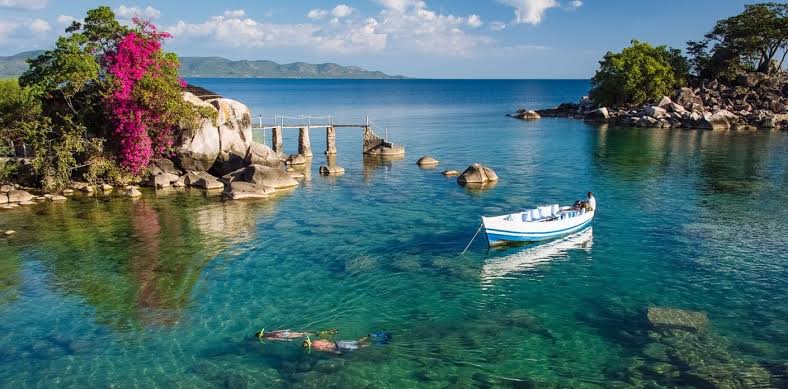
Water treasure in the heart of Africa
The lake is located within the Great Rift Valley and represents a vital resource for millions of people in the three countries bordering it. It is the third largest lake in Africa and is ranked among the largest freshwater lakes in the world in terms of size and area, giving it great environmental and economic importance.
The lake is characterized by its clear fresh water and its long sandy beaches, which has made it one of the most important tourist destinations in Southeast Africa. The British explorer David Livingstone called it the “Lake of Stars” because of the lights that were reflected at night from the fishing boats scattered on its surface.
exceptional biodiversity
Lake Malawi is known as one of the richest aquatic ecosystems in the world, home to hundreds of species of fish, especially colorful cichlids found nowhere else on Earth. Scientists consider the lake a natural laboratory for studying evolution and biodiversity because of the large number of endemic species.
Increasing global importance
With increasing global interest in preserving water resources and biodiversity, Lake Malawi stands out as a unique example combining natural beauty, environmental importance, and rare geographical symbolism. While its calendar-related numbers attract the curiosity of visitors, its true value remains in being a lifeline and one of Africa’s greatest natural treasures.