Ebola in Africa 2026: A race between rapid outbreaks and health containment efforts
The return of one of the continent's most dangerous viral epidemics
Written by Omnia Hassan
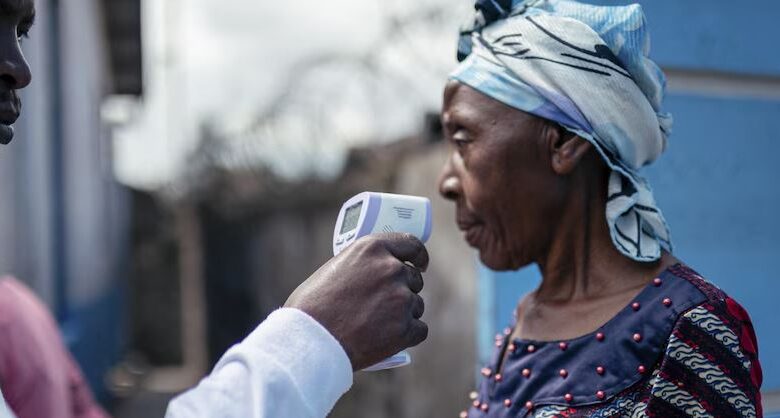
Witness virus Ebola in Africa during 2026: Rapid developments have revived fears of the return of one of the most dangerous viral epidemics on the continent, amid international warnings of the spread of infection in some areas, in contrast to the intensification of health response and vaccination campaigns and raising the level of preparedness in neighboring countries.
Infections on the rise in Congo and Uganda
The World Health Organization has declared the Ebola outbreak caused by the Bundibugyo strain in the Democratic Republic of Congo and Uganda a public health emergency of international concern, following increasing numbers of infections and deaths.
According to the organization, the number of suspected cases in the Democratic Republic of Congo has exceeded 900, with more than 220 deaths suspected to be related to the disease, while Uganda has recorded confirmed cases and deaths related to the virus.
Urgent efforts to contain the epidemic
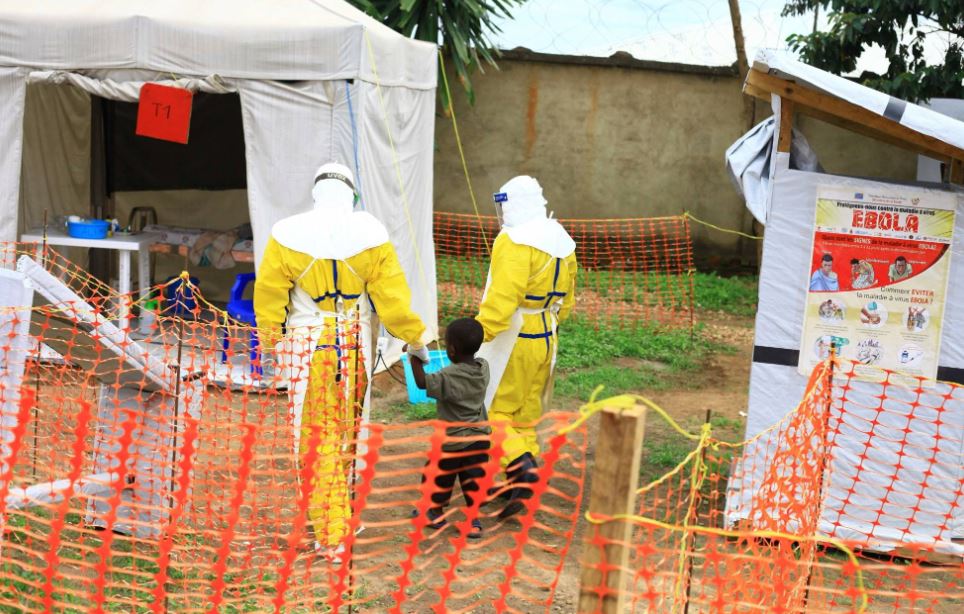
Recent developments have prompted the World Health Organization and its partners to strengthen field support for affected countries by providing vaccines and experimental treatments, increasing laboratory capacities, and expanding contact tracing operations. Rapid response teams have also been deployed in the most affected areas to reduce transmission among local communities.
These measures are part of a broader strategy aimed at breaking the chains of virus transmission and reducing death rates, especially in rural areas with weak health infrastructure.
Advances in vaccine research
One of the most notable developments during the past year was the launch of the first large-scale clinical trial of a vaccine specifically for the Sudan virus strain, one of the strains that cause Ebola.
The World Health Organization described this step as an important scientific achievement that could contribute to providing more effective tools to combat future outbreaks.
Ongoing challenges for health systems
Despite international efforts, several African countries still face significant challenges, including weak medical capabilities, difficulty accessing remote areas, and population movements across borders.
The World Health Organization confirms that the global risk of Ebola remains low, but the situation in outbreak hotspots within Africa remains worrying and requires continuous monitoring and a rapid response.
Future of the confrontation
Public health experts believe that Africa’s success in containing Ebola in the coming phase will depend on the speed with which new cases are detected, the expansion of community awareness campaigns, and the strengthening of regional and international cooperation.
While new vaccines and treatments offer a glimmer of hope, full control of the disease still requires long-term investments in health infrastructure and early warning systems across the continent.