Morocco leads in results-based financing from the African Development Bank
Moroccan economy
Written by: Ayman Ragab
The African Development Bank’s 2025 Progress Report on Results-Based Finance Instruments reveals a significant expansion in the use of results-based finance within the continent, transforming it from a limited experimental tool into one of the main pillars of sovereign project financing.
The report explained that results-based financing constituted, for the first time, 9.1% of the bank’s total sovereign commitments during 2025, exceeding the target ceiling of 5%, after the value of new commitments reached 746.4 million units of account, compared to an average of only two operations per year since the mechanism was launched in 2018.
Achieving results
This type of financing relies on disbursing funds after specific and verifiable results are achieved, thereby enhancing spending efficiency and linking financing to the actual performance of projects.

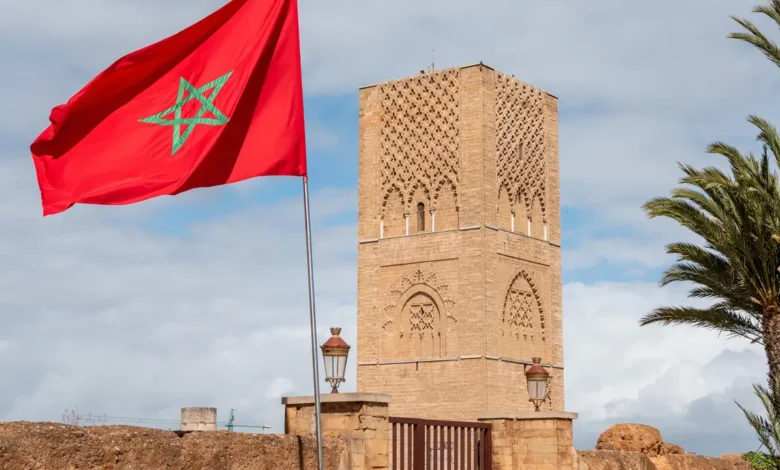
Morocco topped the list of countries benefiting most from this mechanism between 2018 and 2024, with total cumulative commitments of 668 million units of account, representing 47.71 TP3T of the total historical portfolio, across six operations covering social, agricultural, and multi-sectoral sectors. In 2025, it also received two new financing packages totaling 184.76 million units of account.
Rwanda came in second with total commitments of 207.07 million units of account, followed by Côte d'Ivoire with 135.28 million units of account, and then Egypt, which recorded 86.6 million units of account for a project in the water and sanitation sector.
Finance portfolio
During 2025, new countries joined the financing portfolio, including Nigeria, which received 147.21 million units of account to support the agricultural sector, Cameroon, which received 113.91 million units of account for social and climate infrastructure projects, and Ghana, which received 52.24 million units of account to support women and youth employment programs.
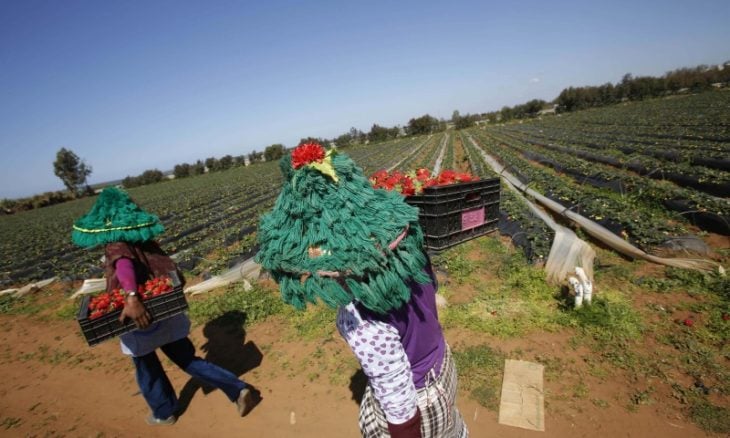
Despite its recent accession, Cameroon has emerged as the largest country in terms of co-financing associated with projects, having successfully mobilized 908.37 million units of account from international partners, ahead of Rwanda, which attracted 72.65 million units of account, while Morocco obtained co-financing worth 9.75 million units of account for one of its programs.
The report indicates that the expansion of results-based financing reflects a shift in the African Development Bank’s approach, with a focus on financing programs linked to measurable performance indicators, which contributes to improving the efficiency of project implementation and enhancing the ability of African countries to attract additional financing from international development institutions.