African centers warn of a new health catastrophe: $319 million needed to stop the spread of Ebola on the continent
Ebola is spreading in areas suffering from insecurity and lack of resources.
Written by: Mohammed Omran
Africa is racing against time to contain a new wave of the virus. EbolaThis comes after the Africa Centres for Disease Control and Prevention issued warnings about the widening outbreak in the Democratic Republic of Congo and Uganda, amid fears that it could become one of the most serious health crises the continent has seen in years.
African centers allocate $319 million to prevent an Ebola catastrophe
In an effort to prevent cross-border transmission, the Africa Centres for Disease Control and Prevention adopted a $319 million emergency plan to support treatment, surveillance, and border screening efforts, at a time when health authorities face complex challenges due to the spread of the disease in areas suffering from insecurity and poor medical capabilities, in addition to the absence of a vaccine or approved treatment for the currently circulating strain.
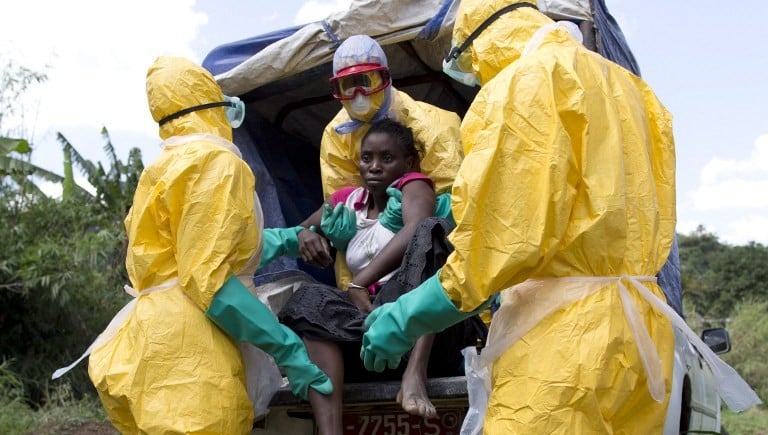
Emergency plan includes treatment, monitoring, and border control in 11 countries
The Africa Centres for Disease Control and Prevention (Africa CDC) has agreed to allocate $319 million over six months as part of an emergency plan to contain the Ebola outbreak in the Democratic Republic of Congo and Uganda. The funds will be used to support treatment, surveillance, and border screening.
According to a statement from the Africa Centres for Disease Control and Prevention, the required funding must be secured between June and November 2026, warning that any delay in responding or providing funding could lead to an acceleration of cross-border transmission in Central and East Africa.
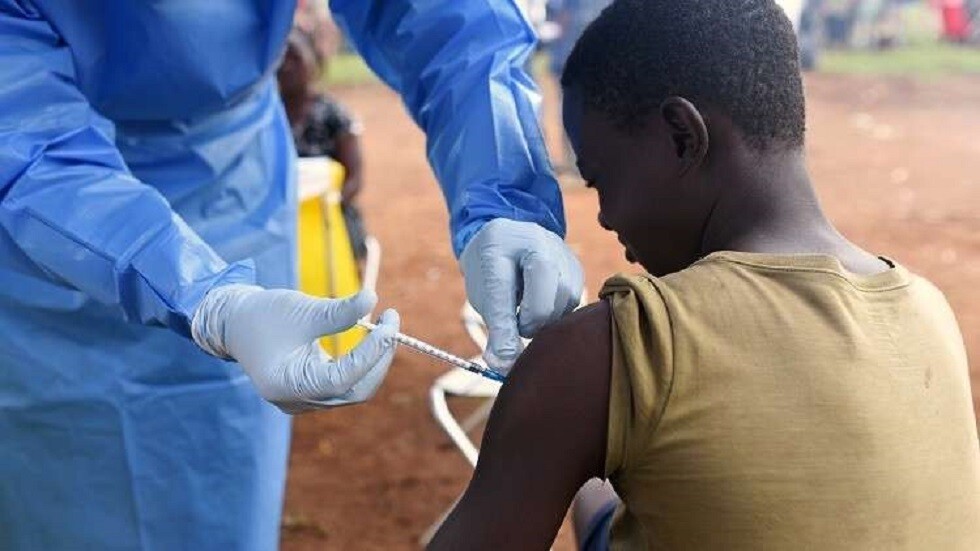
The statement noted that the outbreak is expanding within areas suffering from insecurity and a lack of resources, making it more difficult to contain a rare strain of the Ebola virus for which there is still no approved vaccine or targeted treatment.
The plan aims to support response operations in affected countries, as well as strengthen preparedness and prevention measures within 11 member states classified as high risk, during the period from June to November 2026.
Officials confirmed that nearly $500 million has already been pledged or committed by governments, multilateral agencies, and humanitarian partners, although verification processes for contributions and allocation mechanisms are still ongoing.
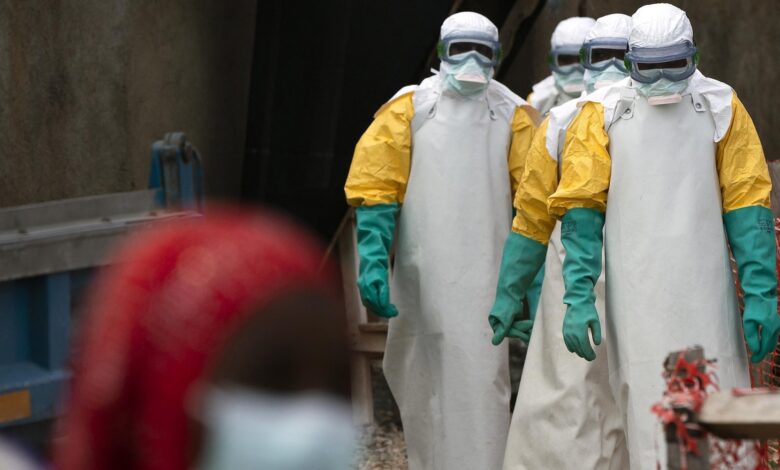
The current outbreak, caused by the Bundibugyo strain of the Ebola virus, has raised widespread concerns among health officials, who have warned that it could become one of the most serious epidemics the continent has seen since the 2014 Ebola outbreak in West Africa, should current containment efforts falter.
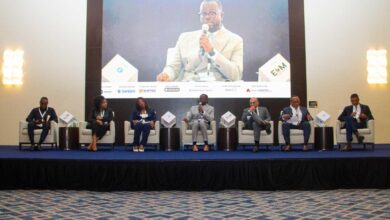
The Director-General of the Africa Centres for Disease Control and Prevention, Jean Kassia, said the next phase of the response will focus on verifying financial pledges and ensuring that funding is directed towards the most priority interventions, through the Incident Management Support Team.
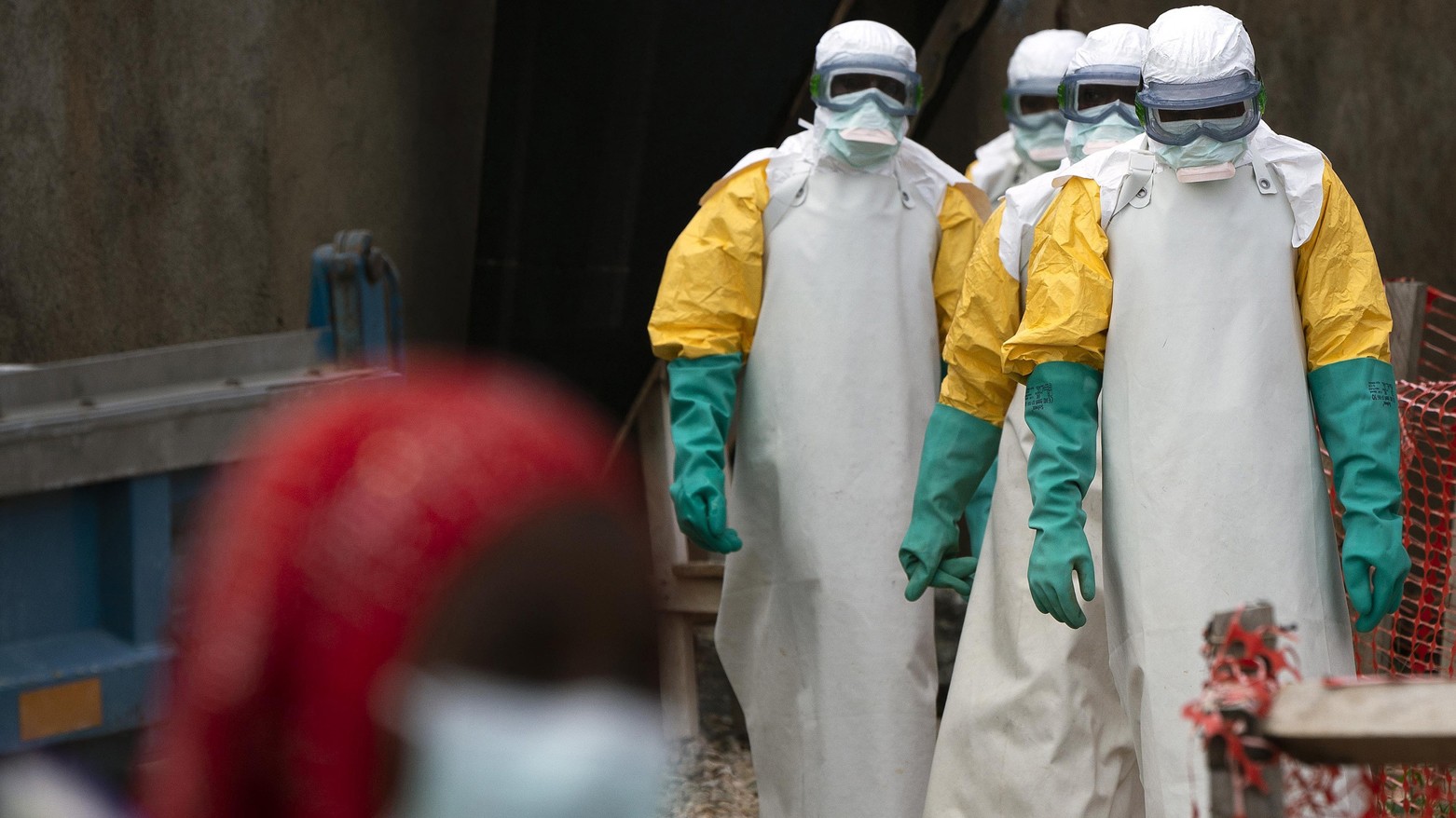
For his part, the Director-General of the World Health Organization, Tedros Adhanom Ghebreyesus, stated that health authorities are dealing with a rapidly spreading outbreak, after its detection was delayed in the eastern Democratic Republic of Congo, noting that the WHO has allocated $3.9 million from its emergency fund to support the response efforts.
Tedros said, “We know this virus, and we know how to stop it,” while warning that the situation could worsen before it starts to improve.
For his part, the Chairperson of the African Union Commission, Mahmoud Ali Youssouf, stressed that the outbreak reveals the continued existence of gaps in health surveillance systems, emergency operations centers, laboratory capabilities and local manufacturing within the continent.
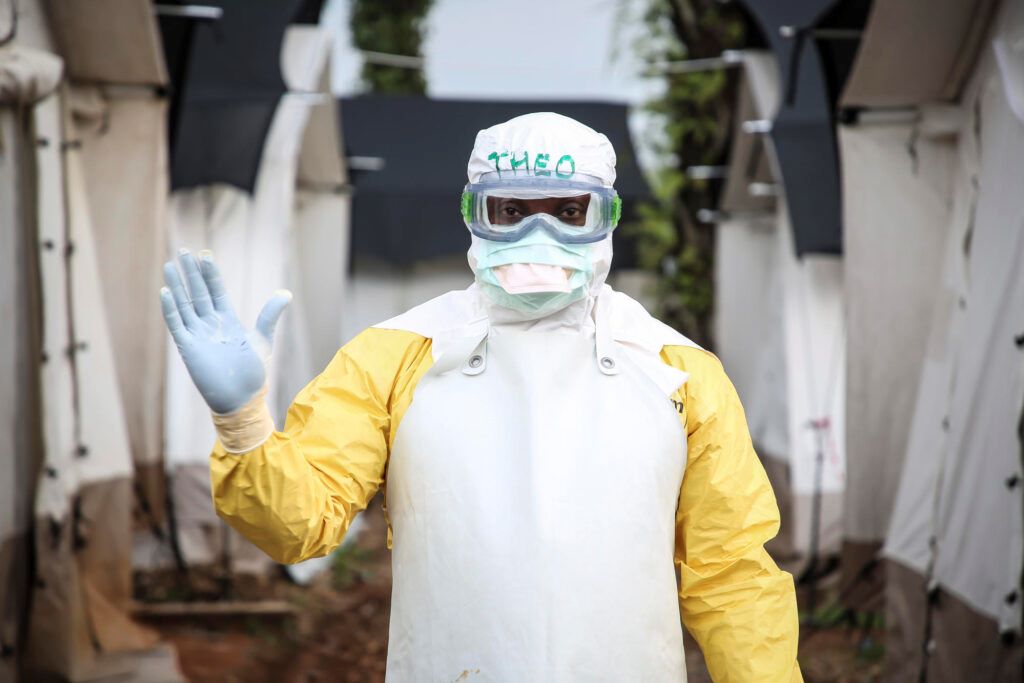
The response efforts are complicated by ongoing insecurity, displacement, and attacks on health facilities in eastern Democratic Republic of Congo, as well as limited laboratory capacity and the absence of approved vaccines or treatments for the currently raging Bundibugyo strain.