Madaraca 2026 in Wajir: Kenya launches a new phase of development and national integration
A step towards developing northern Kenya and integrating marginalized areas
Written by: Mohammed Omran
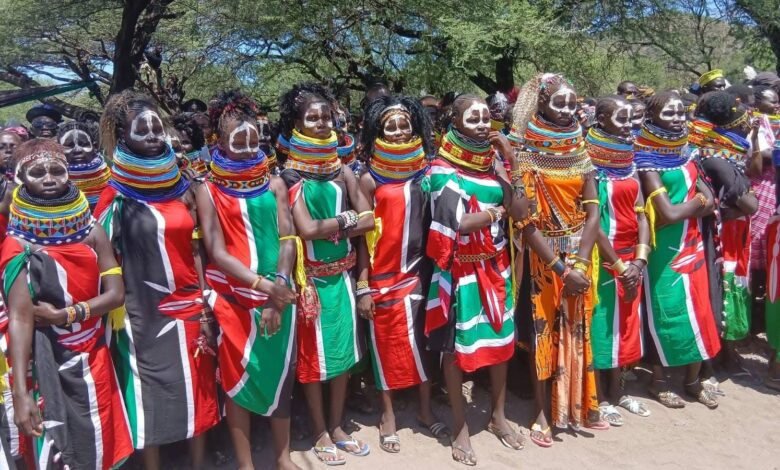
Madaraka Day is one of the most important national holidays in Kenya, and is celebrated on June 1st of each year to commemorate the day in 1963 when the country gained internal self-government, marking the end of the colonial era and the beginning of the modern Kenyan state-building process.
This day symbolizes freedom, national unity, and the aspirations of the Kenyan people for a better future, as the word “Madaraka” in Swahili means “power” or “self-rule”.
This year, attention is focused on Wajir, a city whose name is linked to important historical milestones in Kenya's history, and which witnessed the tragic events of Wagala that left a deep mark on the memory of the region and its inhabitants.
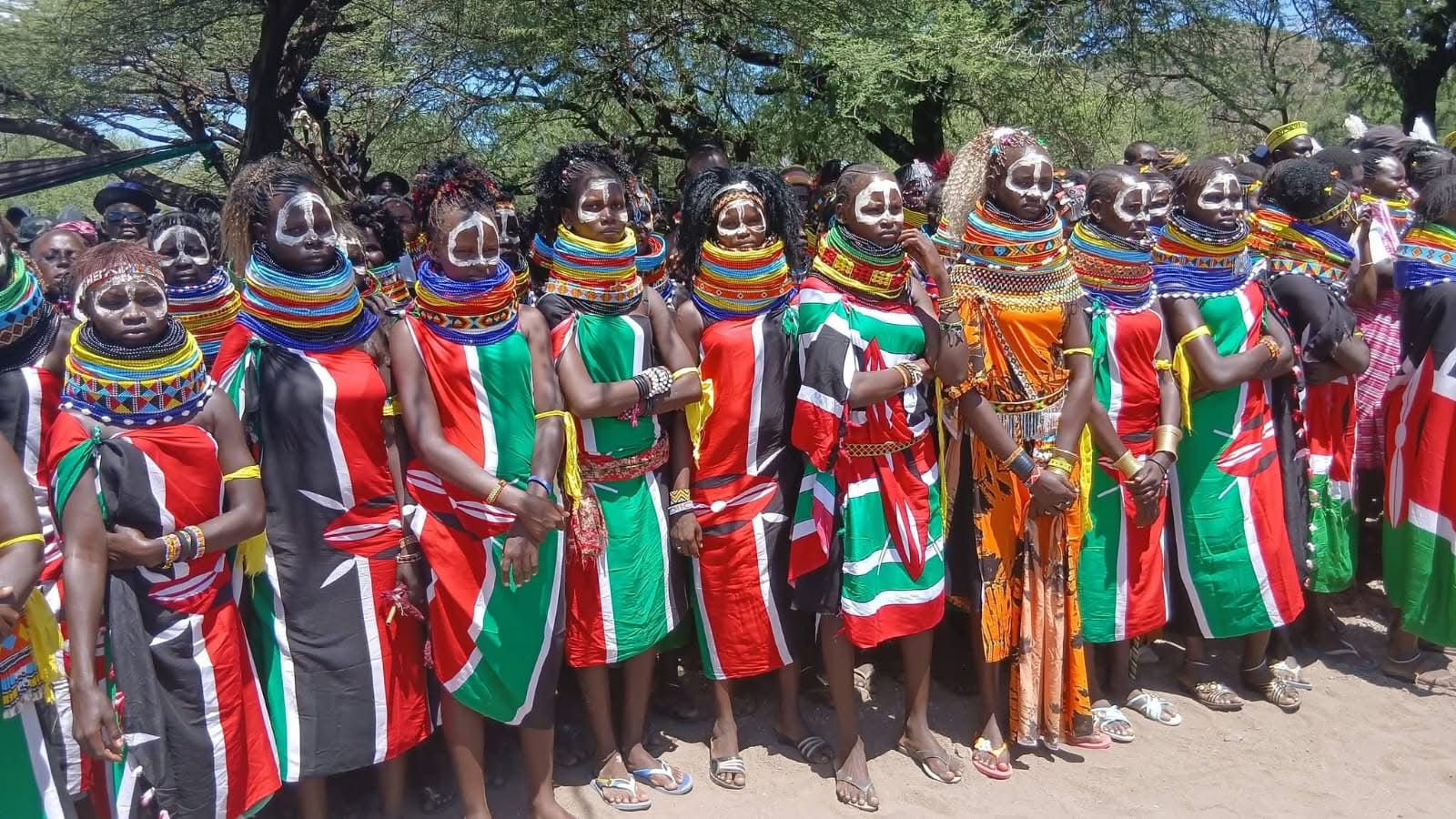
After decades of marginalization, weak government investment, and little developmental attention, Wajir is preparing to write a new chapter in its history by hosting the national celebration of Madaraca Day for the first time in the region's history.
The selection of Wajir was not merely an organizational decision or a fleeting celebratory occasion, but rather carried profound political and developmental implications, reflecting an important shift in the state’s vision for the northern Kenyan regions, and a clear message that the era of marginalization must give way to a new phase of inclusion, recognition, and national integration.
In his address on this occasion, Chairman Ruto emphasized that the state's responsibility extends beyond simply celebrating the freedom the country achieved more than six decades ago. It encompasses ensuring that every Kenyan citizen experiences the true meaning of this freedom: the freedom from exclusion, marginalization, and discrimination; the freedom to access education, employment, and equal opportunities; and the freedom to build a dignified future for generations to come.
The President noted that for decades some regions of the country had been described as remote, arid, marginal, or difficult to develop, but that Kenya today rejects this notion. Speaking from the heart of the nation, he declared that no community is excluded from the national narrative, no child is denied development opportunities, no citizen is deprived of their right to dignity, and no remote counties are undeserving of development and investment.
The President said that Wajir is not on the margins of Kenya, but is Kenya itself, stressing that every part of the homeland has its place and importance, from Busia to Mandera, from Turkana to Kwale, and from Kisumu to Mombasa, because every Kenyan citizen has his value and place in building the nation.
The President’s messages were not limited to the symbolic aspect, but were accompanied by important development announcements, as he confirmed the continuation of ongoing projects in Wajir and northern Kenya, including the development of infrastructure and public services and the improvement of Wajir Airport facilities to better serve residents and visitors.
He also officially announced the establishment of Wajir University, confirming that the government has allocated the necessary resources and that the project will be implemented during this year, calling on the people of the region to cooperate in providing suitable land for this project, which will contribute to the development of northern Kenya and open new horizons for future generations.
These announcements constituted practical evidence that development was no longer just promises, but had become a reality that translated the state's commitment to integrating areas that had remained outside the circle of national interest for decades.
In a moving moment that garnered widespread attention, the President expressed his feelings about the occasion, saying that he had participated in many Madaraca celebrations over the past years, but the Wajir celebration was different, stressing that he felt the depth of the historic moment and the feelings and hopes of the people of northern Kenya and their aspirations for a better future.
He concluded his speech with a message that carried great historical and humanitarian dimensions, when he stressed that what the region had witnessed in the past in terms of marginalization, exclusion and suffering should not be repeated again, and that the future of Kenya would be based on justice, equality and partnership among all its people.
Wajir’s hosting of the Madaraca 2026 celebrations is not just a national occasion, but a pivotal historical moment in the journey of northern Kenya, and a symbol of the region’s transition from pages of pain and marginalization to horizons of recognition, development and national integration.
While the name of Wajir has always been associated with painful memories in the past, today it is associated with a new, brighter image; the image of a city that welcomes the entire nation, and affirms that Kenya is only complete with all its sons and daughters, and that development, dignity and opportunities are the right of every citizen, no matter how far away or how harsh the circumstances.
Madaraca 2026 in Wajir was more than a national celebration; it was a declaration that northern Kenya is present at the heart of the nation, and that the future will be built together, shoulder to shoulder, as one people and one nation united by a common destiny and a common hope for a better tomorrow.