Written by Omnia Hassan
The continent witnessed AfricanOver the past decades, musical schools have emerged that have managed to transcend their local boundaries and become part of the global art scene, with Senegalese and Congolese music at the forefront of these inspiring experiences.
From the streets of Dakar to the theaters of Kinshasa, artists have succeeded in transforming African rhythms into a universal language that has attracted millions of listeners and contributed to shaping modern music around the world.
Senegal is a blend of heritage and modern rhythm.
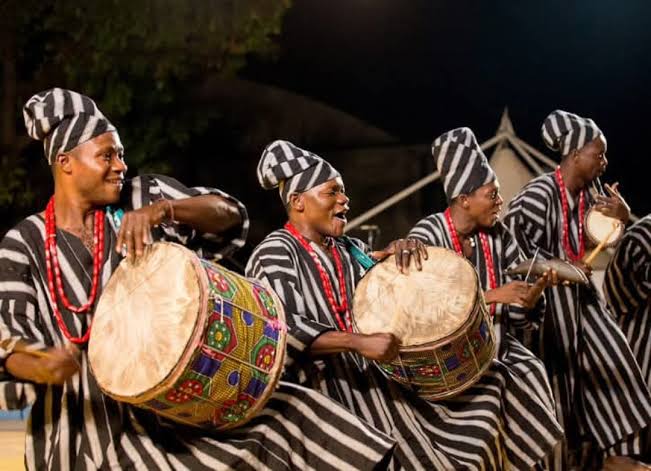
Senegalese music is based on the Mbalax style, which blends traditional Sapar drum rhythms with jazz, funk, and Latin music.
The star Youssef Ndour is considered the most prominent ambassador of this musical style, after he took Senegalese music to the world stage through his collaboration with major international artists, and his winning of the Grammy Award, in addition to his participation in humanitarian and cultural campaigns that strengthened the presence of African art on the international scene.
Music festivals in Dakar and the spread of digital platforms have also contributed to introducing new Senegalese talents to a global audience, making Senegal one of the most important centers of musical creativity in West Africa.
Congo, the cradle of African Rumba
In contrast, the name of the Democratic Republic of Congo and the Republic of Congo is associated with Congolese rumba music, which originated during the 1940s, influenced by Cuban music, before developing its own character with distinctive African rhythms.
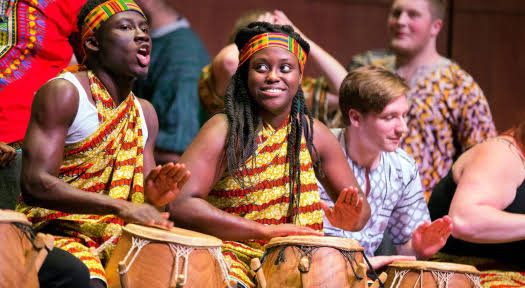
Names such as Franco Luambo Makiadi, Papa Wemba and Kofi Olomede emerged, who contributed to the spread of rumba and soukos within and outside Africa. In 2021, UNESCO included Congolese rumba on its list of intangible cultural heritage, in recognition of its artistic value and global influence.
The secret to achieving global recognition
The success of Senegalese and Congolese music was not a coincidence, but rather a result of preserving local identity while remaining open to modern musical styles.
African migration to Europe and America, and collaborations with international stars, have also played an important role in expanding the audience base, along with digital streaming platforms that have made African music available around the world.
A renewed cultural heritage
Today, new generations of artists in Africa and around the world are drawing inspiration from Senegalese and Congolese music, whether in rhythms, dances, or performance styles.
This music is no longer just a local art form, but has become a symbol of African identity and the power of its soft culture, and evidence that creativity based on authenticity is capable of crossing borders and creating a solid global position.