How did Africa become a factory for the world's most unique tourist experiences?
كيف تتحول السياحة إلى قاطرة للنمو الاقتصادي والثقافي؟
Written by: Mohammed Omran
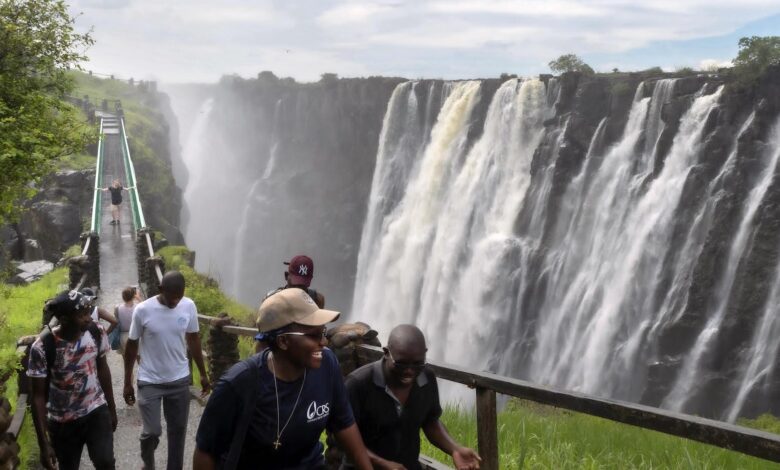
It no longer Africa More than just a continent that tourists visit to see wildlife or enjoy beaches and landscapes, it is reshaping the global tourism industry through a new model based on integrated experience and authentic cultural identity. While the sector continues to achieve growth rates exceeding the global average, governments and investors are turning heritage, culture, local cuisine, arts, and the environment into key attractions, in a move aimed at increasing economic returns and enhancing the continent's position as one of the world's leading tourist destinations.
African tourism is growing at a rate that surpasses the global economy.
The latest data from the World Travel & Tourism Council (WTTC) indicates that the tourism sector injected approximately $228 billion into the continent’s economy during 2025, representing about 7% of Africa’s GDP, registering a growth rate of 5% compared to 2024, a pace that exceeds the growth of both the African and global economies.
Estimates predict that the sector's contribution will rise to $241 billion during 2026, as international travel continues to recover and investments in tourism infrastructure and services increase.

The sector also provided more than 30.2 million job opportunities during 2025, with expectations of rising to 31.5 million jobs in 2026, reaching more than 40.9 million jobs by 2036, making it one of the biggest drivers of employment and economic growth on the continent.
Tourists seek the experience, not the destination.
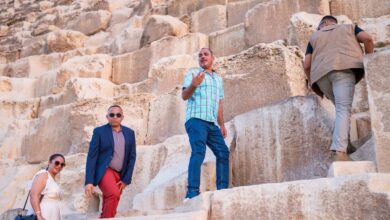
The travel industry is witnessing a radical shift in the behavior of the global tourist. Interest is no longer limited to luxury hotels, beaches, or natural landmarks. Rather, the traveler is now looking for an integrated human and cultural experience that enables him to learn about the history of the place, its culture, its cuisine, its customs, and to interact with its inhabitants. This shift represents a golden opportunity for Africa, which possesses a cultural, civilizational, and environmental diversity that is difficult to replicate in any other region of the world.
Julia Simpson, CEO of the World Travel & Tourism Council, confirmed that many African destinations now possess everything the modern tourist is looking for, from stunning nature to culture, authenticity and hospitality, giving the continent an increasing competitive advantage.

From residency to cultural experience
Many African destinations are moving towards offering a new concept of hospitality, based on transforming the tourist's stay into an integrated cultural journey.
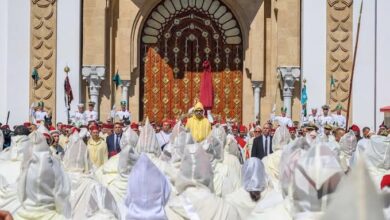
In the Moroccan city of Marrakesh, traditional guesthouses no longer just provide accommodation, but have begun offering cooking workshops, interactive experiences, and programs to learn about Moroccan heritage and culinary arts, allowing visitors to experience the details of local culture. Restaurants and tourist projects have also emerged that blend Moroccan cuisine with global creativity, making local food a means of introducing national identity.
Siwa: An Egyptian model for sustainable tourism
In Egypt, the Adrère Amellal resort in the Siwa Oasis offers a different model of luxury tourism, relying on local building materials and traditional architectural style, and giving the visitor the opportunity to discover the Amazigh culture and authentic desert life, so that the desert is transformed from just a natural landscape into an essential part of the travel experience.
Culture and arts are at the heart of the tourism industry.
Museums and galleries are no longer just places to visit, but have become major drivers for attracting tourists. In Cape Town, South Africa, the Zeitz MOCAA Museum of Contemporary African Art has helped to establish the city as a global cultural destination, attracting thousands of visitors eager to learn about African artistic creativity.
Countries such as Rwanda and Botswana have also succeeded in developing ecotourism based on nature conservation and the involvement of local communities, while providing luxury services that generate high economic returns without harming the environment.
Governments are betting on excellence
Many African countries are seeking to reshape their global tourism image, and Côte d'Ivoire is a prime example, as its “Magnificent Côte d'Ivoire” strategy relies on diversifying the tourism product to include beaches, culture, business tourism, festivals, and culinary arts.

In June, the Minister of Tourism and Leisure, Siandou Fofana, announced that Ivory Coast welcomed 6.7 million visitors in 2025, generating tourism revenues of 1.1 trillion CFA francs. This momentum reflects the country's ambition to make tourism a major economic driver. At ITB China 2026, he reaffirmed "Ivory Coast's ambition to strengthen its position among the continent's top tourism and leisure destinations, and to promote innovative, sustainable, and humane offerings.".
Investments are moving towards local identity
Investors are no longer just focused on building hotels, but are now looking for projects that offer a different experience that reflects the identity of the place.
African hotel groups are leading this shift by designing hotels that reflect local culture, traditional architecture and national cuisine, rather than simply conforming to standardized global models.
This trend reflects a growing belief that the future of tourism in Africa depends on highlighting the African character, rather than imitating Western models.

Domestic tourism drives growth
One of the most notable findings of the World Travel and Tourism Council report is that 61% of tourism spending in Africa comes from domestic tourism, which confirms that the African traveler has become the main driver of the sector’s growth.
Business trips, festivals, cultural events, family visits, and regional tourism contribute to boosting demand, giving the sector greater stability and reducing dependence on foreign markets.
Challenges still exist
Despite the rapid growth, African tourism still faces a number of challenges, most notably the weak air connectivity between African countries, the complexity of visa procedures, and the high cost of travel within the continent compared to travel to foreign destinations. Experts believe that overcoming these obstacles will be a crucial factor in doubling the contribution of tourism to the African economy in the coming years.

Africa delivers experience before destination
Africa no longer relies solely on its beaches, nature reserves, and historical sites, but now offers the world an integrated experience that combines culture, arts, food, architecture, heritage, and daily life.
With travelers increasingly seeking authenticity and meaning, the continent appears to be on its way to building a different tourism model, one that makes human and cultural experience its true source of strength, and transforms its cultural wealth into sustainable economic value that enhances its position on the world tourism map.