Currency declines exacerbate economic pressures... Learn about the weakest currencies in Africa during July 2026
تصاعد معدلات التضخم
Written by Amna Hassan
Many economies continue African They face increasing challenges as a result of the decline in the value of their local currencies against the US dollar, amid rising import costs, escalating inflation rates, and increased operational burdens on governments and companies.
Although a weaker currency may give exports a competitive advantage in some cases, the fact that most African countries rely on imports of basic commodities, such as fuel, machinery, medicines and food, makes a weak currency a factor that exacerbates economic pressures and directly affects the purchasing power of citizens.
Increasing pressure on African economies
Financial markets have recently witnessed continued pressure on a number of African currencies. In South Africa, the rand fell to its lowest level against the dollar since April, following the South African Reserve Bank’s decision to keep interest rates unchanged.
Surveys by currency market experts also indicated that major currencies, including the Nigerian naira, the Ghanaian cedi, and the Ugandan shilling, may experience further declines in the coming period, driven by rising global demand for the dollar and rising oil prices, which increase the cost of imports.
Inflation and rising production costs
Currency devaluation leads to higher prices for imported goods, which directly impacts the prices of food, fuel, transportation, and basic products. Industrial companies incur additional costs when importing raw materials, machinery, and spare parts, while transportation and logistics companies face higher operating expenses, putting particular pressure on small and medium-sized enterprises.
The 10 weakest African currencies in July 2026
According to Forbes calculator data, the list of the weakest African currencies against the US dollar during July 2026 was as follows:
Sao Tome and Principe – Aldobra (22,281.8 against the dollar).
Sierra Leone – Leone (20,969.5).
Guinea – Guinean Franc (8,776.57).
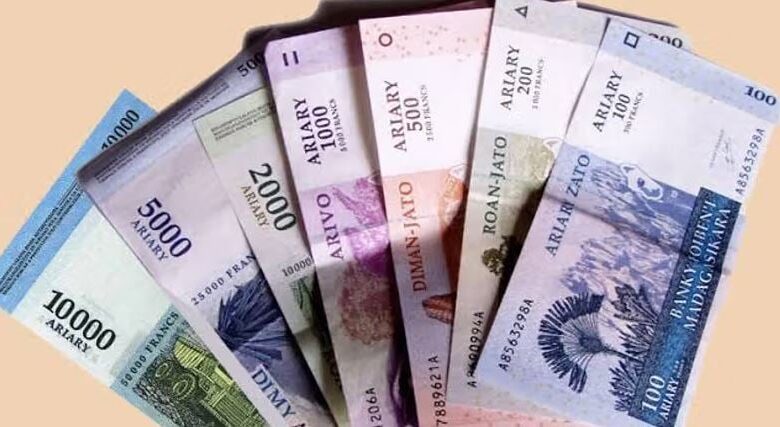
Madagascar – Ariary (4,285.37).
Uganda – Ugandan Shilling (3,774.85).
Burundi – Burundian Franc (2,990.67).
Tanzania – Tanzanian Shilling (2,646.50).
Democratic Republic of Congo – Congolese Franc (2,312.26).
Malawi – Kwacha (1,733.85).
Rwanda – Rwandan Franc (1,465.00).
These figures reflect the continuing challenges faced by many African economies in maintaining stable exchange rates, amid global economic changes that are casting a shadow over emerging markets and increasing the need for monetary and fiscal policies that promote economic stability and curb inflationary pressures.