Written by: Mohammed Omran
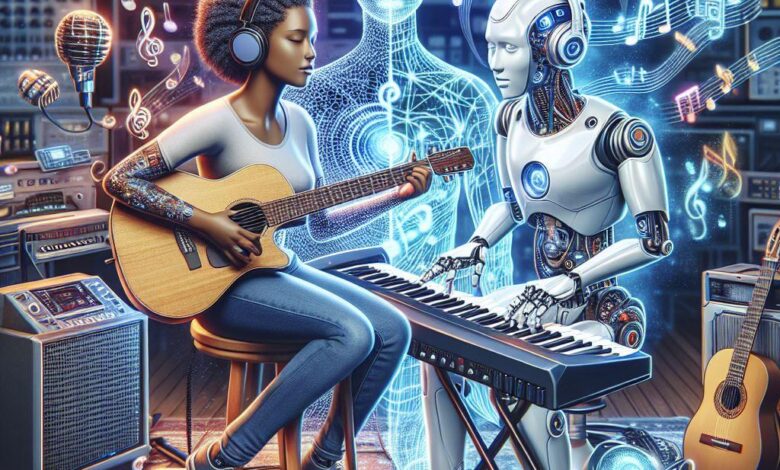
Sierra Leone's music industry is undergoing a transformation with the introduction of new technologies. artificial intelligence In the world of artistic production, this technology provides artists and producers with modern tools that help them develop ideas and accelerate song-making processes, but at the same time it opens up a wide debate about the future of creativity and intellectual property rights.
New technologies are giving artists advanced creative tools amid fears of losing artistic identity.
Artificial intelligence is now present in various stages of music production, from developing melodies and ideas to processing sounds and improving the quality of recordings, which gives artists new opportunities to reach a larger audience at lower costs.

New tools for musicians
Sierra Leonean music producer Joseph Koroma, known as “Nashito Kulala”, believes that artificial intelligence represents an important opportunity for the music industry, but it should be a tool to assist the artist and not a replacement for him.
After more than two decades in the field of song production, Koroma affirms that new technology can contribute to accelerating the production process and introducing innovative ideas, but the human element remains the foundation of the music industry, because experience, emotions, and culture are what give a song its true value.

Concerns about the artist's identity
Despite the benefits offered by artificial intelligence, some artists view it with caution, especially with the development of technologies for producing digital voices that resemble the voices of real singers.

Singer-songwriter Tracy Jack Doring believes that an artist's voice is not just a tool for singing, but carries their personality, culture, and human experience, warning that the use of AI-generated voices could affect the identity and authenticity of artists.
A new battle over property rights
With the increasing use of artificial intelligence in the music industry, legal questions have arisen regarding the ownership of works produced using these technologies, and who owns the rights to performances created or modified by algorithms.
Many musicians are also demanding clear rules to ensure the protection of their voices and works, and to receive fair compensation if artificial intelligence technologies are used to reproduce their styles or imitate their voices.

Several industry professionals emphasize that the core issue is not rejecting technology, but rather ensuring its use in a way that protects artists' rights and allows them to benefit from digital development.
The future of music: between humans and machines
Artificial intelligence specialists believe that artists in Sierra Leone and Africa in general have an opportunity to use these technologies to expand their audience and develop their work, provided they are used responsibly.
However, on the other hand, a segment of the public still believes that the true value of music is linked to human emotions and personal experiences presented by the artist, which raises questions about the ability of artificial intelligence to deliver the same emotional impact as that created by humans.

As technology continues to evolve, the music industry in Sierra Leone appears to be entering a new phase, combining the potential offered by smart machines with the need to preserve cultural identity and human creativity.