Burkina Faso opens 18 health centers and 4 new dialysis centers
Burkina Faso takes a step towards health sovereignty with the opening of new treatment centers.
Written by: Badr Ahmed
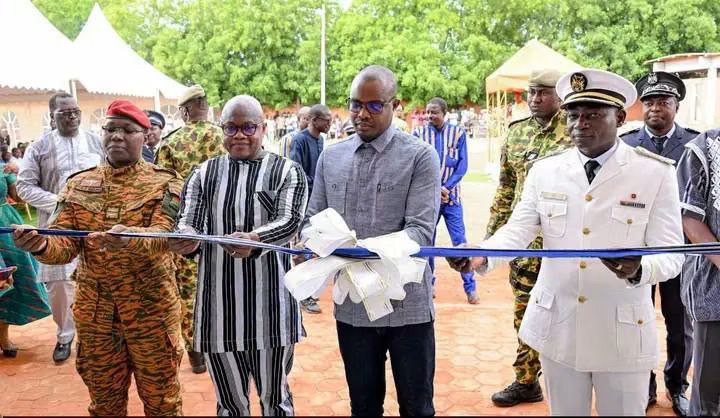
In a new step towards strengthening the health system and expanding the scope of basic and specialized medical services, Burkinabe Prime Minister Rimetaliba Jean Emmanuel Ouédraogo oversaw the opening, on Saturday, June 20, 2026, of 18 community health centers and 49 community health units, along with four new dialysis centers in the cities of Banfora, Dédougou, Dori and Fada N'Gourma.
New health investments boost access to treatment across Burkina Faso
The completion of these health facilities comes within the framework of the PRSS-ASN (Promotion of Primary Healthcare for Improved Health and Nutrition) project, which aims to improve the quality of health services and make them more accessible to citizens, particularly in areas lacking medical infrastructure. Investments in these projects have exceeded 1.2 billion CFA francs, reflecting the authorities' commitment to developing the health sector and expanding access to healthcare services.
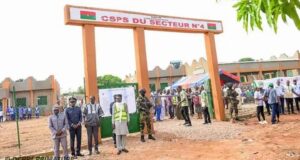
During the inauguration ceremony, officials emphasized that these new facilities will help alleviate pressure on existing health centers, and will enhance access to basic healthcare, preventive and curative services for thousands of citizens in various beneficiary areas.
For his part, Health Minister Dr. Robert Lucien Jean-Claude Cargogo explained that these achievements fall within the vision of health sovereignty adopted by the state, which aims to build a health system that is more responsive to the needs of the population and achieves self-sufficiency in providing basic and specialized health services.
The minister pointed out that the health sector has witnessed remarkable development in recent years, especially in the field of kidney disease treatment, as the number of dialysis centers in the country has increased from only five centers to twelve centers, which has helped to improve patients’ access to specialized care and reduce the burdens of transportation and treatment that used to weigh heavily on many families.
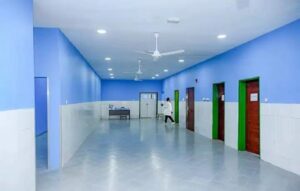
Observers believe that the opening of these new health facilities represents an important step in the development of health services in Burkina Faso, and reflects the government’s orientation towards promoting health equity and reducing disparities in access to treatment between different regions, in line with national goals aimed at improving health indicators and raising the quality of life of citizens.