Made of straw and mud... the story of African houses that defied time
A legacy of simplicity and a structure that harmonizes with nature
Written by Omnia Hassan
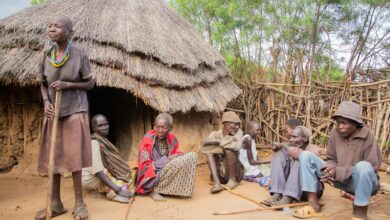
Deep in the African continent, the simple traditional houses of the tribes are spread as a mirror reflecting the deep relationship of man with his environment, culture and history.
Beyond modern complexity, this style of construction is based on readily available natural materials and time-honored design systems that suit the climate and social life of each community, making these houses an early model of what is known today as sustainable architecture.
Natural materials from the ground to the wall
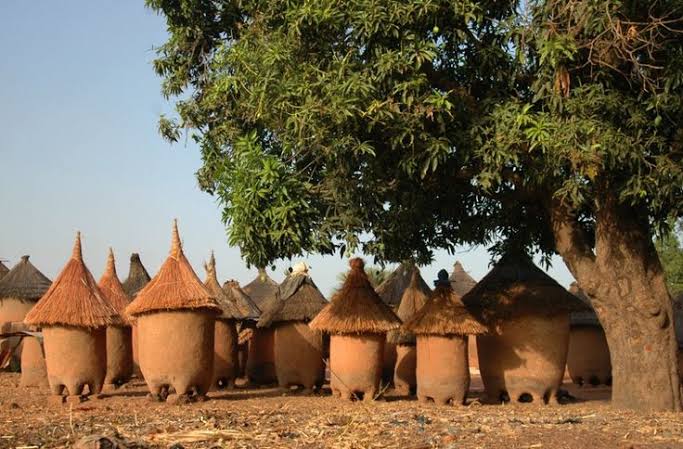
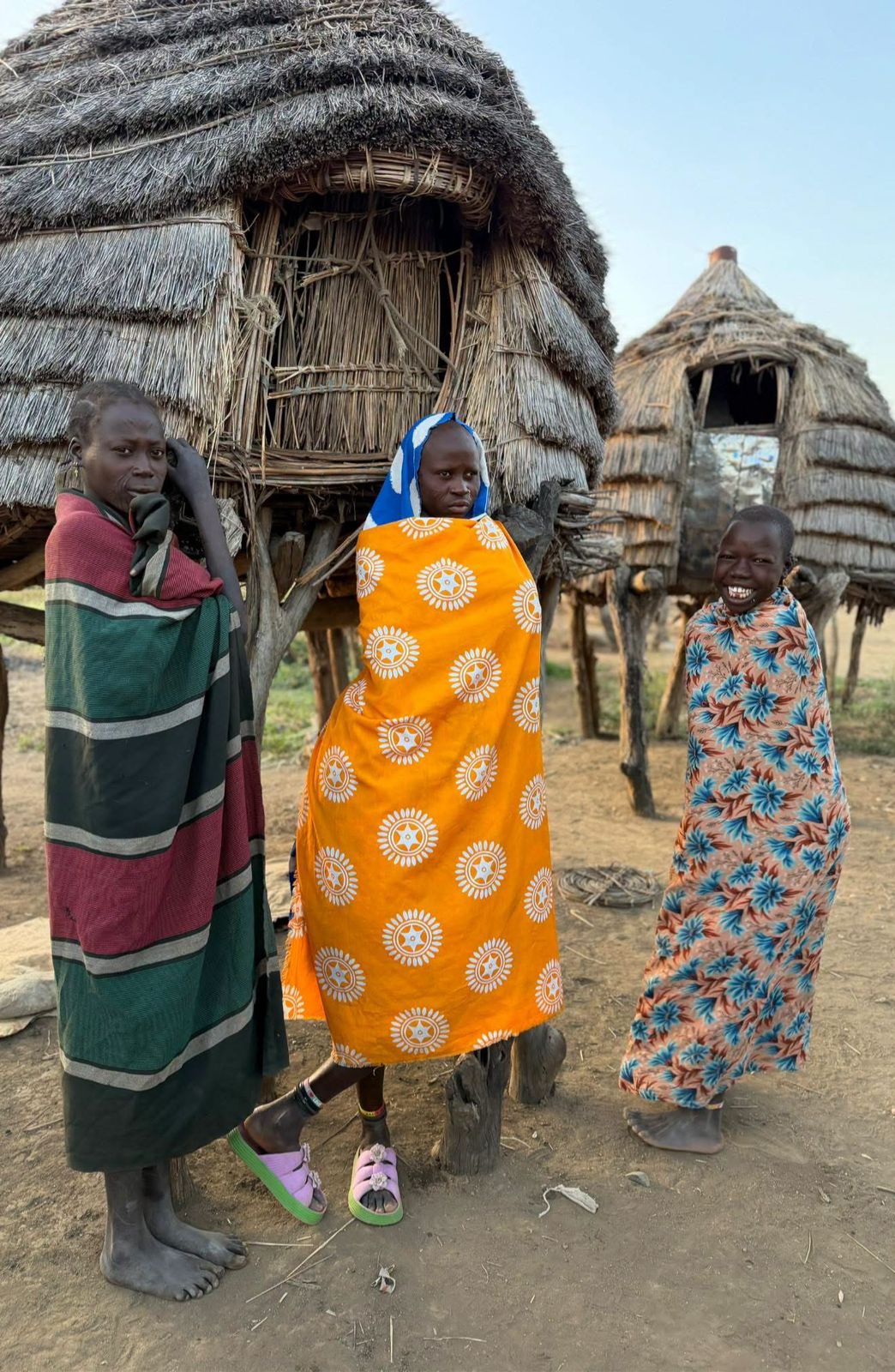
These houses rely primarily on local materials that reflect the diversity of environments between savannahs, forests and deserts. In grassy areas, straw and grass are used for roofs and walls, while in forests houses are built from wood and raffia bamboo. In semi-arid areas, clay and mud bricks are the primary choice for house walls.
This use of natural resources not only helps to reduce costs, but also gives the walls a high ability to regulate heat, keeping the interior cool in the heat and warm at night, without the need for any artificial means.
Designs that harmonize with nature
Many tribes in southern and eastern Africa build cylindrical houses with conical roofs. This circular shape prevents wind accumulation and improves natural ventilation, and thatched roofs provide excellent protection from rain.
In arid regions, herders rely on lightweight structures made of tree branches covered with leaves and straw, sufficient for protection and easily transportable as grazing areas change, reflecting the flexibility of traditional architecture and its ability to adapt to a nomadic lifestyle.
Construction techniques: between teamwork and inherited wisdom
Building in the tribes is not an individual task, but a collective effort involving both men and women. The wooden frame is prepared first, then filled with a mixture of clay, wood, and straw, and left to dry in the sun. The technique of weaving sticks and covering them with clay is also used to ensure durability and insulation.
These methods are valued not only for their effectiveness, but also for their ability to adapt to the environment, making these houses practical models of architecture that relies on available resources and reduces waste.
Homes are more than just shelters
These houses are not just dwellings, but spaces for identity, traditions, and community. The spaces are designed to accommodate the extended family, and cultural symbols are reflected in the details of the construction, while the common areas are used for meetings and social rituals.