Written by: Mohamed Ragab
The International Criminal Court announced significant progress in investigations into crimes committed in Sudan's Darfur region, confirming that it has obtained strong evidence linking the violations witnessed in the region to senior leaders, a step that may pave the way for new legal actions against those responsible for those crimes.
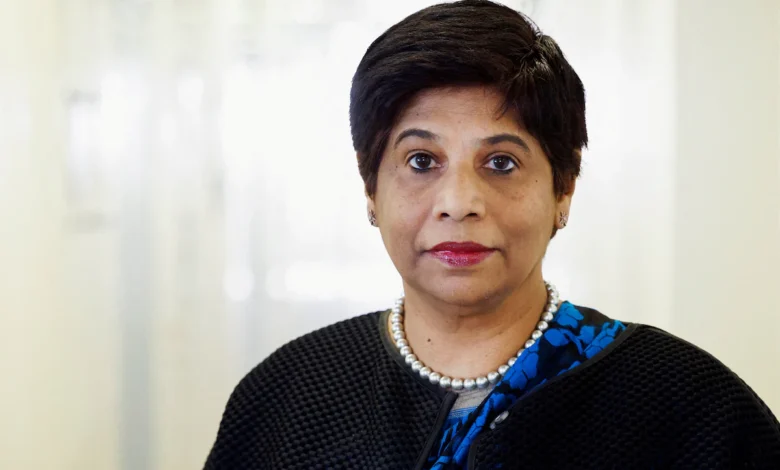
Deputy Prosecutor General of the court, Nazihat Shameem Khan, stated that the investigation team managed to gather additional evidence, which she described as ”strong,” linking the crimes committed in the cities of Geneina and El Fasher to leadership levels, emphasizing that this development represents a “breakthrough” in the course of investigations, which usually face difficulty in proving the responsibility of senior leadership for crimes committed by field elements.
The investigations include murder and sexual assault.
The International Criminal Court is focusing on crimes committed during the ongoing conflict in Sudan, including mass killings, summary executions, sexual violence, and abuses targeting civilians, particularly in Darfur.
The court official confirmed that investigation teams have heard testimonies from a large number of victims and survivors, which included accounts of widespread executions and sexual assaults, noting that these testimonies will form an essential part of the upcoming judicial proceedings.
The court is talking about expected results.
Despite refusing to disclose the names of the suspects or whether the court was preparing to issue new arrest warrants, the deputy prosecutor general confirmed that the court was confident of achieving results within a reasonable timeframe, as evidence collection and investigations continue.
As clarified, the court's jurisdiction is limited to prosecuting individuals accused of war crimes and crimes against humanity, not holding states accountable, emphasizing that the current investigation's priority is on crimes committed within Darfur.
Limited cooperation and ongoing challenges
The Court noted that the Sudanese government has shown a degree of cooperation in investigations related to the current conflict. However, it has not yet handed over a number of individuals wanted in previous Darfur cases. The Court continues to gather evidence in cooperation with victims and witnesses present inside Sudan and in refugee camps in neighboring countries.
The International Criminal Court has been investigating crimes committed in Darfur under a mandate from the UN Security Council since 2005, even though Sudan is not a party to the Rome Statute that established the Court.