Zimbabwe: Funeral Societies Turn into Solidarity Banks for Poor Families
A remarkable shift from supporting funerals to funding daily life
Written by: Mohammed Omran
Zimbabwe is witnessing an unconventional transformation in the role of burial societies, which have shifted from entities solely focused on covering funeral costs to social and economic networks providing direct support to the living through collective savings, micro-project financing, and assistance to impoverished families.
A remarkable shift from supporting funerals to funding daily life
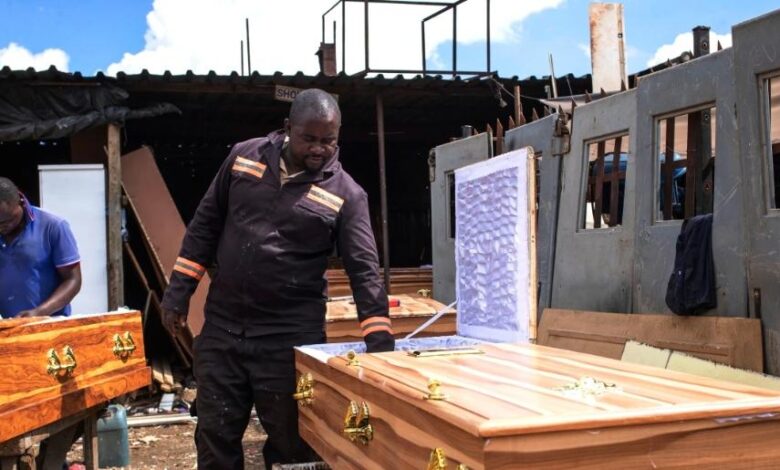
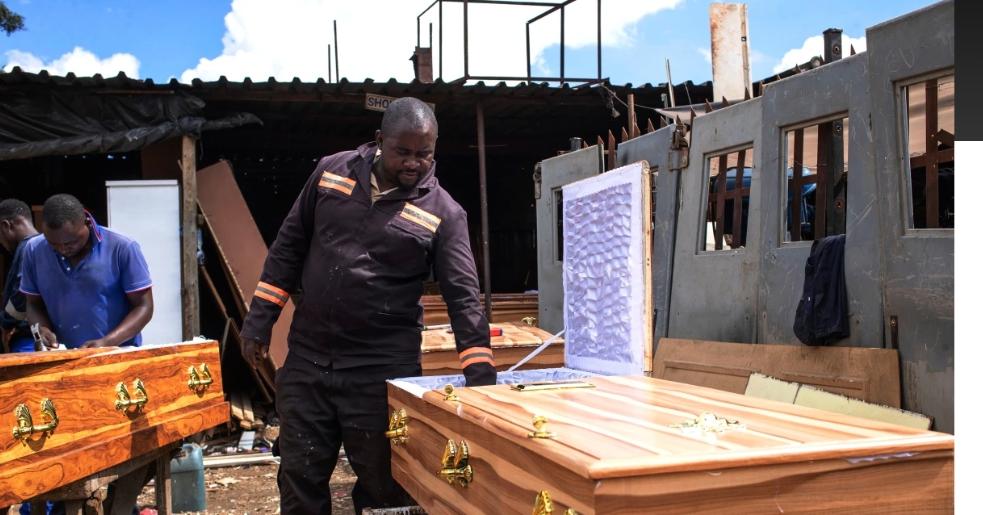
Funerals in Zimbabwe are considered socially significant and expensive occasions, requiring rituals that include providing food, music, and organizing large gatherings. This places a significant financial burden on families, leading many to resort to borrowing to avoid the social embarrassment associated with not being able to hold a proper funeral.
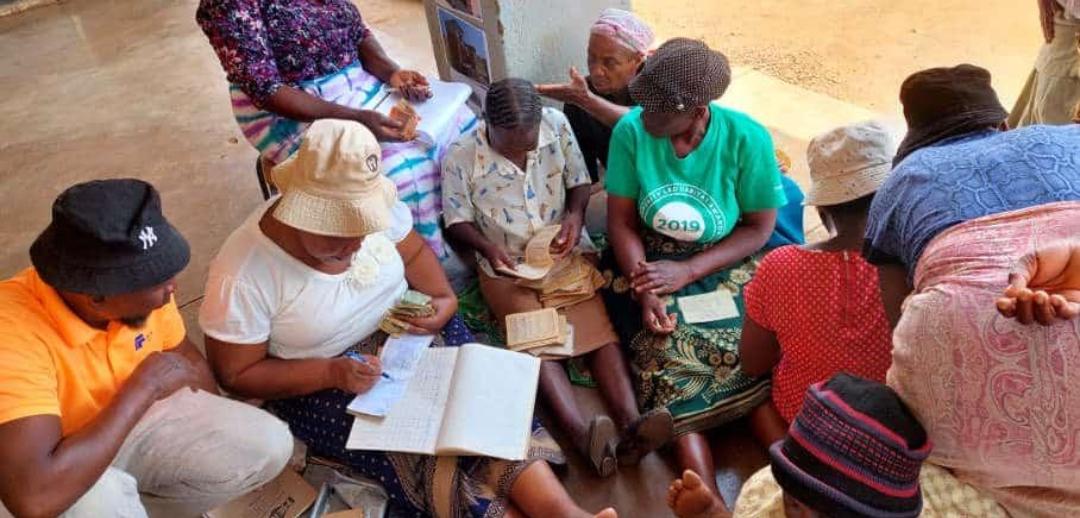
How funeral societies in Zimbabwe became a source of funding and support for neighborhoods
In this context, burial associations have emerged as an important community alternative, especially in a country where more than two-thirds of the population relies on the informal sector, with limited access to loans and traditional banking services.
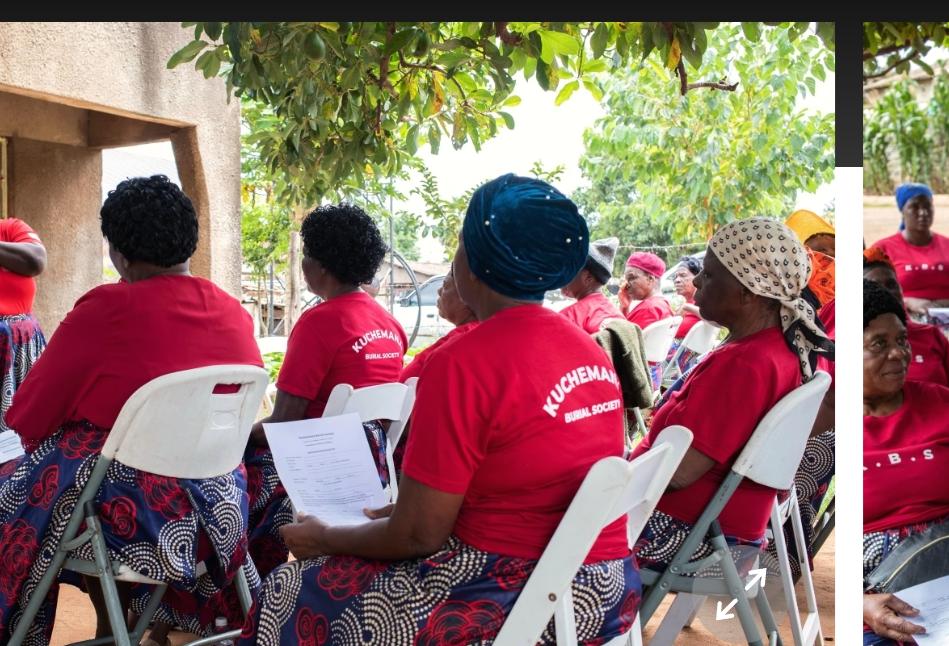
The “Kuchemana Burial Society” in the capital, Harare, is a prime example of this transformation, as its activities are no longer limited to supporting funerals but have expanded to include collective savings programs and small economic initiatives for its members.
The association has about 40 members ranging in age from 23 to 72. Each member pays a symbolic monthly subscription, and in return, they receive financial support upon death, as well as food assistance and funeral arrangement services.
As the association's role evolved, it launched an additional savings system that allows members to borrow to finance various needs such as education, treatment, or starting small projects, with loans to be repaid at a specified interest rate. Profits are distributed to members annually.
Members of the association point out that this system has helped some of them create small businesses, such as selling gas or simple commercial activities, which has provided a stable source of income in light of declining formal employment opportunities.
The roots of these associations in Zimbabwe date back to the early 20th century, when they were founded by migrant workers to ensure dignified burials in communities far from their homelands, before gradually transforming into part of the social welfare system.
With the low penetration of health insurance and high cost of living, these associations have become more prevalent in daily life, not only as a death insurance network but also as a tool for economic and social support for neighborhoods.
The organizers of these associations affirm that their strength lies not only in financial support but also in fostering a spirit of solidarity and belonging among members, which has enabled them to persist and adapt to the country's economic and social changes.