Tire manufacturing.. Why is China investing heavily in Morocco and Egypt?
By establishing their presence in these two countries, Chinese companies are opting for stability, which ensures reliable production continuity.
Written by: Ayman Ragab
On July 1st, the Egyptian government announced that Zenith Steel Group, a subsidiary of Chinese giant Zhongtian, signed an agreement with the Suez Canal Economic Zone (SCZone) to establish a factory for the production of automotive frame components and steel wires, according to a statement from the office of the Egyptian Prime Minister.
This announcement comes in addition to other projects implemented by Chinese groups to consolidate their presence in the Egyptian tire sector over the past two years. These projects follow a period of the first such projects undertaken by Chinese groups in Morocco, a sector that has become a competitive arena for Asian companies expanding their international growth strategies, particularly in the most attractive North African countries.
It is perfectly logical for Morocco and Egypt to become ideal destinations for establishing companies in the tire sector (tires and components) from Asian countries.
Gradual decline as a result of intense international competition
In Morocco, the tire market, which once included branches of American giants General Tyres and Goodyear, has experienced a gradual decline due to intense international competition, low-cost imports from Asia, and rising production costs. These factors have hampered the growth of the local tire industry and contributed to the bankruptcy of the American parent companies' branches. Since then, the Kingdom has stopped producing tires.
However, with the development of the Moroccan automotive industry after the establishment of Renault and Stellantis, the increase in production capacity to one million units, and the expansion of the local car market, the presence of tire units became a necessity.
Sentury Tire Co., a leading Chinese tire manufacturer, launched the first phase of its $300 million tire manufacturing plant project in October 2023 and simultaneously announced its intention to increase production capacity with an additional investment of $193 million, bringing the total to approximately $500 million.
The production of this unit will begin at the end of 2024, and once both lines are operational, it will have an annual production capacity of 12 million frames.
The Chinese group has established a factory on an area of 20 hectares in the Mohammed VI Tangier Tech New Economic Zone, 35 kilometers from the Tangier Med Port. This factory is Sentury Tire's third outside of China, following its factories in Thailand and Spain.
Investing approximately US$300 million
In January 2026, Guizhou Tire Group, a Chinese tire manufacturer specializing in radial tires for passenger cars and light commercial vehicles, announced an investment of approximately $300 million USD in a tire manufacturing plant in Morocco.
The annual production of this factory will reach 6 million semi-steel radial tires, using smart manufacturing technologies. Factory construction is expected to take two years.
This project is part of the Chinese company's international expansion, which has a presence in many markets and operates internationally under the Advance Tyre brand.
According to the business plan, once cruising speed is reached, this unit is expected to generate revenue of $182 million and an average annual profit of $40 million.
It should also be noted that the Shandong YongSheng Rubber Group began construction of its tire manufacturing plant on January 23, 2026, in the Betouya Industrial Acceleration Zone, located near the port of Nador West Med. The plant's production capacity is estimated at 18 million tires, making it the largest on the continent. Production will be primarily for export.
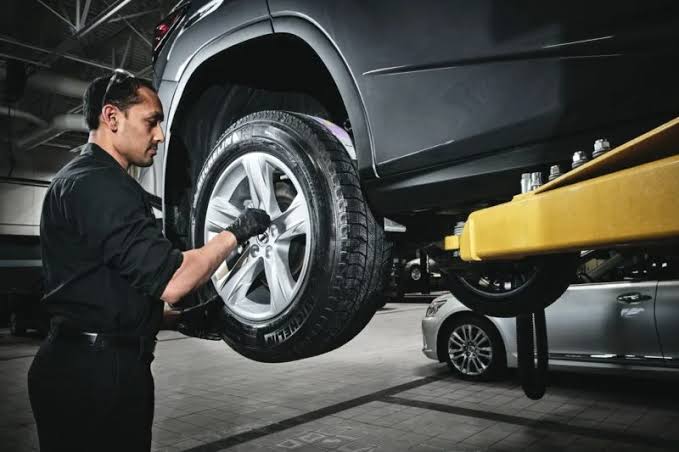
This project will require an investment of $740 million. The facility will cover an area of 52 hectares.
Manufacturing steel wires for tire edges
Another Chinese company, Shandong Daya, will invest in a production unit for tire components. This unit will specialize in manufacturing steel wires for tire beads and steel cables for tire production, with an annual production capacity of 200,000 tons. It will be installed in two phases.
China's Daya Company specializes in the research, development, production, and marketing of steel wires used in curtain rods, steel cables used in tires, and industrial pipe wires. The company supplies essential components for a wide range of tires, from passenger cars and trucks to construction equipment and even aircraft, according to
Through these investments, these groups aim to enrich their product range, improve their production capacities, accelerate their growth in international markets, and improve delivery times, according to LE360.
In Morocco, Asian groups in this sector are attracted by the industrial automotive platform, geographical proximity to Europe, availability of high-quality logistical infrastructure, a stable economic environment, reliable political governance, modern financial and logistical infrastructure, and a skilled workforce.
These factors are augmented by Morocco's geopolitical location at the crossroads of European, African, and American markets, which allows for reduced delivery times and thus lower logistical costs, and mitigates the impact of fluctuations in global supply chains.
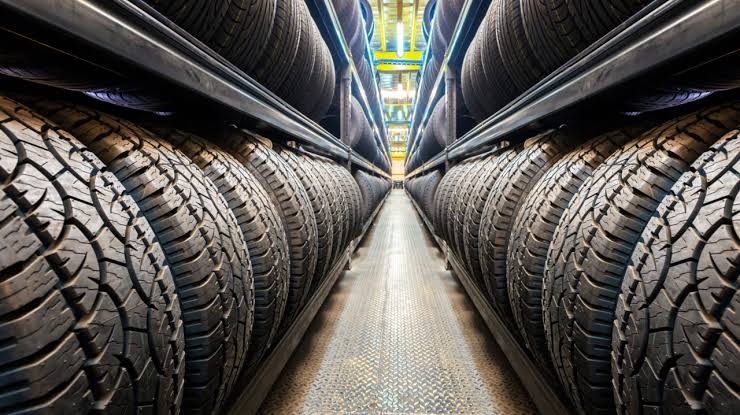
Finally, Morocco's other main asset is the growth of its automotive industry, which now has a combined production capacity of over one million vehicles annually, with actual production reaching 501,965 units.
Transforming North Africa into a hub for international expansion
After Asian giants in this sector began setting up tire manufacturing units in Morocco, they are now targeting Egypt with significant investments as well.
The arrival of the Zenith Steel Group at the beginning of this year confirms the desire of Asian tire giants to make North Africa a hub for their international expansion.
This project represents a $300 million investment to establish a tire component production unit. The annual production capacity of this unit will be 120,000 tons of steel wire used in tire manufacturing and 50,000 tons of wire used in tire bead manufacturing.
Consequently, the new Zenith Steel Group unit will supply manufacturers in the tire sector located in the SCZone with components, enhancing their localization rate by reducing imports and therefore outward foreign currency flows.
While a large portion of these components will supply tire production units installed or being installed in the country by Chinese producers, approximately 30% will be exported to the Middle Eastern, European, and American markets.
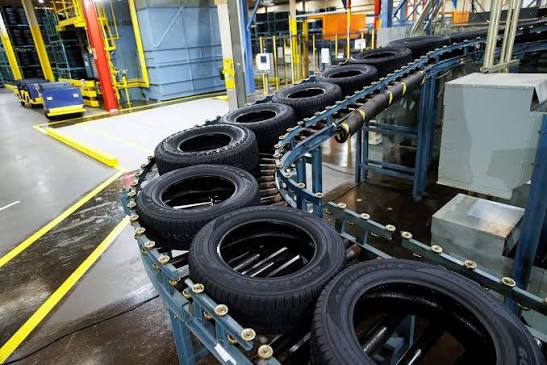
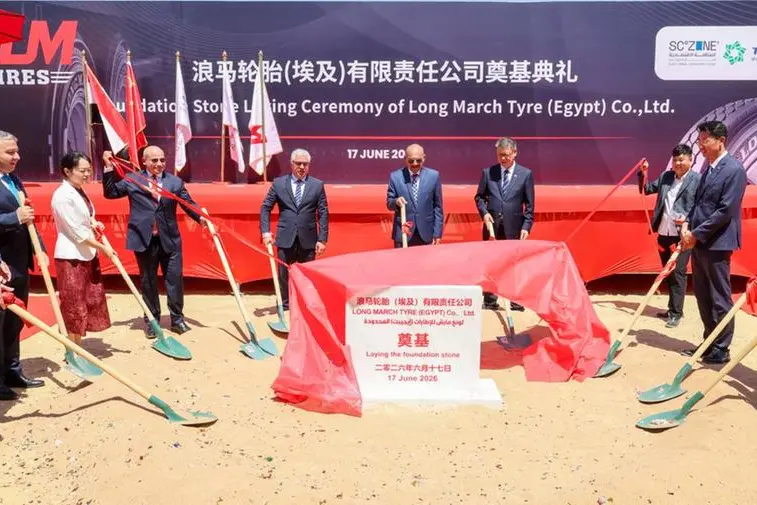
This investment is not an isolated case but rather part of a series of announcements regarding the establishment of Chinese companies with operations in Egypt. Last June, China National Tire & Rubber (CNTR), a subsidiary of the state-owned Sinochem Holdings and the largest shareholder in Pirelli and Aeolus Tyre, announced its intention to invest $550 million in a tire manufacturing project in Egypt. This giant Chinese company owns 24 factories in 13 countries worldwide and distributes its products in over 160 countries.
A few months prior, specifically in April, another Chinese group, Shandong Linglong Tyre Co., announced its intention to invest $2 billion in a car and truck tire factory in Egypt. This massive factory will supply the Egyptian market, as well as markets in the Middle East and the United States.
Building a car tire factory with an investment of one billion dollars in the Suez Canal Economic Zone
Last year, in August 2025, the Cyllene Group signed an agreement to build a car tire factory with an investment of $1 billion in the Suez Canal Economic Zone.
There is no doubt that these investments will positively impact the Egyptian economy. Through them, Cairo aims to become a hub for tire manufacturing, alongside the development and diversification of its industrial sector. Furthermore, exporting components and tires contributes to diversifying Egypt's exports and increasing its foreign currency revenues.
Finally, by producing tire components and tires domestically, Egypt is working to increase the level of integration in its automotive sector, which it aims to raise to 60%.
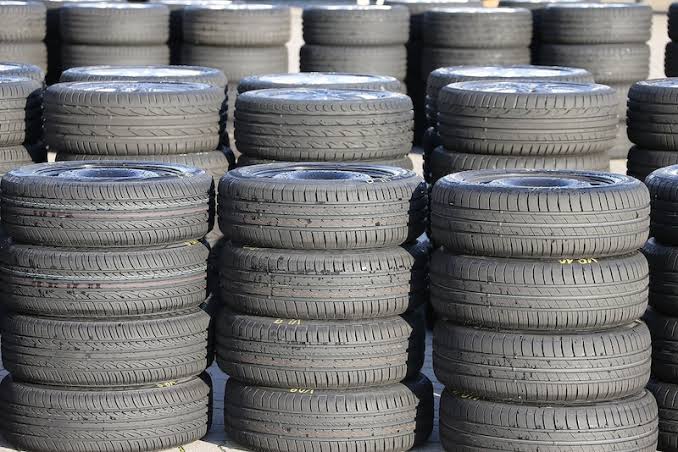
For Chinese companies, having a presence in Egypt offers numerous advantages. By establishing their operations in the Suez Canal Economic Zone, these companies benefit from tax incentives and other advantages granted there.
These Chinese companies benefit from a vast domestic market in Egypt. Furthermore, by establishing a presence in the Special Economic Zone, these companies gain access to key markets in the Middle East, Europe, and Africa, and even the Americas, thanks to the Suez Canal, through which approximately 30% of global container traffic passes, thereby reducing shipping and delivery times.
By increasing their presence in these two North African countries, Chinese companies aim to secure access to end markets, particularly those of the European Union and the United States, while circumventing certain trade barriers.
Chinese operators are taking advantage of the customs benefits provided for in the free trade agreements signed between these two countries with other regional blocs: the European Union (Egypt and Morocco), the United States (Morocco), Mercosur (Egypt), Arab countries under the Agadir Agreement, and the African Continental Free Trade Area Agreement.
Easier access to multiple markets
Thanks to these free trade agreements, and other bilateral trade agreements signed between the two countries with third countries, components and frameworks produced in Egypt and Morocco will be able to more easily access numerous markets. This allows Chinese companies an indirect opportunity to access many markets without customs restrictions.
Through production in Egypt or Morocco, these Asian operators benefit from lower production costs thanks to the numerous incentives granted to investors, particularly at the level of dedicated industrial zones, and lower labor costs, especially in Egypt.
Finally, by establishing a presence in these two countries, Chinese companies are choosing stability, which ensures reliable continuity of production.