
Tunisia on the Global Investment Map: Promising Sectors Attracting Foreign Capital
Expectations of a rise in foreign investments to 4 billion dinars
Written by: Mohammed Omran
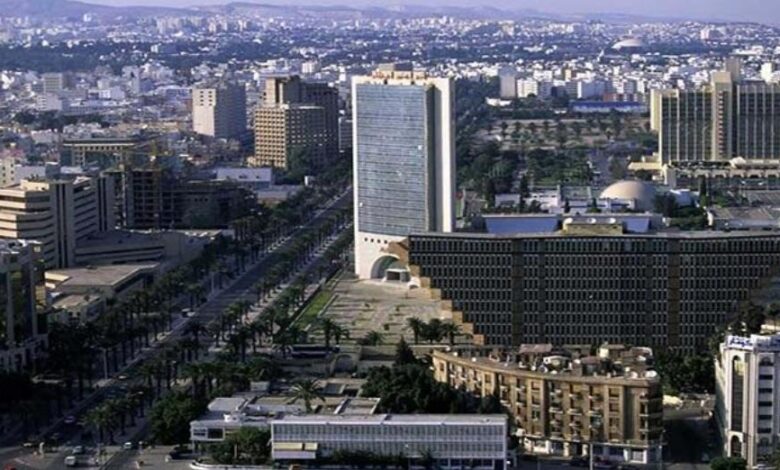
Tunisia continues to strengthen its efforts to attract foreign investment through a strategy aimed at supporting economic growth, creating jobs, and enhancing competitiveness. This is achieved by focusing on high value-added sectors, leveraging its strategic geographical location near Europe, and its network of trade agreements with numerous markets.
Tunisia on the Global Investment Map: Promising Sectors Attracting Foreign Capital
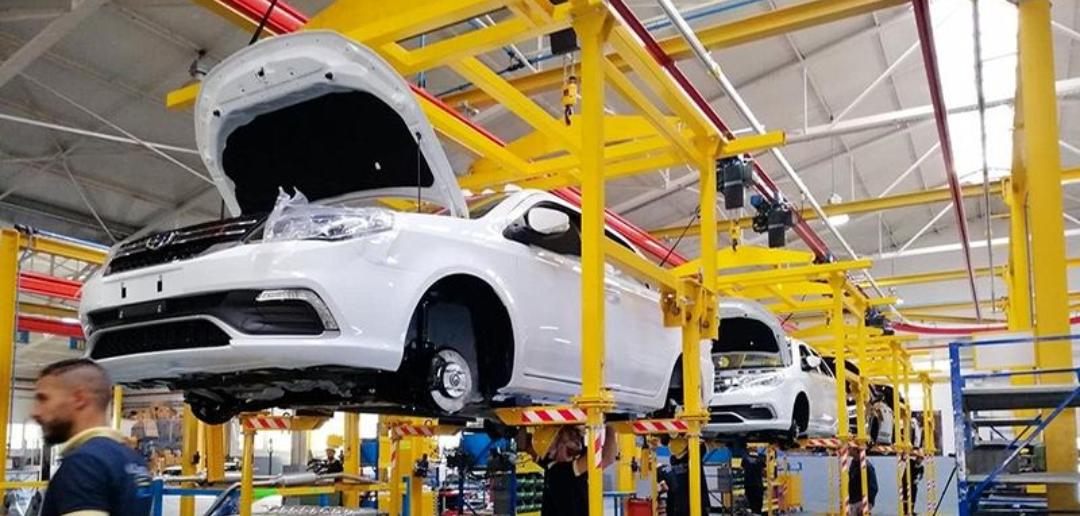
The mechanical and electrical industries top the list of sectors attracting investment, accounting for approximately 50% of industrial exports, led by the automotive and aircraft components industries, thanks to their integration into European supply chains, the availability of a skilled workforce, and an advanced industrial infrastructure.
As the ICT sector witnesses rapid growth, comprising over 1800 companies, supported by an integrated startup ecosystem and government programs to encourage innovation and digital transformation, this has strengthened Tunisia's position as a destination for investments in software and digital services.
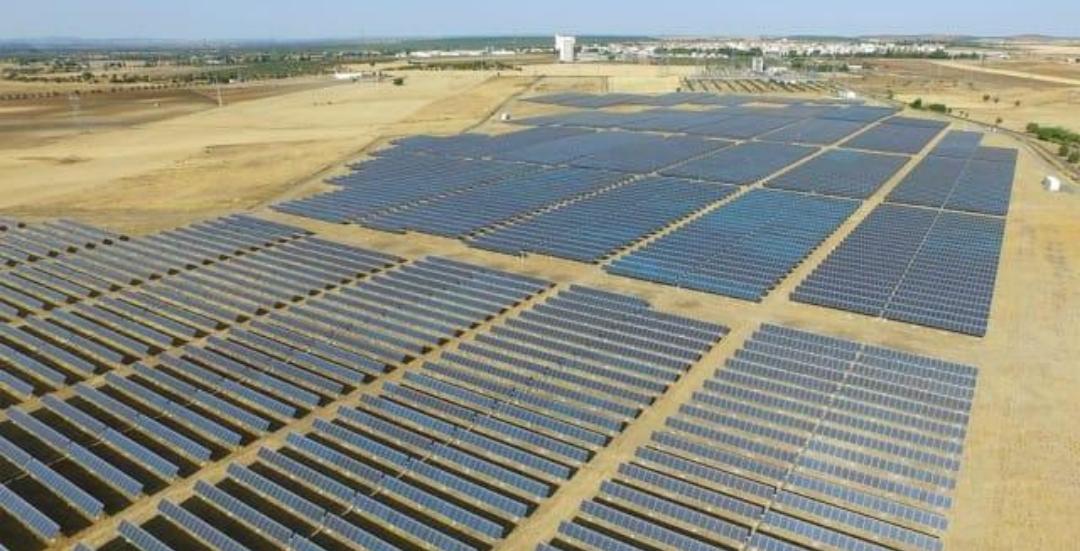
In the energy sector, the government is expanding its investments in renewable energy projects, particularly solar and wind power, as part of a plan aimed at increasing the share of renewable energy to 30% of electricity production by 2030.
The pharmaceutical industry stands out among the promising sectors, as local factories cover about 70% of the Tunisian market’s needs, with growing opportunities for exports to African markets, alongside the food industry, which accounts for nearly 10% of Tunisia’s total exports, benefiting from the development of the agri-processing sector.
The aircraft components manufacturing sector is experiencing growing interest, with over 80 companies operating within global supply chains, while the technical textiles and apparel sector continues its strong performance, providing over 150,000 job opportunities, with continued European demand for Tunisian products.
In this context, the Director General of the Foreign Investment Promotion Agency, Jalal Laabidi, expects security developments in the Middle East to enhance Tunisia's position as an attractive investment destination, and perhaps as a ”strategic haven” for foreign investors looking to access European markets.
He explained in an interview with the Tunisian News Agency (TAP) that Tunisia's proximity to Europe gives it a competitive advantage, which has led investors from Southeast Asia and Eastern Europe to intensify their exploratory visits, expressing a genuine desire to localize their projects within the country to bring supply chains closer to European consumers.
Regarding the repercussions of regional tensions on the energy sector, the Secretary of State for Energy Transition, Wael Chouchan, affirmed the government's readiness to take the necessary financial and logistical measures to confront any rise in global oil prices, thereby ensuring the stability of the investment climate.
Tunisia recorded investment inflows exceeding 3.5 billion dinars by the end of last year, with expectations to reach 4 billion dinars during the current year, driven by the attractiveness of the industrial sector and the expansion of renewable energy projects.
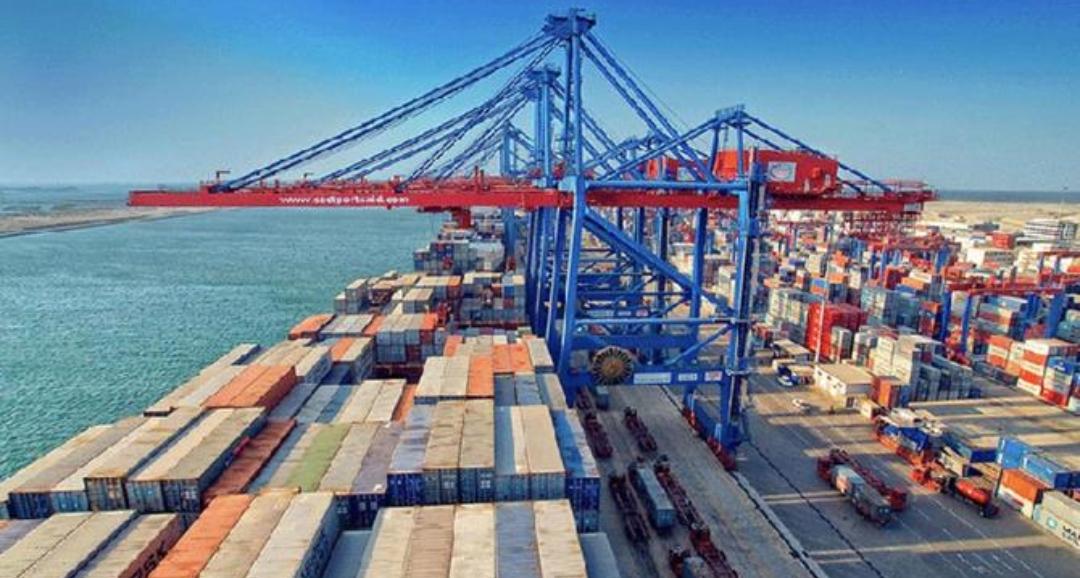
France, Germany, and Italy continue to top the list of foreign investors in Tunisia, alongside new investors seeking a business environment that offers logistical efficiency and rapid access to global markets, thereby enhancing the contribution of foreign investment to the national economy.
In the framework of improving the business climate, Tunisian authorities are working to update investment legislation, simplify and digitize administrative procedures, and offer legal, financial, and tax incentives. This is in addition to launching a national investment map that highlights the competitive advantages of each region, with the aim of directing investments towards the most promising sectors and strengthening Tunisia's integration into global value chains.




 Arabic
  English
  French