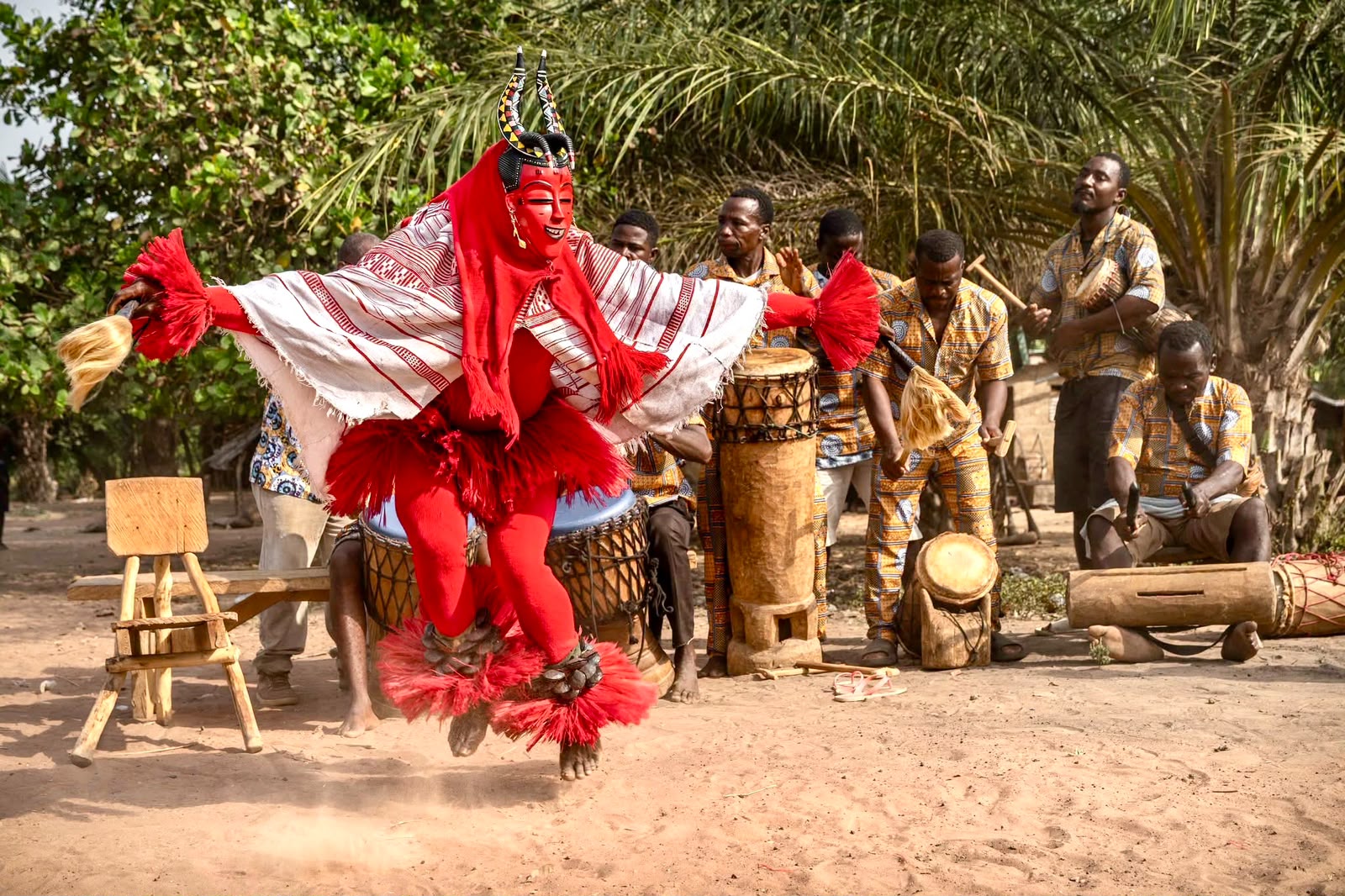
Zuli dance: Ivory Coast heritage embodies beauty and cultural identity
Ahmed Salem
The “Zouli” dance is one of the most prominent traditional arts in Ivory Coast, originating among the Goro people in the central-western region of the country, and has become a symbol of cultural identity and folk heritage passed down through generations.
The dance is performed during many social and celebratory occasions, such as weddings, funerals and community celebrations, as it represents an integral part of local traditions that combine art and social rituals.
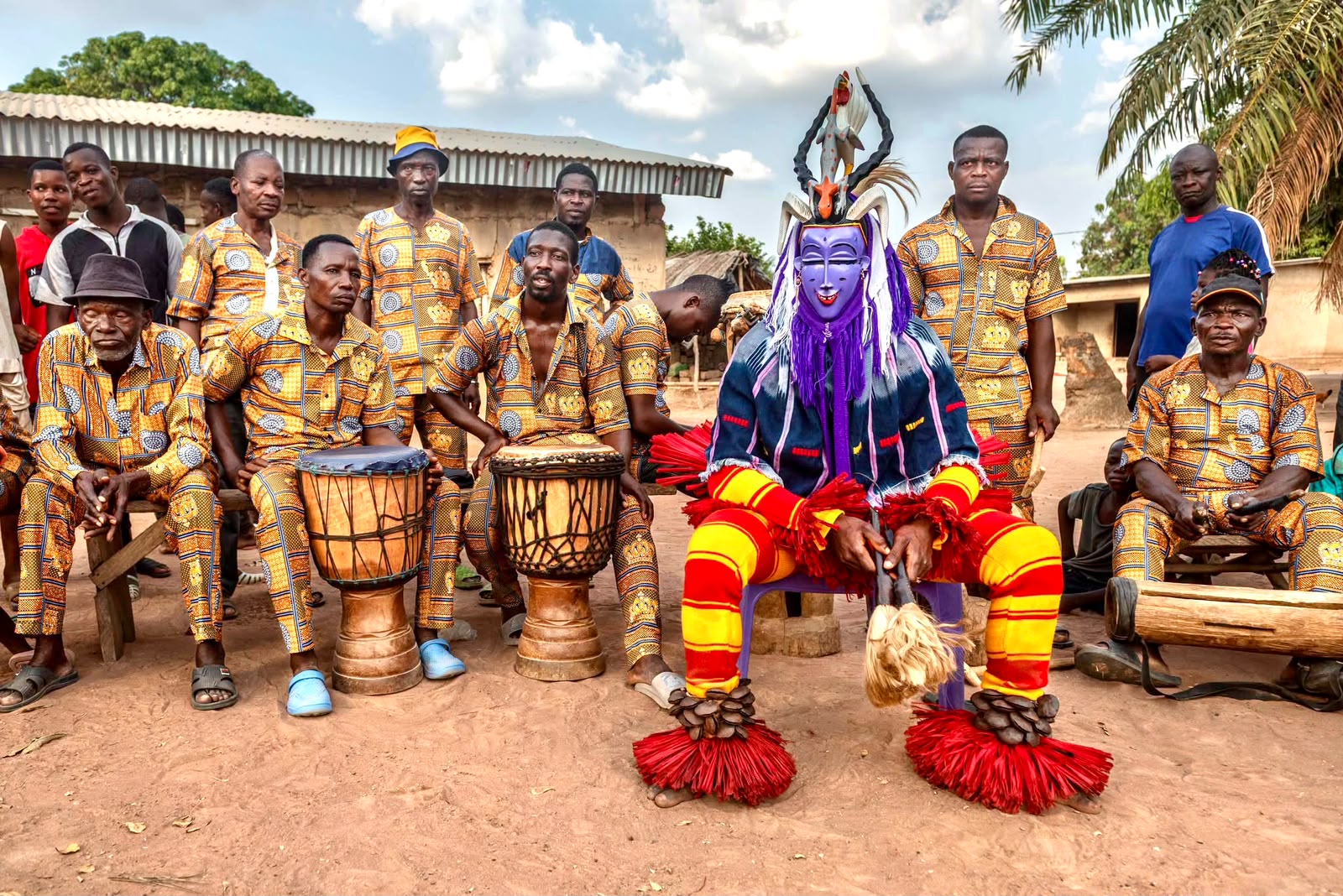
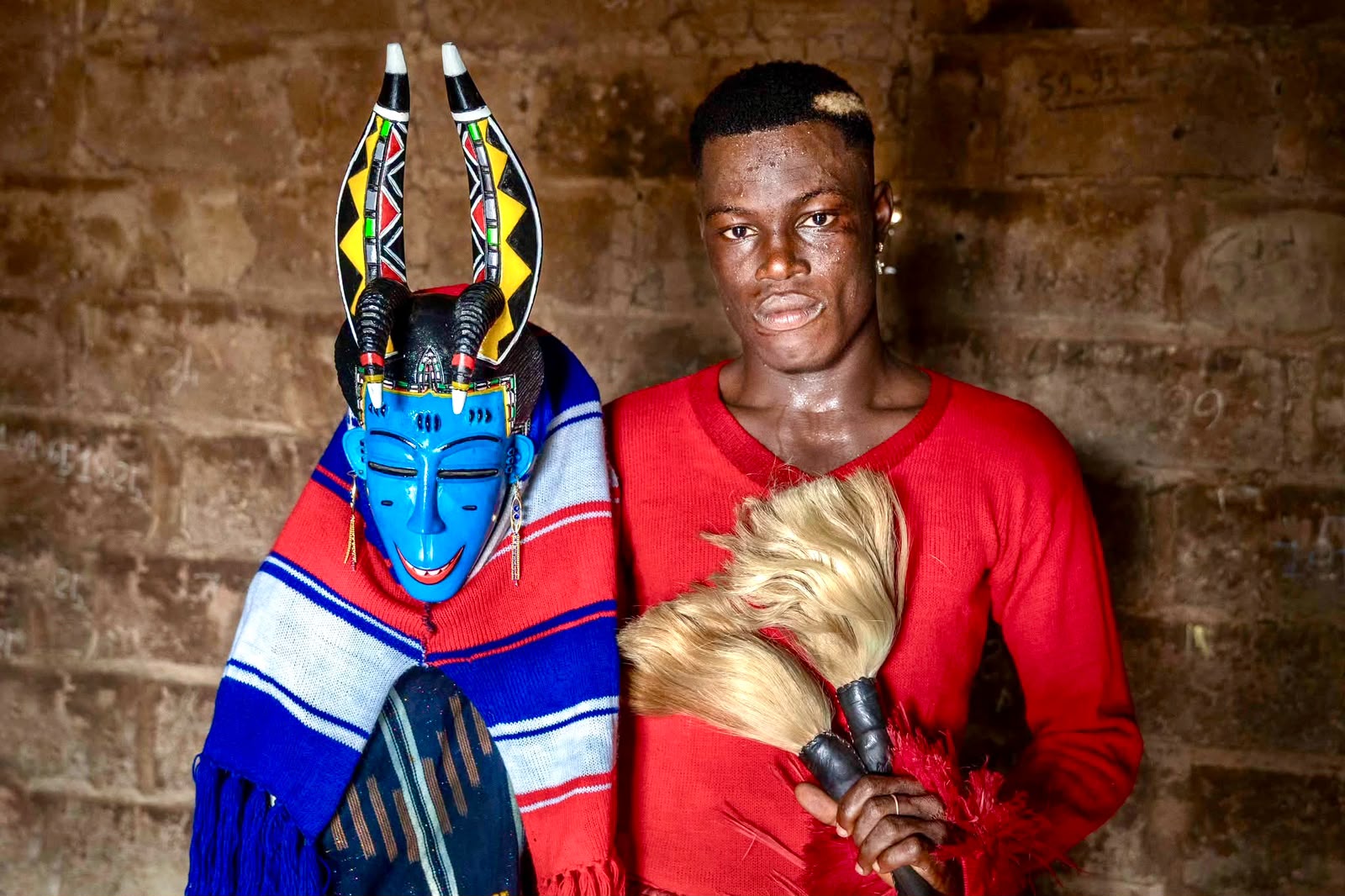
The Zuli dance is distinguished by its use of an intricately crafted wooden mask depicting a beautiful girl known as the "Zuli," renowned for its meticulous details, particularly the carefully carved headdress symbolizing beauty and femininity. The dancer, usually a man, wears a traditional costume adorned with colorful fabrics, beads, and accessories, completing the artistic spectacle of the performance.
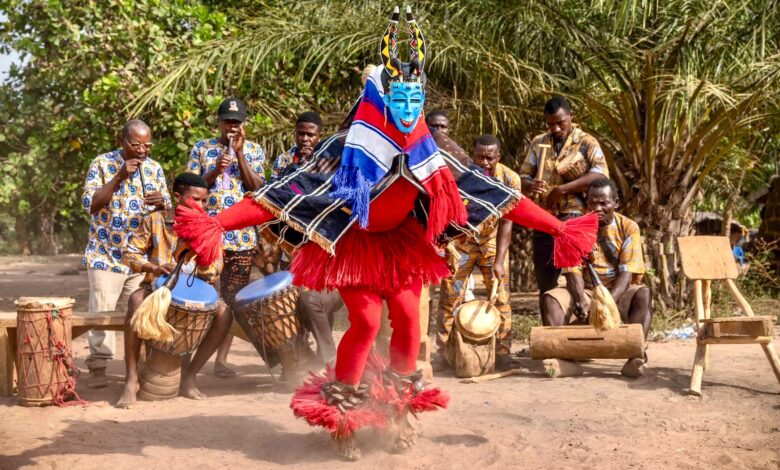
The dance is accompanied by traditional music based on drums and local percussion instruments, while the dancer performs a series of graceful movements, turns, and precise gestures that require a great deal of skill, agility, and balance.
The importance of the Zuli dance is not limited to it being an artistic performance, but it carries cultural, social and spiritual connotations, as it may embody concepts of beauty and femininity, or evoke stories from the folk heritage of the Guru people, and it may be associated with rituals and occasions with symbolic dimensions according to the context in which it is performed.
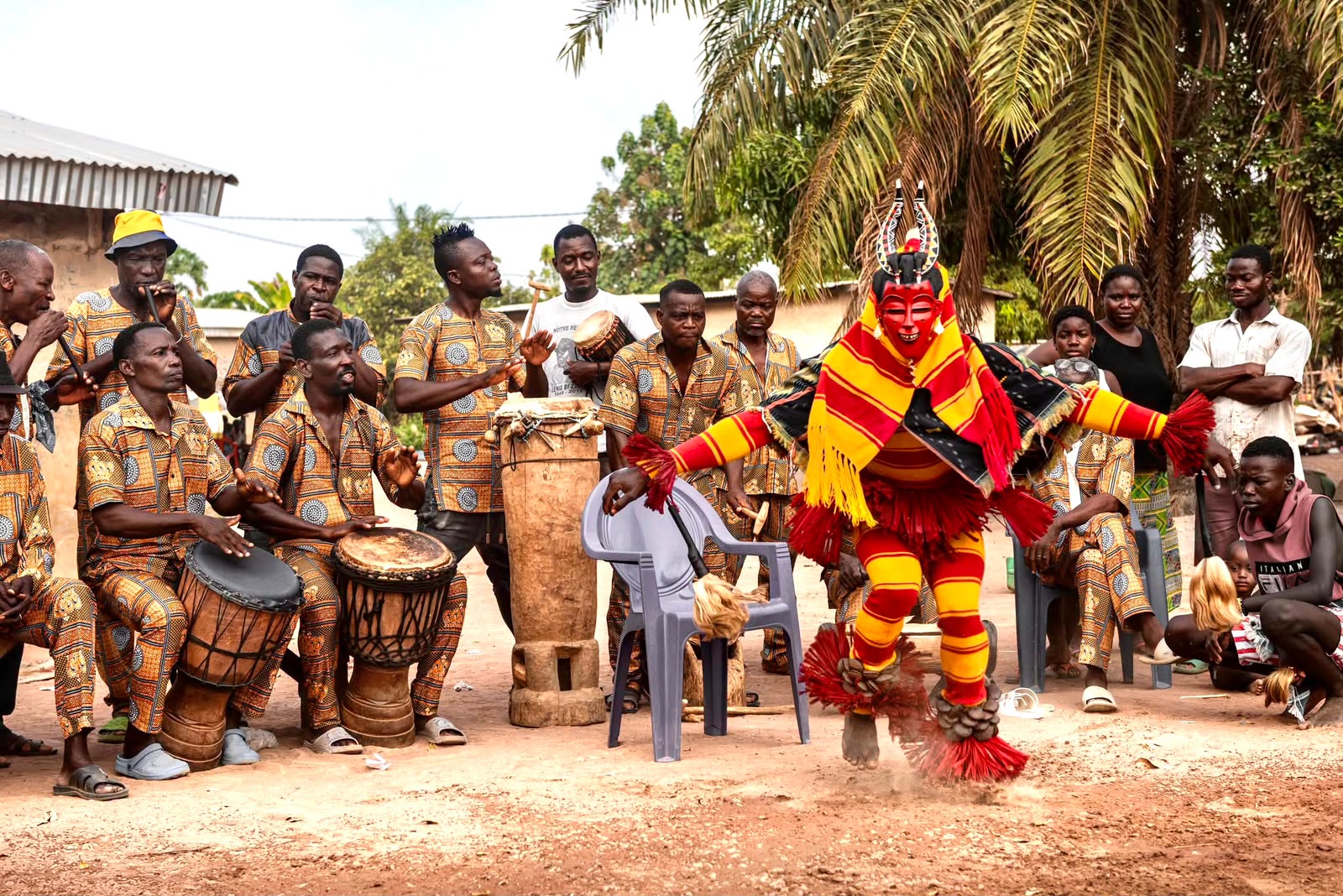
The Zuli dance remains one of the most prominent expressions of cultural heritage in Ivory Coast, and a source of pride and honor for the Goro people, as it reflects a rich history and deeply rooted cultural values in Ivorian society.