The European Union announces the success of strategic partnership agreements with Ghana through 2026.
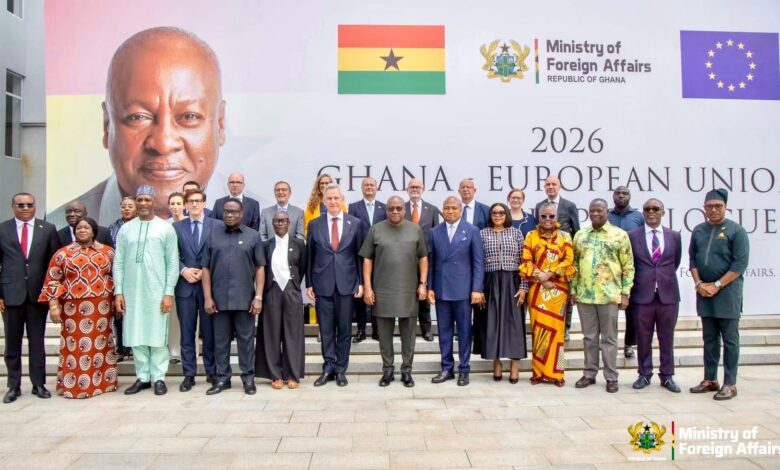
The European Union announced the signing of a number of strategic partnership agreements with Ghana in multiple vital sectors, confirming that the 2026 Partnership Dialogue was a resounding success.
The European Union said in a statement: As Ghana's largest trading partner, we are expanding the scope of our cooperation to better align with the priorities of the Ghanaian government.
Ghana expresses its happiness at being the first African country to sign a number of strategic partnership agreements with the European Union in several vital sectors.
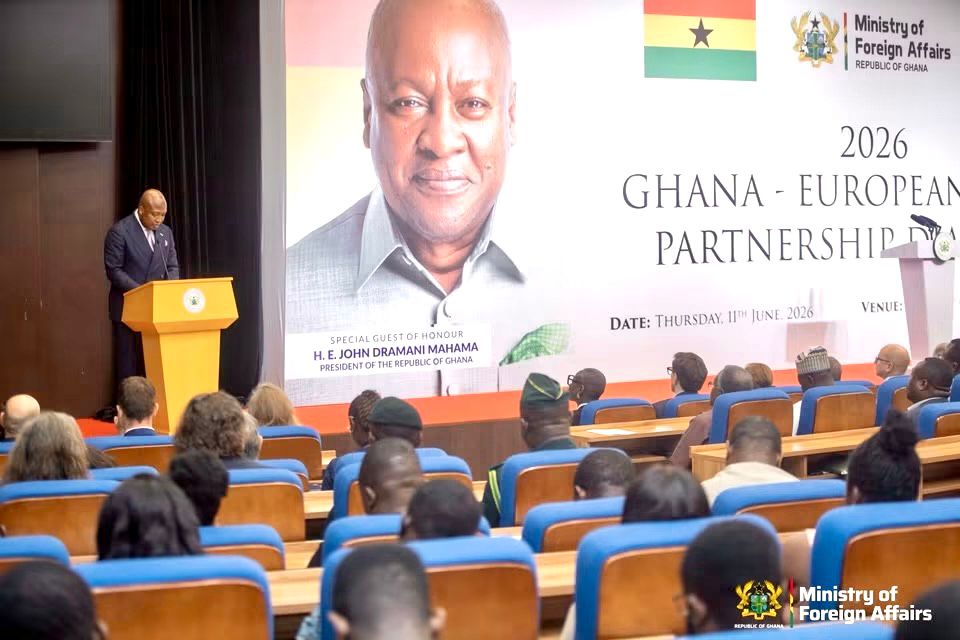
The Ministry of Foreign Affairs also expresses its admiration for the tangible results achieved by the new comprehensive project database and innovative coordination mechanism, in terms of enhancing efficiency and creating a positive impact across all 16 regions of Ghana.
Ghana's focus is on trade, not aid; value addition, not exporting raw materials; health sovereignty supported by the “Accra Reset Agenda”; and partnerships based on mutual benefit.
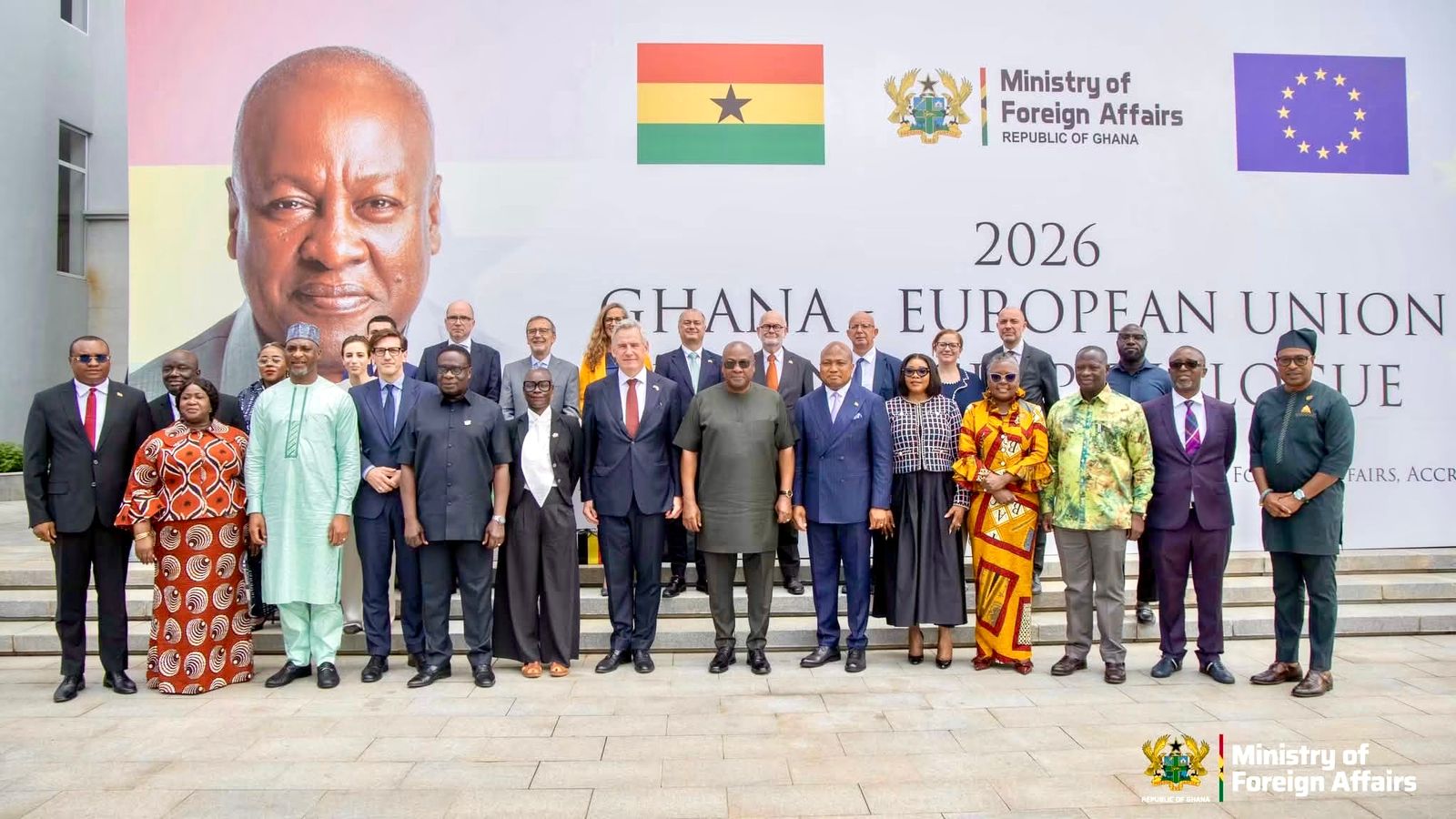
The European Union also thanked President John Dramani Mahama, President of the Republic of Ghana, for opening the partnership dialogue; as he is the only Ghanaian president to open the annual dialogue between Ghana and the European Union twice since his second presidential term began.
Ghana inflation rises in June
Ghana’s annual inflation rate rose to 5.3% in June 2026, compared to 3.7% in May, reaching its highest level since last December, driven by persistently rising fuel prices and the resulting increase in transportation, housing, and service costs.
This rise comes at a time when the Ghanaian government is seeking to maintain its economic recovery path, despite the pressures imposed by global energy market disruptions and rising import costs.
The Ghana Statistical Service explained that the increase in inflation was mainly due to rising prices of non-food goods and services, primarily transportation, rent, and education fees, while food prices also recorded a limited increase compared to the previous month.
Analysts believe that the continued rise in fuel prices has directly reflected on the cost of transporting goods and passengers, leading to an increase in the prices of a number of goods and services across the country.
Despite the recent increase, the current inflation rate remains well below its level in June 2025, when it stood at 13.7%, reflecting the relative improvement the Ghanaian economy has achieved in recent months thanks to currency stability and government measures to curb inflationary pressures.
Economists confirm that this rise does not mean a return to the high inflation wave that the country witnessed in previous years, but it indicates the continued impact of global fluctuations on the economy, especially in the energy sector.