The Dan people: an African community that preserves its traditions and tells the story of a migration from Israel
It preserves an oral heritage that tells of a long migration journey from Israel.
Written by: Mohammed Omran
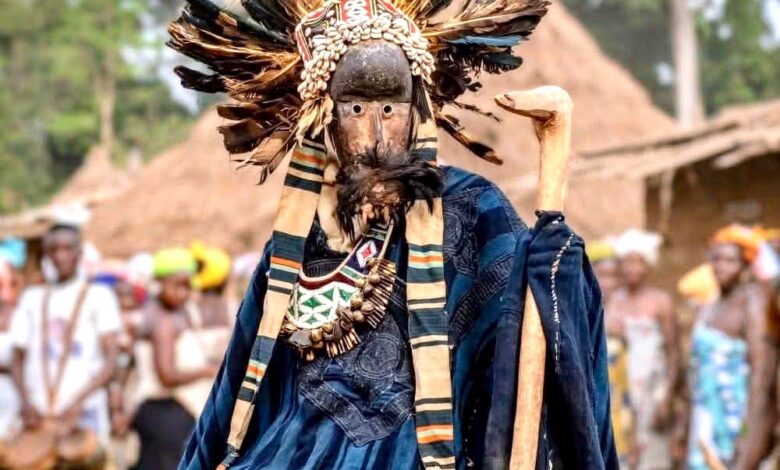
The Dan people, also known as the Yakouba, are one of the most prominent ethnic groups inhabiting the mountainous regions of western Côte d'Ivoire, the historical area considered their ancestral homeland. The Dan maintain a transmitted oral tradition that asserts their ancestors originated from Israel and that they arrived in West Africa after a long migration that spanned successive generations and crossed many borders.
The Dan people of Côte d'Ivoire discovered... African community holding onto a narrative tracing its origins to Israel
During the 17th and 18th centuries, the Dan people settled in the Man mountains, before moving to the Danané and Toulepleu regions, then crossing the current borders into Liberia, where they are known there as Gio or Gieh.
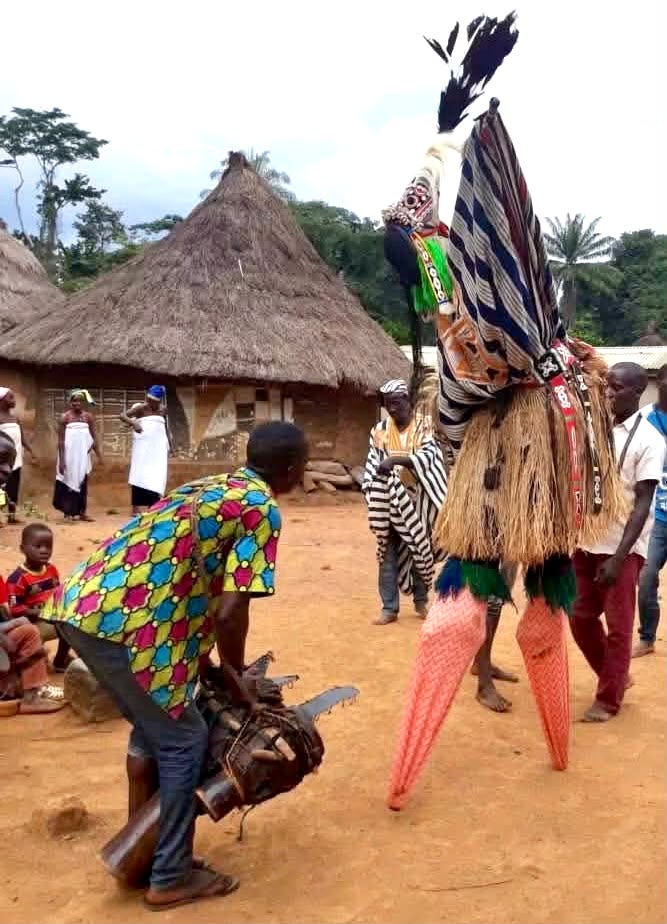
With their establishment in dense forests, the Dan developed a cohesive social system aimed at protecting the community and maintaining its unity and cohesion. This system is based on a clear hierarchy starting with the family, then the clan, then the lineage, then the tribe, then the alliance confederation, and finally the war confederation.
Each level has recognized leadership based on specific criteria, such as age, wisdom, bravery in combat, or economic status. The head of the family and the village chief are the most important figures, as they are the guarantors of order and social cohesion within the community.
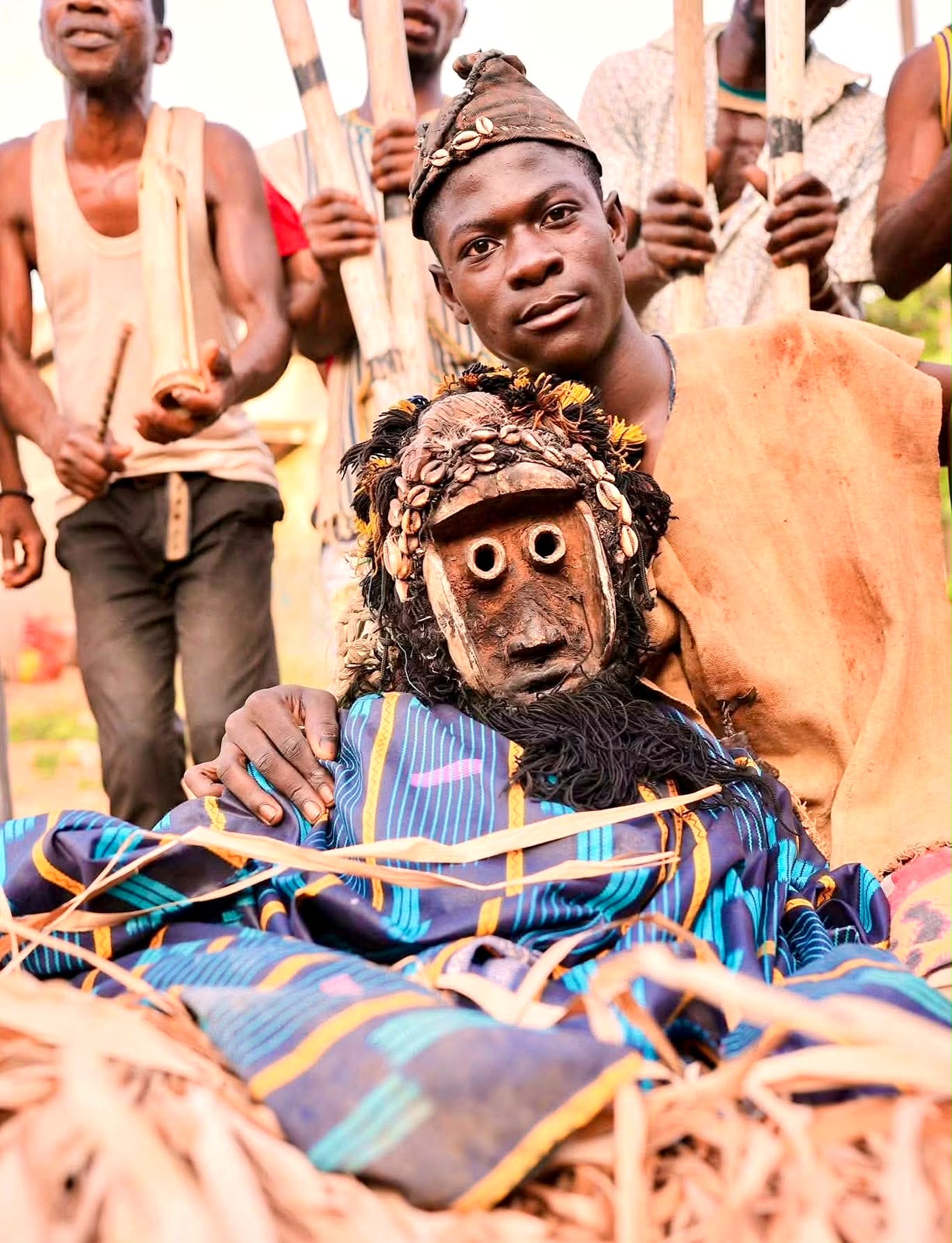
The authority of the Dan people is not limited to human leaders but also extends to the spiritual realm, where traditional masks hold an exceptional status, as they are believed to embody spirits or invisible forces. The function of these masks is not confined to religious rituals; they serve multiple roles. Some are responsible for establishing justice or imposing punishments, some accompany warriors during wars, while other masks are used for entertainment or to help maintain public order.
The masks vary between short and long, in addition to masks that emit distinct sounds and are only allowed to be seen by those new to traditional rituals. Each has a specific function, while their appearance is considered a majestic moment where the visible world meets the invisible world.
This traditional system is overseen by the “Go” society, a male entity responsible for managing the world of masks and preserving its secrets. It also acts as an intermediary between human and spiritual authority, ensuring the application of traditional justice and the harmony of the community without resorting to violence.
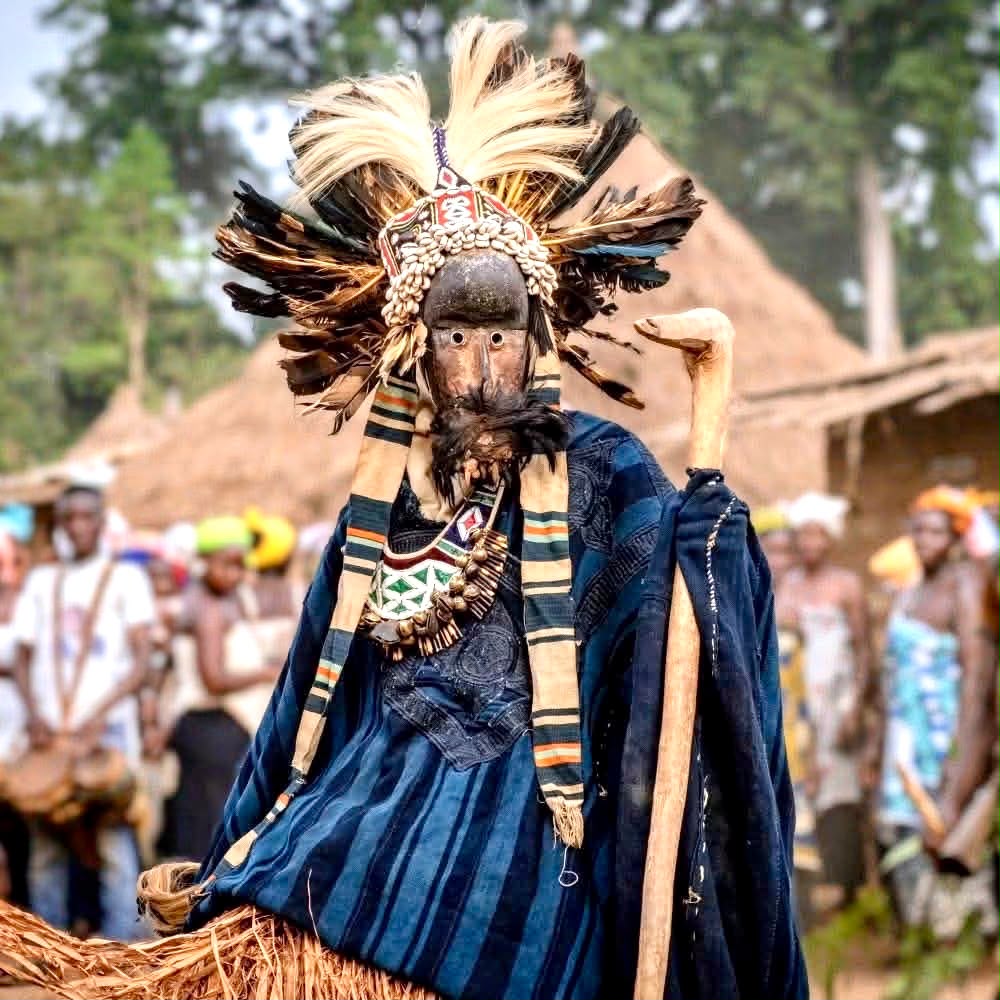
The Dogon system of governance is characterized by a decentralization of power, with roles distributed among chiefs who embody human authority, masks representing the voices of spirits or unseen forces, and the “Jo” society which serves as a liaison and mediator between the two.
This diversity of power centers, according to the cultural heritage of the Dan people, confirms that the strength of the community is not based on division, but on the integration of traditional authority, social organization, and the spiritual dimension, which has contributed to preserving the identity and stability of this people across generations.
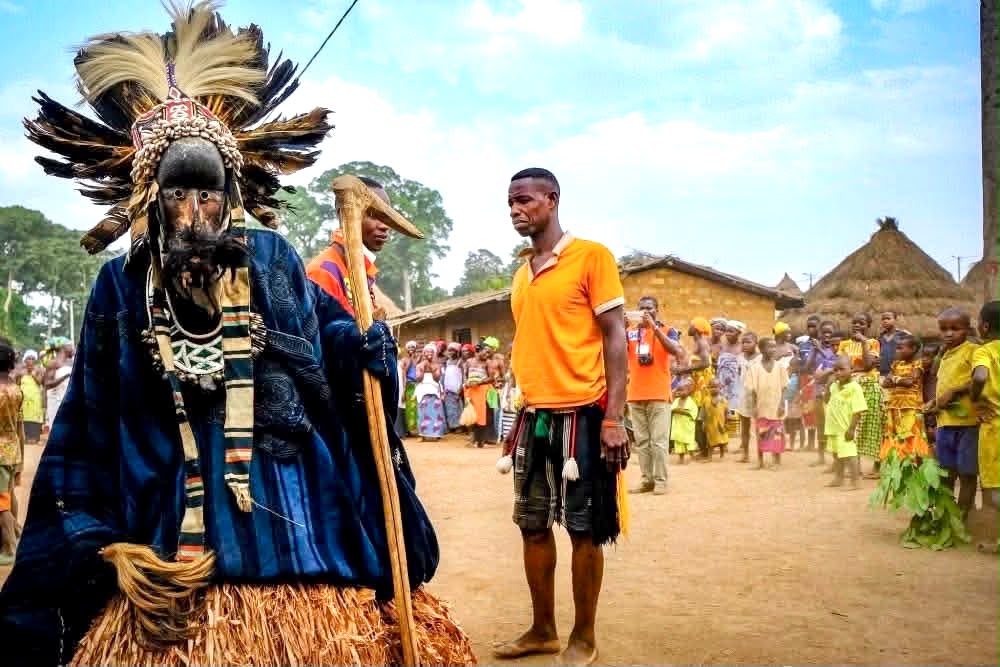
The story of the Dan people reflects a facet of Côte d'Ivoire's cultural richness, as each ethnic group possesses its own system that combines power, spirituality, and social organization, thereby strengthening cultural identity and preserving inherited traditions.